


- Bestsellers
- Alcoholism
- Allergy
- Alzheimers
- Anti Fungal
- Anti Viral
- Anti-Depressants
- Anti-Inflammatory
- Antibacterial
- Antibiotics
- Antiparasitic
- Arthritis
- Asthma
- Birth Control
- Blood Pressure
- COVID-19
- Cancer
- Cardiovascular
- Cholesterol
- Diabetes
- Diuretics
- Erectile Dysfunction
- Eye Drop
- Gastro Health
- General Health
- HIV
- Hair Loss
- Hepatitis C Virus (HCV)
- Herbals
- Hormones
- Men's ED Packs
- Men's Health
- Mental Illness
- Motion Sickness
- Muscle Relaxant
- Pain Relief
- Parkinson’s Disease
- Quit Smoking
- Skin Care
- Sleeping Aids
- Veterinary Medicines
- Vitamins
- Weight Loss
- Women's Health
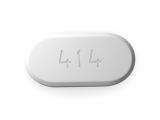
Generic Ezetimibe

Ezetimibe
| Active ingredient | Ezetimibe |
|---|---|
| Mechanism of action | Inhibits NPC1L1 protein, reducing intestinal absorption of cholesterol |
| Common dose | 10 mg once daily (often combined with a statin) |
| What is it used for? | To lower LDL-cholesterol in patients with hypercholesterolemia or mixed dyslipidemia, and to reduce cardiovascular risk |
| Important information on taking | Take the tablet whole; can be taken with or without food; do not crush or chew |
| Common side effects | Diarrhea, fatigue, abdominal pain, headache |
| Serious risks | Myopathy, liver enzyme elevations, acute kidney injury |
| Interactions | May increase exposure to statins (e.g., simvastatin, lovastatin) and bile-acid sequestrants; monitor for additive cholesterol-lowering effects |
| Contraindications | Hypersensitivity to ezetimibe or any component of the formulation; severe hepatic impairment |
| Legal status | Prescription-only medication in most jurisdictions |
Exploring the basics of Ezetimibe
Definition, therapeutic role, and mechanism of action of Ezetimibe
Ezetimibe is a cholesterol absorption inhibitor that reduces the amount of dietary cholesterol taken up by the intestines. It is used to treat high blood cholesterol as an adjunct to diet and other lipid-lowering therapies. The drug works by blocking the npc1l1 transporter on the brush border of enterocytes, preventing cholesterol from entering absorptive cells. This inhibition lowers circulating low-density lipoprotein cholesterol and reduces the risk of atherosclerotic plaque formation. The active metabolite of Ezetimibe modulates intracellular cholesterol trafficking, which leads to increased hepatic ldl receptor expression and enhanced clearance of ldl particles from the bloodstream. Through these actions the medication helps maintain healthier lipid levels without significantly affecting the absorption of other nutrients.
Pharmacodynamics and pharmacological profile of Ezetimibe
Ezetimibe is a synthetic cholesterol absorption inhibitor used to lower plasma low-density lipoprotein cholesterol concentrations. It acts by blocking the niemann-pick c1-like 1 protein in the intestinal brush border, thereby reducing dietary cholesterol uptake. The inhibition leads to decreased delivery of dietary and biliary cholesterol to the liver, which in turn upregulates the expression of hepatic ldl receptors. Increased ldl receptor activity enhances the clearance of circulating ldl particles from the bloodstream. The downstream reduction in serum cholesterol stimulates the synthesis of bile acids and promotes the conversion of cholesterol into bile salts. By lowering circulating cholesterol, Ezetimibe contributes to a modest regression of atherosclerotic plaque and a decreased risk of cardiovascular events when combined with a statin. Its pharmacological profile is characterized by high specificity for the intestinal cholesterol transporter, minimal systemic absorption, and a long elimination half-life that permits once-daily dosing. Overall the drug achieves its therapeutic effect through targeted blockade of cholesterol uptake, resulting in lower circulating ldl cholesterol and improved cardiovascular outcomes.
When Ezetimibe is indicated
| Hypercholesterolemia | 10 mg once daily; long-term (usually lifelong) |
|---|---|
| Heterozygous familial hypercholesterolemia | 10 mg once daily; long-term (usually lifelong) |
| Homozygous familial hypercholesterolemia | 10 mg once daily; long-term (usually lifelong) |
The most common side effects
The most common side effects
The medication may cause mild headache in some users. Dizziness is reported by a noticeable minority. Nausea occasionally appears during the first few days. Fatigue can be experienced after prolonged use. Dry mouth is a frequent complaint among patients. Slight skin rash may develop in sensitive individuals. Insomnia sometimes occurs when taken later in the day. These effects are generally temporary and subside with continued treatment.
Things you should be aware of before using Ezetimibe
The most common side effects include mild headache fatigue and nausea. These reactions are usually temporary and resolve on their own. They often reflect the body's adjustment to new stimuli. Headaches are frequently reported across age groups. Fatigue may be accompanied by a sense of low energy. Nausea tends to be mild and infrequent. Overall these side effects are generally mild and short lived.
Common effects experienced with Ezetimibe
- Headache
- Diarrhea
- Fatigue
- Abdominal pain
- Arthralgia
Ezetimibe offers a valuable option for patients who need additional cholesterol-lowering power beyond statins, acting through a distinct mechanism that blocks intestinal absorption of dietary and biliary cholesterol. When used appropriately, it can modestly reduce ldl-c, triglycerides, and total cholesterol, helping to lower the risk of atherosclerotic cardiovascular events. However, its efficacy is maximized when combined with a heart-healthy diet, regular physical activity, and any prescribed lipid-lowering therapy. Patients should be reminded to take Ezetimibe consistently, usually once daily, and to never abruptly stop the medication without medical guidance. It is essential to monitor liver enzymes and renal function periodically, and to inform healthcare providers about any new medications or supplements that might interact with Ezetimibe. Finally, individuals with a history of liver disease, pregnancy, or lactation should discuss the risks and benefits with their clinician before initiating treatment.

 Royale Nichols, M.D.
: ABEM Certified, Emergency Medicine
Royale Nichols, M.D.
: ABEM Certified, Emergency Medicine
 David Scott Duffy, M.D.
: ABEM Certified, Emergency Medicine
David Scott Duffy, M.D.
: ABEM Certified, Emergency Medicine

 Mark Lewis Friedman, M.D.
: ABEM Certified, Emergency Medicine
Mark Lewis Friedman, M.D.
: ABEM Certified, Emergency Medicine
 Ashley Grant, D.O.
: ABEM Certified, Advanced Emergency Medicine Ultrasonography, Emergency Medicine, Focused Practice Designation, Ultrasonography, Ultrasound
Ashley Grant, D.O.
: ABEM Certified, Advanced Emergency Medicine Ultrasonography, Emergency Medicine, Focused Practice Designation, Ultrasonography, Ultrasound
 Adeel Saqib, M.D.
: ABEM Certified, Emergency Medicine
Adeel Saqib, M.D.
: ABEM Certified, Emergency Medicine
 David P. Bryant, D.O.
: ABEM Certified, Emergency Medicine
David P. Bryant, D.O.
: ABEM Certified, Emergency Medicine
 Gregory Wallingford, M.D.
: ABEM Certified, Certification, Emergency Medicine, Hospice, Palliative Care
Ashley Grant, D.O.
: ABEM Certified, Advanced Emergency Medicine Ultrasonography, Emergency Medicine, Focused Practice Designation, Ultrasonography, Ultrasound
Gregory Wallingford, M.D.
: ABEM Certified, Certification, Emergency Medicine, Hospice, Palliative Care
Ashley Grant, D.O.
: ABEM Certified, Advanced Emergency Medicine Ultrasonography, Emergency Medicine, Focused Practice Designation, Ultrasonography, Ultrasound
 Ryan J. Reece, MD, NRP, FACEP
: ABEM Certified, Addiction, Board Certification, DEA, Emergency Medical Services, Emergency Medicine, MyEMCert, opioids, Substance Use Disorder
Ryan J. Reece, MD, NRP, FACEP
: ABEM Certified, Addiction, Board Certification, DEA, Emergency Medical Services, Emergency Medicine, MyEMCert, opioids, Substance Use Disorder
 Tristen Burt, D.O.
: ABEM Certified, Emergency Medicine
Tristen Burt, D.O.
: ABEM Certified, Emergency Medicine


| Shipping method | Delivery time | Price | |
| Airmail service Delivery | 14-21 days | 14.95$ | Tracking# available in 4 days |
| Trackable service Delivery | 9-14 days | 30$ | Tracking# available in 2 days |
- Shipping worldwide
- Confidentiality and anonymity guarantee
- Safe and secure
- Discrete looking packages
- Dispatch orders within 24 hours
- 100% success delivery