


- Bestsellers
- Alcoholism
- Allergy
- Alzheimers
- Anti Fungal
- Anti Viral
- Anti-Depressants
- Anti-Inflammatory
- Antibacterial
- Antibiotics
- Antiparasitic
- Arthritis
- Asthma
- Birth Control
- Blood Pressure
- COVID-19
- Cancer
- Cardiovascular
- Cholesterol
- Diabetes
- Diuretics
- Erectile Dysfunction
- Eye Drop
- Gastro Health
- General Health
- HIV
- Hair Loss
- Hepatitis C Virus (HCV)
- Herbals
- Hormones
- Men's ED Packs
- Men's Health
- Mental Illness
- Motion Sickness
- Muscle Relaxant
- Pain Relief
- Parkinson’s Disease
- Quit Smoking
- Skin Care
- Sleeping Aids
- Veterinary Medicines
- Vitamins
- Weight Loss
- Women's Health
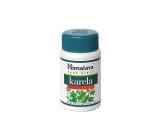
Karela

Karela
| Active ingredient | Momordica charantia (bitter melon) fruit extracts containing charantin, polypeptides, and lectins |
|---|---|
| Mechanism of action | Lowers blood glucose by enhancing insulin secretion and peripheral glucose uptake; also anti-inflammatory and lipid-lowering |
| Common dose | Typically 500-1000 mg of standardized extract per day, divided into 1-2 doses |
| What is it used for? | Management of type2 diabetes, weight loss, and dyslipidemia |
| Important information on taking | Take with meals, monitor blood glucose, and avoid use if hypoglycemic symptoms occur |
| Common side effects | Gastrointestinal upset, diarrhea, abdominal cramps |
| Serious risks | Potential severe hypoglycemia, liver enzyme elevation, allergic reactions |
| Interactions | May potentiate antidiabetic drugs; caution with anticoagulants and immunosuppressants |
| Contraindications | Pregnancy, breastfeeding, known hypersensitivity to Cucurbitaceae |
| Legal status | Regulated as a dietary supplement in many jurisdictions; not approved as a pharmaceutical drug |
What you should know about Karela
Understanding the definition and mechanism of action of Karela
Karela is a herbal preparation derived from momordica charantia that is used to lower blood glucose levels in patients with type 2 diabetes. Its definition refers to a standardized dried fruit extract containing active polysaccharides and polypeptide-p. The mechanism of action includes stimulation of insulin secretion from pancreatic beta cells and inhibition of hepatic gluconeogenesis. It also enhances peripheral glucose uptake by promoting translocation of glucose transporters in muscle cells. The compound exerts anti-inflammatory effects through modulation of cytokine pathways. These actions collectively improve glycemic control without causing severe hypoglycemia when used appropriately. Clinical studies have shown that regular supplementation reduces fasting plasma glucose and improves insulin sensitivity. Efficacy is greatest when Karela is used alongside lifestyle modifications and standard antidiabetic therapy.
Pharmacological properties of Karela
Karela, derived from the fruit of momordica charantica, is used in certain traditional medicinal formulations as an adjunct therapy for metabolic disorders. Its pharmacological profile includes a mixture of bioactive compounds such as charantin, polypeptide-p, and momordicin that exhibit hypoglycemic activity. These compounds influence insulin secretion from pancreatic beta cells and enhance peripheral glucose uptake in muscles. The stimulation of insulin release is mediated through activation of calcium channels and modulation of the camp signaling pathway. Simultaneously, the plant constituents inhibit hepatic gluconeogenesis by down-regulating key enzymes such as glucose-6-phosphatase. This dual action reduces circulating glucose levels while also improving lipid metabolism through alterations in fatty acid oxidation. In vivo studies have shown that chronic administration leads to decreased fasting blood sugar and improved insulin sensitivity in animal models. Overall, the therapeutic effect of Karela stems from its ability to concurrently modulate multiple steps of the glucose regulatory network.
Medical indications for Karela
| Diabetes | 5 g powdered fruit, twice daily, 4-6 weeks |
|---|---|
| Hypertension | 10 ml juice diluted in water, three times daily, 8-12 weeks |
| Obesity | 2 capsules (~1 g dried fruit), once daily, 12 weeks |
The most common side effects
Side effects of Karela
Karela may cause stomach discomfort in some people. Consumption can lead to mild nausea or dizziness occasionally. It has been reported to lower blood sugar levels which may affect medication effectiveness. In rare cases allergic skin reactions such as rash or itching may occur. Some individuals experience diarrhea or loose stools after eating Karela. Overconsumption can result in excessive thirst or dry mouth. The fruit may interact with certain herbal supplements causing unexpected changes in energy levels. Long term high intake might affect liver function tests in susceptible individuals.
Essential considerations before taking Karela
Karela is commonly consumed as a vegetable in various cuisines. Some individuals may experience gastrointestinal discomfort such as nausea or abdominal cramping after eating it. In rare cases, excessive intake has been linked to hypoglycemia due to its blood sugar-lowering compounds. The fruit can interact with antidiabetic medications, potentially amplifying their effects. Mild skin irritation may occur in sensitive individuals when handling the raw fruit. Overconsumption can also lead to diarrhea or loose stools in certain people. These reactions are generally mild and occur in a small proportion of the population.
Frequently observed responses to Karela
- Upset stomach
- Diarrhea
- Allergic reaction
- Hypoglycemia
- Liver stress
Karela (bitter gourd) offers a unique blend of nutrients and phytochemicals that can support blood-sugar regulation, digestive health, and anti-inflammatory benefits when incorporated thoughtfully into a balanced diet. However, its pronounced bitterness and high levels of certain compounds mean it should be introduced gradually, especially for those who have never tasted it before. Cooking methods such as sauteing with spices, adding a splash of lemon juice, or pairing it with sweet vegetables can mellow the bitterness while preserving its medicinal properties. Individuals on antidiabetic medication should monitor blood glucose closely, as Karela may potentiate the effects of these drugs. Pregnant women and people with severe liver or kidney disease are advised to consult a healthcare professional before making Karela a regular part of their meals. Finally, sourcing fresh, organically grown fruit and storing it in a cool, dry place will help retain both flavor and the bioactive compounds that make Karela a valuable functional food.
 Nicholas Cochran-Caggiano
: ABEM Certified, Board Certification, Emergency Medical Services, Emergency Medicine
Nicholas Cochran-Caggiano
: ABEM Certified, Board Certification, Emergency Medical Services, Emergency Medicine


 Luke
: ABEM Certified, Emergency Medicine
Luke
: ABEM Certified, Emergency Medicine
 Ira Gordon Early, M.D.
: Certification, Medical Toxicology
Ira Gordon Early, M.D.
: Certification, Medical Toxicology
 Mark Lewis Friedman, M.D.
: ABEM Certified, Emergency Medicine
Mark Lewis Friedman, M.D.
: ABEM Certified, Emergency Medicine
 Ryan Nicholas Renfro, M.D.
: ABEM Certified, Emergency Medicine
Ryan Nicholas Renfro, M.D.
: ABEM Certified, Emergency Medicine
 Gregory Wallingford, M.D.
: ABEM Certified, Certification, Emergency Medicine, Hospice, Palliative Care
Gregory Wallingford, M.D.
: ABEM Certified, Certification, Emergency Medicine, Hospice, Palliative Care


| Shipping method | Delivery time | Price | |
| Airmail service Delivery | 14-21 days | 14.95$ | Tracking# available in 4 days |
| Trackable service Delivery | 9-14 days | 30$ | Tracking# available in 2 days |
- Shipping worldwide
- Confidentiality and anonymity guarantee
- Safe and secure
- Discrete looking packages
- Dispatch orders within 24 hours
- 100% success delivery