


- Bestsellers
- Alcoholism
- Allergy
- Alzheimers
- Anti Fungal
- Anti Viral
- Anti-Depressants
- Anti-Inflammatory
- Antibacterial
- Antibiotics
- Antiparasitic
- Arthritis
- Asthma
- Birth Control
- Blood Pressure
- COVID-19
- Cancer
- Cardiovascular
- Cholesterol
- Diabetes
- Diuretics
- Erectile Dysfunction
- Eye Drop
- Gastro Health
- General Health
- HIV
- Hair Loss
- Hepatitis C Virus (HCV)
- Herbals
- Hormones
- Men's ED Packs
- Men's Health
- Mental Illness
- Motion Sickness
- Muscle Relaxant
- Pain Relief
- Parkinson’s Disease
- Quit Smoking
- Skin Care
- Sleeping Aids
- Veterinary Medicines
- Vitamins
- Weight Loss
- Women's Health
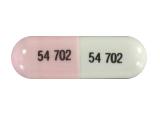
Generic Lithium

Lithium
| Active ingredient | Lithium carbonate (or lithium citrate) |
|---|---|
| Mechanism of action | Modulates neuronal excitability by inhibiting sodium influx and enhancing GABAergic activity; reduces intracellular inositol monophosphate. |
| Common dose | Typically 600-1200 mg/day of lithium carbonate in divided doses, aiming for serum levels 0.6-1.0mmol/L. |
| What is it used for? | Treatment of bipolar disorder (manic episodes) and as adjunct in treatment-resistant depression. |
| Important information on taking | Serum lithium levels must be monitored regularly; take doses with food; maintain adequate hydration. |
| Common side effects | Tremor, polyuria, weight gain, nausea, fatigue. |
| Serious risks | Lithium toxicity, cardiac arrhythmias, renal impairment, thyroid dysfunction. |
| Interactions | Increased levels with NSAIDs, diuretics, ACE inhibitors; decreased efficacy with drugs that induce CYPs. |
| Contraindications | Severe renal or cardiac disease, thyroid disorders, pregnancy (first trimester), breastfeeding. |
| Legal status | Prescription-only medication (not scheduled, but regulated as a prescription drug). |
An overview of Lithium
Definition and mechanism of action of Lithium
Lithium is a metallic element that is formulated into oral tablets or capsules for psychiatric treatment. It is primarily prescribed to manage bipolar disorder by reducing the severity and frequency of manic episodes. The drug stabilizes neuronal excitability through modulation of intracellular sodium concentrations. This action enhances the function of inhibitory neurotransmission and dampens overactive excitatory pathways in the brain. As a result patients experience a more balanced mood, decreased impulsivity, and improved regulation of sleep-wake cycles. The cumulative effect of these physiological changes translates into the therapeutic benefit of mood stabilization associated with Lithium therapy.
Understanding the pharmacological properties of Lithium
Lithium is a naturally occurring alkali metal used clinically as a mood stabilizer. Its pharmacological properties include high solubility in water and rapid absorption after oral administration. The drug distributes widely throughout the body and crosses the blood brain barrier to reach neuronal tissues. Lithium's primary therapeutic purpose is to reduce the frequency and severity of manic episodes in bipolar disorder. It also helps prevent depressive episodes and can maintain mood stability over long term treatment. The biological mechanism involves alteration of intracellular second messenger pathways such as inositol monophosphate and cyclic adenosine monophosphate. By modulating these pathways Lithium influences neurotransmitter release and neuronal excitability which contributes to mood regulation. This combination of pharmacokinetic characteristics and neuronal actions underlies its established role in psychiatric therapy.
Conditions treated with Lithium
| Bipolar Disorder | Typical dose: 600-1200 mg/day; 2-3 times daily; long-term maintenance |
|---|---|
| Epilepsy | Typical dose: 300-600 mg/day; 2-3 times daily; often chronic |
| Adjunctive Depression | Typical dose: 300-600 mg/day; 1-2 times daily; variable duration |
Side effects of Lithium you should know about
Side effects of Lithium you should know about
Lithium can cause tremor that is most noticeable in the hands. Some users experience increased thirst and frequent urination. Weight gain may occur as a result of fluid retention. Nausea and occasional stomach upset are common early side effects. Fatigue can develop, leading to a feeling of low energy. Cognitive dullness or slowed thinking may be reported by some patients. Long-term use may affect thyroid function and require regular monitoring.
What to know before starting Lithium
Lithium therapy can cause increased thirst and frequent urination as the body adjusts to higher fluid levels. Some people experience mild hand tremors that may become more noticeable with higher doses. Weight gain is reported by many patients, often due to changes in metabolism and appetite. Elevated Lithium levels may lead to slight confusion or memory lapses that usually resolve with dose adjustments. Skin rashes or acne-like eruptions can appear in a minority of users, especially during the first weeks of treatment. Lithium may affect kidney function requiring regular blood monitoring to maintain safety. In rare cases a metallic taste or gastrointestinal discomfort may occur particularly when the medication is taken on an empty stomach.
Common reactions associated with Lithium
- Reaction with water to form lithium hydroxide and hydrogen gas
- Formation of lithium chloride when reacted with hydrochloric acid
- Lithium metal reacts with oxygen to produce lithium oxide
- Reaction with nitrogen at elevated temperature yields lithium nitride
- Lithium reacts with carbon dioxide to form lithium carbonate
- Combustion in air produces lithium oxide and lithium nitride
Lithium's unique ability to store and release large amounts of energy makes it the cornerstone of modern portable power, but its reactivity demands careful handling and responsible disposal. Users should always employ manufacturers-approved chargers and avoid exposing cells to extreme temperatures, physical damage, or short-circuits, which can trigger thermal runaway. Storing batteries at a partial charge (around 40-60 %) in a cool, dry place helps prolong lifespan and reduces the risk of capacity loss. When a battery shows signs of swelling, overheating, or abnormal voltage drop, it must be retired immediately and taken to a certified recycling facility. For large-scale applications, implementing robust battery-management systems and regular health monitoring can prevent failures and ensure safe operation. Finally, staying informed about local regulations for transport and recycling ensures that Lithium's benefits are enjoyed without compromising safety or the environment. By following these practices, users can maximize performance while minimizing hazards associated with Lithium-based technologies.
 Nicole Wai-Ga Lau, M.D.
: ABEM Certified, Emergency Medicine
Nicole Wai-Ga Lau, M.D.
: ABEM Certified, Emergency Medicine

 Matthew Adam Von Zimmerman, D.O.
: ABEM Certified, Emergency Medicine
Matthew Adam Von Zimmerman, D.O.
: ABEM Certified, Emergency Medicine
 David L. Francis, M.D.
: ABEM Certified, Addiction, DEA, Emergency Medicine, MyEMCert, opioids, Substance Use Disorder
David L. Francis, M.D.
: ABEM Certified, Addiction, DEA, Emergency Medicine, MyEMCert, opioids, Substance Use Disorder
 Kenneth MacLeod Rice, M.D.
: ABEM Certified, Addiction, DEA, Emergency Medicine, MyEMCert, opioids, Substance Use Disorder
Kenneth MacLeod Rice, M.D.
: ABEM Certified, Addiction, DEA, Emergency Medicine, MyEMCert, opioids, Substance Use Disorder
 Andrew Core
: ABEM, Administration, Leadership, Management
Andrew Core
: ABEM, Administration, Leadership, Management
 Jose C. Maria-Rios, M.D.
: ABEM, ABEM Certified, Critical Care, Emergency Medicine, Internal Medicine
Jose C. Maria-Rios, M.D.
: ABEM, ABEM Certified, Critical Care, Emergency Medicine, Internal Medicine
 Luis Antonio Pellicia, M.D.
: ABEM Certified, Emergency Medicine
Luis Antonio Pellicia, M.D.
: ABEM Certified, Emergency Medicine


| Shipping method | Delivery time | Price | |
| Airmail service Delivery | 14-21 days | 14.95$ | Tracking# available in 4 days |
| Trackable service Delivery | 9-14 days | 30$ | Tracking# available in 2 days |
- Shipping worldwide
- Confidentiality and anonymity guarantee
- Safe and secure
- Discrete looking packages
- Dispatch orders within 24 hours
- 100% success delivery