


- Bestsellers
- Alcoholism
- Allergy
- Alzheimers
- Anti Fungal
- Anti Viral
- Anti-Depressants
- Anti-Inflammatory
- Antibacterial
- Antibiotics
- Antiparasitic
- Arthritis
- Asthma
- Birth Control
- Blood Pressure
- COVID-19
- Cancer
- Cardiovascular
- Cholesterol
- Diabetes
- Diuretics
- Erectile Dysfunction
- Eye Drop
- Gastro Health
- General Health
- HIV
- Hair Loss
- Hepatitis C Virus (HCV)
- Herbals
- Hormones
- Men's ED Packs
- Men's Health
- Mental Illness
- Motion Sickness
- Muscle Relaxant
- Pain Relief
- Parkinson’s Disease
- Quit Smoking
- Skin Care
- Sleeping Aids
- Veterinary Medicines
- Vitamins
- Weight Loss
- Women's Health
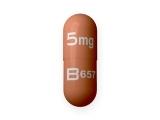
Generic Prograf ( Tacrolimus )

Prograf
| Active ingredient | Tacrolimus |
|---|---|
| Mechanism of action | Calcineurin inhibition leading to immunosuppression |
| Common dose | 0.5-1 mg orally twice daily (adjusted per blood levels) |
| What is it used for? | Prevention of graft rejection in organ transplant patients |
| Important information on taking | Take on an empty stomach, monitor blood tacrolimus levels regularly |
| Common side effects | Tremor, hypertension, kidney dysfunction, insomnia |
| Serious risks | Increased susceptibility to infections, malignancies, severe renal impairment |
| Interactions | Concurrent use with CYP3A4 inducers/inhibitors, certain antibiotics, antifungals, and grapefruit juice |
| Contraindications | Hypersensitivity to tacrolimus, history of seizures uncontrolled by immunosuppression |
| Legal status | Prescription-only medication (Rx) |
A closer look at Prograf and how it works
Understanding the definition and mechanism of action of Prograf
Prograf is an immunosuppressant medication used primarily to prevent organ transplant rejection. Its active ingredient tacrolimus works by inhibiting the activation of t cells that drive immune responses. The drug binds to fk binding protein 12 and forms a complex that blocks calcineurin phosphatase activity downstream of the t cell receptor. This inhibition prevents dephosphorylation of nuclear factor of activated t cells leading to reduced transcription of cytokines such as interleukin 2. By decreasing cytokine production and t cell proliferation the medication lowers the risk of graft rejection and is also employed in treating certain autoimmune conditions. Pharmacokinetically tacrolimus is orally absorbed metabolized by hepatic cytochrome enzymes and eliminated mainly through biliary excretion.
Key pharmacological features and clinical properties of Prograf
Prograf is the brand name for the immunosuppressant tacrolimus and is used primarily to prevent organ transplant rejection. Its pharmacological action involves inhibiting the activation of t cells by binding to fkbp12 and blocking calcineurin phosphatase activity. This inhibition prevents the transcription of cytokines such as interleukin-2 which are essential for immune response proliferation. By reducing cytokine production Prograf limits the immune system's ability to attack transplanted cells. Clinically it is administered orally and achieves stable blood levels that correlate with therapeutic efficacy and toxicity. The drug is metabolized by the liver enzyme cyp3a4 and its levels are influenced by co-administered medications that affect this pathway. Its therapeutic purpose is to maintain graft survival while minimizing the risk of rejection in patients receiving kidney liver or heart transplants.
Therapeutic indications for Prograf
| Kidney transplant rejection | Typical dose: 0.1-0.3 mg/kg orally once daily (often split BID); maintenance therapy for life. |
|---|---|
| Liver transplant rejection | Typical dose: 0.15-0.2 mg/kg orally twice daily; lifelong immunosuppression. |
| Heart transplant rejection | Typical dose: 0.1-0.2 mg/kg orally twice daily; indefinite maintenance. |
Common side effects of Prograf
Side effects of Prograf you should know about
Prograf may cause hypertension which should be monitored regularly. It can lead to elevated blood sugar levels in some patients. Kidney function may be affected requiring periodic testing. Tremors or shaking can occur as a neurological side effect. Some users experience headaches that range from mild to moderate. Gastrointestinal disturbances such as nausea are occasionally reported. Swelling of the gums may develop with long term use.
What should I note before taking Prograf?
Prograf may affect kidney function, which sometimes requires monitoring. Neurotoxic effects such as headaches, tremors, or confusion can occur in certain patients. Elevated blood pressure, including hypertension, has been noted as a possible side effect. Metabolic disturbances, including increased blood glucose and cholesterol levels, are occasionally reported. Gingival overgrowth, or excessive growth of gum tissue, has been observed in some individuals. The medication can increase susceptibility to infections, particularly those affecting the respiratory tract or skin. A rare but serious risk includes post-transplant lymphoproliferative disorder, which involves abnormal lymphoid cell growth.
Frequently reported effects of Prograf
- Headache
- Tremor
- Hypertension
- Renal impairment
- Hyperglycemia
Prograf (tacrolimus) remains a cornerstone therapy for preventing organ-transplant rejection, offering potent immunosuppression when used correctly. Patients should adhere strictly to the dosing schedule and never adjust the dose without consulting their transplant team. Regular blood-level monitoring is essential because even modest fluctuations can trigger rejection or unwanted side effects. It's wise to avoid grapefruit, certain antibiotics, and over-the-counter supplements that can interfere with tacrolimus metabolism. Maintaining good oral hygiene and staying vigilant for signs such as fever, unexplained bruising, or changes in urine output can help catch complications early. Finally, keeping an up-to-date medication list and sharing it with every healthcare provider reduces the risk of harmful drug interactions. By following these practical steps, patients can maximize the benefits of Prograf while minimizing its risks.
 Barbara Van De Water
: ABEM Certified, Emergency Medicine
Barbara Van De Water
: ABEM Certified, Emergency Medicine

 David Scott Duffy, M.D.
: ABEM Certified, Emergency Medicine
David Scott Duffy, M.D.
: ABEM Certified, Emergency Medicine

 Mila L. Felder, M.D.
: ABEM Certified, Emergency Medicine
Mila L. Felder, M.D.
: ABEM Certified, Emergency Medicine
 Cassidy Cunningham
: ABEM Certified, Emergency Medicine
Cassidy Cunningham
: ABEM Certified, Emergency Medicine
 Devin Matthew Howell, D.O.
: ABEM Certified, Board Certification, Emergency Medical Services, Emergency Medicine
Devin Matthew Howell, D.O.
: ABEM Certified, Board Certification, Emergency Medical Services, Emergency Medicine
 Rebekah Hodge, M.D.
: ABEM, ABEM Certified, Critical Care, Emergency Medicine, Internal Medicine
Rebekah Hodge, M.D.
: ABEM, ABEM Certified, Critical Care, Emergency Medicine, Internal Medicine
 Ben Preiss
: ABEM Certified, Emergency Medicine
Ben Preiss
: ABEM Certified, Emergency Medicine


| Shipping method | Delivery time | Price | |
| Airmail service Delivery | 14-21 days | 14.95$ | Tracking# available in 4 days |
| Trackable service Delivery | 9-14 days | 30$ | Tracking# available in 2 days |
- Shipping worldwide
- Confidentiality and anonymity guarantee
- Safe and secure
- Discrete looking packages
- Dispatch orders within 24 hours
- 100% success delivery