


- Bestsellers
- Alcoholism
- Allergy
- Alzheimers
- Anti Fungal
- Anti Viral
- Anti-Depressants
- Anti-Inflammatory
- Antibacterial
- Antibiotics
- Antiparasitic
- Arthritis
- Asthma
- Birth Control
- Blood Pressure
- COVID-19
- Cancer
- Cardiovascular
- Cholesterol
- Diabetes
- Diuretics
- Erectile Dysfunction
- Eye Drop
- Gastro Health
- General Health
- HIV
- Hair Loss
- Hepatitis C Virus (HCV)
- Herbals
- Hormones
- Men's ED Packs
- Men's Health
- Mental Illness
- Motion Sickness
- Muscle Relaxant
- Pain Relief
- Parkinson’s Disease
- Quit Smoking
- Skin Care
- Sleeping Aids
- Veterinary Medicines
- Vitamins
- Weight Loss
- Women's Health
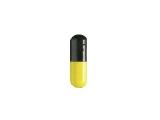
Generic Tetracycline ( Tetracycline Hydrochloride )

Tetracycline
| Active ingredient | Tetracycline |
|---|---|
| Mechanism of action | Binds to the bacterial 30S ribosomal subunit and blocks protein synthesis |
| Common dose | 250 mg-500 mg every 6 hours (or 500 mg every 12 hours) depending on infection |
| What is it used for? | Treating susceptible Gram-positive and Gram-negative bacterial infections such as acne, urinary tract infections, respiratory infections, and tick-borne diseases |
| Important information on taking | Take with a full glass of water on an empty stomach; avoid dairy products, antacids, or iron supplements within 1hour before or 2 hours after dosing |
| Common side effects | Nausea, vomiting, diarrhea, loss of appetite, mild skin rash |
| Serious risks | Permanent tooth discoloration in children, liver toxicity, severe allergic reactions (anaphylaxis), intracranial hypertension |
| Interactions | Reduced efficacy with oral contraceptives, enhanced effects of warfarin, increased serum levels with isotretinoin, antagonism with penicillins and bacteriostatic agents |
| Contraindications | Hypersensitivity to tetracycline or any excipients, pregnancy and lactation, children under 8 years of age |
| Legal status | Prescription-only medication (Rx) |
An overview of Tetracycline
What is Tetracycline and how does it work?
Tetracycline is a synthetic antibiotic that inhibits bacterial protein synthesis. It binds to the 30s ribosomal subunit and prevents the attachment of aminoacyl-trna to the acceptor site. This interaction blocks peptide-bond formation and stops the elongation of newly formed polypeptide chains. By halting protein production the drug arrests bacterial growth and replication. The resulting bacteriostatic effect allows immune mechanisms to clear the infection. Tetracycline is used to treat infections of the respiratory tract, skin, and urinary system caused by susceptible organisms. Its active ingredient works by specifically targeting ribosomal function to produce the antibacterial effect.
Pharmacodynamics and pharmacological profile of Tetracycline
Tetracycline is a broad spectrum antibiotic that inhibits bacterial protein synthesis. It binds to the 30s ribosomal subunit preventing the addition of aminoacyl trna to the mrna. This interaction disrupts the formation of the functional ribosome and leads to stalled translation. The drug is effective against gram positive and gram negative organisms as well as atypical pathogens. Its pharmacodynamic effect is concentration dependent and results in a bacteriostatic action that can become bactericidal at higher levels. The pharmacological profile includes good tissue penetration oral absorption and metabolism that is minimal with largely unchanged excretion. Therapeutically it is used to treat respiratory infections acne and certain sexually transmitted diseases where susceptibility is demonstrated. The intended antibacterial effect arises from the blockade of ribosomal function that prevents protein production essential for bacterial growth.
Clinical indications for Tetracycline
| Acne | 250 mg orally twice a day for 8-12 weeks |
|---|---|
| Anthrax exposure | 500 mg orally twice a day for 60 days |
| Cholera | 500 mg orally four times a day for 3-6 days |
Common side effects of Tetracycline
Side effects of Tetracycline you should know about
Tetracycline is an oral antibiotic commonly used to treat bacterial infections. One frequent side effect is gastrointestinal discomfort including nausea and diarrhea. Some patients may develop photosensitivity leading to an increased risk of sunburn. Allergic reactions such as skin rash or itching can occur in susceptible individuals. Long-term use has been associated with permanent staining of teeth in children. Prolonged courses can disrupt normal gut flora causing overgrowth of resistant bacteria. Rarely, the drug may affect liver function resulting in elevated enzymes. Interactions with certain minerals like calcium and iron reduce its absorption markedly.
Important information to consider before taking Tetracycline
Tetracycline may cause gastrointestinal discomfort such as nausea or diarrhea. It can lead to photosensitivity increasing the risk of sunburn when exposed to sunlight. Discoloration of permanent teeth can occur in children whose teeth are still developing. Long-term use might affect bone growth and density in adolescents. Some individuals experience severe allergic reactions including rash swelling or difficulty breathing. Tetracycline can interact with other medications altering their effectiveness. It may also cause yeast infections due to changes in normal oral or vaginal flora. Routine monitoring of liver function is recommended during extended treatment periods.
Typical reactions to Tetracycline
- Nausea
- Vomiting
- Diarrhea
- Esophagitis
- Photosensitivity
- Discoloration of teeth
Tetracycline remains a valuable broad-spectrum antibiotic for treating a wide range of bacterial infections, but its utility is increasingly limited by rising resistance and well-documented side-effects. Patients should take the drug exactly as prescribed, completing the full course even if symptoms improve, to minimize the chance of resistant strains emerging. Because Tetracycline can bind to calcium in bones and teeth, it is best avoided in children, pregnant or nursing women, and individuals with severe kidney disease unless a physician advises otherwise. Sunlight sensitivity is common; using sunscreen and wearing protective clothing can prevent painful sunburns. Interactions with antacids, dairy products, iron supplements, and certain multivitamins can reduce absorption, so these should be taken at least two hours before or after the medication. Finally, stay hydrated and report any persistent nausea, swelling, or rash to a healthcare provider promptly, as early intervention can prevent more serious complications.

 Matthew Adam Von Zimmerman, D.O.
: ABEM Certified, Emergency Medicine
Matthew Adam Von Zimmerman, D.O.
: ABEM Certified, Emergency Medicine
 Daniel Keyes, M.D., M.P.H.
: ABEM Certified, Certification, Emergency Medicine, Medical Toxicology
Daniel Keyes, M.D., M.P.H.
: ABEM Certified, Certification, Emergency Medicine, Medical Toxicology
 Nicholas Cochran-Caggiano
: ABEM Certified, Board Certification, Emergency Medical Services, Emergency Medicine
Nicholas Cochran-Caggiano
: ABEM Certified, Board Certification, Emergency Medical Services, Emergency Medicine

 Barbara Van De Water
: ABEM Certified, Emergency Medicine
Barbara Van De Water
: ABEM Certified, Emergency Medicine
 Adeel Saqib, M.D.
: ABEM Certified, Emergency Medicine
Adeel Saqib, M.D.
: ABEM Certified, Emergency Medicine
 Zia Ur Rehman, D.O.
: ABEM Certified, Emergency Medicine
Zia Ur Rehman, D.O.
: ABEM Certified, Emergency Medicine
 Craig F Tschautscher, M.D.
: ABEM Certified, Board Certification, Emergency Medical Services, Emergency Medicine
Craig F Tschautscher, M.D.
: ABEM Certified, Board Certification, Emergency Medical Services, Emergency Medicine
 Sarah Kristin Kennedy, M.D.
: ABEM Certified, Advanced Emergency Medicine Ultrasonography, Emergency Medicine, Focused Practice Designation, Ultrasonography, Ultrasound
Sarah Kristin Kennedy, M.D.
: ABEM Certified, Advanced Emergency Medicine Ultrasonography, Emergency Medicine, Focused Practice Designation, Ultrasonography, Ultrasound
 David Scott Duffy, M.D.
: ABEM Certified, Emergency Medicine
David Scott Duffy, M.D.
: ABEM Certified, Emergency Medicine


| Shipping method | Delivery time | Price | |
| Airmail service Delivery | 14-21 days | 14.95$ | Tracking# available in 4 days |
| Trackable service Delivery | 9-14 days | 30$ | Tracking# available in 2 days |
- Shipping worldwide
- Confidentiality and anonymity guarantee
- Safe and secure
- Discrete looking packages
- Dispatch orders within 24 hours
- 100% success delivery