


- Bestsellers
- Alcoholism
- Allergy
- Alzheimers
- Anti Fungal
- Anti Viral
- Anti-Depressants
- Anti-Inflammatory
- Antibacterial
- Antibiotics
- Antiparasitic
- Arthritis
- Asthma
- Birth Control
- Blood Pressure
- COVID-19
- Cancer
- Cardiovascular
- Cholesterol
- Diabetes
- Diuretics
- Erectile Dysfunction
- Eye Drop
- Gastro Health
- General Health
- HIV
- Hair Loss
- Hepatitis C Virus (HCV)
- Herbals
- Hormones
- Men's ED Packs
- Men's Health
- Mental Illness
- Motion Sickness
- Muscle Relaxant
- Pain Relief
- Parkinson’s Disease
- Quit Smoking
- Skin Care
- Sleeping Aids
- Veterinary Medicines
- Vitamins
- Weight Loss
- Women's Health
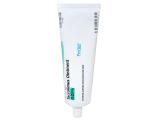
Generic Tacrolimus

Tacrolimus
| Active ingredient | Tacrolimus |
|---|---|
| Mechanism of action | Inhibits calcineurin, suppressing T-cell activation |
| Common dose | Typically 0.1-0.2 mg/kg orally twice daily (target trough 5-20 ng/mL) |
| What is it used for? | Prevention of organ transplant rejection and other immunosuppressive therapy |
| Important information on taking | Take consistently with or without food; monitor blood levels regularly; avoid grapefruit; no crushing; keep away from sunlight |
| Common side effects | Tremor, hypertension, nephrotoxicity, hyperglycemia, insomnia, headache |
| Serious risks | Increased infection risk, malignancy, post-transplant lymphoproliferative disorder, graft failure |
| Interactions | CYP3A4 inhibitors (e.g., erythromycin, ketoconazole) and inducers (e.g., rifampin, phenytoin); other immunosuppressants |
| Contraindications | Hypersensitivity to tacrolimus; severe hepatic impairment; active infection; pregnancy unless benefits outweigh risks |
| Legal status | Prescription-only medication; regulated immunosuppressant |
Understanding Tacrolimus and its purpose
Definition, therapeutic role, and mechanism of action of Tacrolimus
Tacrolimus is an immunosuppressive medication that belongs to the class of calcineurin inhibitors. It is primarily used to prevent organ transplant rejection and to treat certain autoimmune conditions. The drug works by binding to immunophilin proteins in t-lymphocytes. This binding prevents activation of the enzyme calcineurin which normally triggers cytokine production. As a result, Tacrolimus reduces the expression of interleukin-2 and other inflammatory mediators. The decrease in cytokine signaling limits the immune response that would otherwise attack transplanted tissue or inflamed organs. By modulating this pathway, the medication helps maintain graft survival and alleviates disease activity. The drug is metabolized primarily by the liver enzyme cyp3a4 influencing its blood levels.
Pharmacodynamics and pharmacological profile of Tacrolimus
Tacrolimus is an immunosuppressive medication that belongs to the class of calcineurin inhibitors. Its pharmacological profile is characterized by high potency and a narrow therapeutic index. The drug binds to fkbp 12 protein in t cells to form a complex that inhibits calcineurin. This inhibition blocks the production of interleukin 2 a cytokine that drives t cell activation. With reduced interleukin 2 signaling the immune response is dampened and t cell proliferation is limited. Clinically this leads to suppression of graft rejection and prevention of autoimmune complications. Tacrolimus is therefore used in organ transplantation to maintain graft survival by targeting early immune activation. The overall pharmacodynamic effect is a strong reduction in immune mediated tissue damage while allowing controlled immunosuppression.
Clinical indications for Tacrolimus
| Organ-transplant rejection (prophylaxis) | 0.1-0.2 mg/kg once daily, usually for the first 6-12 months after transplant |
|---|---|
| Systemic lupus erythematosus (lupus nephritis) | 2-3 mg/kg once daily, often for 6-12 months, with dose titrated to remission |
| Severe atopic dermatitis | 0.03-0.05 mg/kg once daily for up to 12 weeks, then as needed for flares |
Common reactions Tacrolimus can cause
Side effects of Tacrolimus
Tacrolimus is an immunosuppressant medication commonly used to prevent organ rejection in transplant patients. Common side effects include headache, tremor, and high blood pressure. Patients may also experience increased susceptibility to infections due to reduced immune activity. Kidney function can be affected, leading to reduced filtration and potential disturbances in blood tests. Some individuals report gastrointestinal symptoms such as nausea, diarrhea, or abdominal discomfort. Neurological effects like dizziness, insomnia, or mood changes have been documented in clinical reports. Regular monitoring of blood levels and routine medical checkups are part of standard management to address these potential outcomes.
Key factors to keep in mind before using
Tacrolimus can cause kidney problems and increased serum creatinine. It may lead to high blood pressure in some patients. The drug often reduces appetite and can cause weight loss. Some users experience tremors or shaking of the hands. Sleep disturbances such as insomnia are reported. Elevated blood sugar levels may occur and increase the risk of diabetes. Gastrointestinal symptoms like nausea and diarrhea are possible. Changes in mood such as anxiety or depression have been observed.
Frequently reported effects of Tacrolimus
- Headache
- Tremor
- Hypertension
- Nephrotoxicity
- Hyperlipidemia
- Diarrhea
Tacrolimus remains a cornerstone of modern immunosuppression, offering powerful inhibition of t-cell activation but requiring vigilant monitoring for kidney function, blood pressure, and infection risk. Patients should take the medication exactly as prescribed, usually on an empty stomach, and avoid grapefruit or other cyp3a4 inhibitors that can spike blood levels. Regular blood-test appointments are essential to keep trough concentrations within the target range and to catch any adverse effects early. Staying hydrated, maintaining a balanced diet low in sodium, and reporting any new fevers, rashes, or unexplained bruising can help prevent complications. It's wise to keep a medication list handy and share it with every healthcare provider you see, including dentists and pharmacists. Finally, never stop or adjust the dose without consulting your transplant team, and consider joining a support group or online community for practical tips and emotional reassurance.

 Douglas M. Young, D.O.
: ABEM Certified, Emergency Medicine
Douglas M. Young, D.O.
: ABEM Certified, Emergency Medicine
 Sarah Kristin Kennedy, M.D.
: ABEM Certified, Advanced Emergency Medicine Ultrasonography, Emergency Medicine, Focused Practice Designation, Ultrasonography, Ultrasound
Sarah Kristin Kennedy, M.D.
: ABEM Certified, Advanced Emergency Medicine Ultrasonography, Emergency Medicine, Focused Practice Designation, Ultrasonography, Ultrasound
 Nicholas Cochran-Caggiano
: ABEM Certified, Board Certification, Emergency Medical Services, Emergency Medicine
Nicholas Cochran-Caggiano
: ABEM Certified, Board Certification, Emergency Medical Services, Emergency Medicine
 Christopher Kaczmarczyk, D.O., FACEP, AEMUS
: ABEM Certified, Advanced Emergency Medicine Ultrasonography, Emergency Medicine, Focused Practice Designation, Ultrasonography, Ultrasound
Christopher Kaczmarczyk, D.O., FACEP, AEMUS
: ABEM Certified, Advanced Emergency Medicine Ultrasonography, Emergency Medicine, Focused Practice Designation, Ultrasonography, Ultrasound
Christopher Kaczmarczyk, D.O., FACEP, AEMUS
: ABEM Certified, Advanced Emergency Medicine Ultrasonography, Emergency Medicine, Focused Practice Designation, Ultrasonography, Ultrasound
Christopher Kaczmarczyk, D.O., FACEP, AEMUS
: ABEM Certified, Advanced Emergency Medicine Ultrasonography, Emergency Medicine, Focused Practice Designation, Ultrasonography, Ultrasound
 Craig F Tschautscher, M.D.
: ABEM Certified, Board Certification, Emergency Medical Services, Emergency Medicine
Craig F Tschautscher, M.D.
: ABEM Certified, Board Certification, Emergency Medical Services, Emergency Medicine


| Shipping method | Delivery time | Price | |
| Airmail service Delivery | 14-21 days | 14.95$ | Tracking# available in 4 days |
| Trackable service Delivery | 9-14 days | 30$ | Tracking# available in 2 days |
- Shipping worldwide
- Confidentiality and anonymity guarantee
- Safe and secure
- Discrete looking packages
- Dispatch orders within 24 hours
- 100% success delivery