


- Bestsellers
- Alcoholism
- Allergy
- Alzheimers
- Anti Fungal
- Anti Viral
- Anti-Depressants
- Anti-Inflammatory
- Antibacterial
- Antibiotics
- Antiparasitic
- Arthritis
- Asthma
- Birth Control
- Blood Pressure
- COVID-19
- Cancer
- Cardiovascular
- Cholesterol
- Diabetes
- Diuretics
- Erectile Dysfunction
- Eye Drop
- Gastro Health
- General Health
- HIV
- Hair Loss
- Hepatitis C Virus (HCV)
- Herbals
- Hormones
- Men's ED Packs
- Men's Health
- Mental Illness
- Motion Sickness
- Muscle Relaxant
- Pain Relief
- Parkinson’s Disease
- Quit Smoking
- Skin Care
- Sleeping Aids
- Veterinary Medicines
- Vitamins
- Weight Loss
- Women's Health
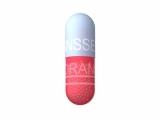
Generic Sporanox ( Itraconazole )

Sporanox
| Active ingredient | Itraconazole |
|---|---|
| Mechanism of action | Inhibits fungal cytochrome P450 enzymes, disrupting ergosterol synthesis in fungal cell membranes |
| Common dose | Typically 200 mg once daily (varies by infection) |
| What is it used for? | Treatment of fungal infections including aspergillosis, blastomycosis, and histoplasmosis |
| Important information on taking | Take with food to enhance absorption; complete full course even if symptoms improve |
| Common side effects | Headache, diarrhea, nausea, vomiting, abdominal pain, rash |
| Serious risks | Liver dysfunction, heart failure, and severe allergic reactions |
| Interactions | Significant interactions with terfenadine, cisapride, warfarin, statins, and other CYP3A4 substrates |
| Contraindications | Pregnancy (category C), breastfeeding, severe liver disease, or heart failure |
| Legal status | Prescription-only medication (requires physician authorization) |
Exploring the basics of Sporanox
How Sporanox works in the body: definition and pharmacological action
Sporanox is an oral antifungal medication whose active ingredient itraconazole inhibits fungal sterol synthesis. It belongs to the class of triazole antifungals and exerts its effect by binding to the fungal cytochrome p450 14a-demethylase enzyme. This binding prevents the conversion of lanosterol to ergosterol, disrupting the cell membrane integrity of susceptible organisms. The resulting accumulation of toxic sterol precursors leads to fungal cell death and proliferation inhibition. Therapeutically Sporanox is used to treat systemic mycoses and certain dermatophyte infections in adults. Its pharmacokinetic profile involves extensive distribution to tissues and hepatic metabolism primarily through the cyp3a4 pathway. The elimination of the drug and its metabolites occurs chiefly via biliary excretion supporting its sustained antifungal activity.
Pharmacological characteristics of Sporanox
Sporanox is an azole antifungal used to treat a variety of fungal infections. It works by blocking the fungal enzyme lanosterol 14 alpha demethylase which is needed for ergosterol production. The reduction of ergosterol weakens the fungal cell membrane making it more vulnerable. This disruption leads to decreased fungal growth and eventual cell death. The medication is absorbed orally and circulates systemically to reach infected tissues. Its pharmacokinetic profile includes extensive protein binding and hepatic metabolism resulting in a long elimination half-life. Clinical use targets deep tissue infections such as those caused by aspergillus and candida species.
Therapeutic uses of Sporanox
| Onychomycosis | 200 mg PO once daily for 6-12 weeks |
|---|---|
| Pulmonary Aspergillosis | 200 mg PO once daily for 6-12 weeks (often longer if chronic) |
| Candidiasis | 200 mg PO once daily for 14 days |
The most common side effects
Common side effects of Sporanox
Common side effects of Sporanox include gastrointestinal discomfort such as nausea and abdominal pain. Patients may also experience headache or dizziness during treatment. Skin reactions like rash or itching can occur in some individuals. Changes in taste sensation or dry mouth have been reported. Some people notice swelling of the ankles or lower legs. Liver enzyme levels may rise leading to mild hepatic discomfort. Fatigue or general weakness are frequently described by users. Mood alterations such as irritability or nervousness have been observed.
What should I note before taking Sporanox?
Some patients may experience nausea or abdominal discomfort after taking Sporanox. Headache and dizziness are also reported side effects. Changes in taste sensation can occur during treatment. Skin rash or itching may appear in some individuals. Elevated liver enzyme levels are occasionally detected in blood tests. Swelling of the ankles or feet has been observed in a minority of cases. These reactions are generally mild and often resolve on their own.
Typical reactions to Sporanox
- Nausea
- Diarrhea
- Headache
- Dizziness
- Fatigue
Sporanox (itraconazole) remains an effective oral and intravenous antifungal that can clear many serious systemic infections when used correctly. Before starting therapy, obtain a full medical history and disclose all concomitant medications, as Sporanox can interact with statins, certain antibiotics and qt-prolonging drugs. Liver function should be checked prior to and during treatment, since the drug can cause hepatic enzyme elevations or, rarely, hepatitis. Take the capsules with a full meal and a glass of water to improve absorption, and complete the entire prescribed course even if symptoms improve early. Report any signs of allergic reaction, stomach pain, darkened urine, or vision changes promptly. Finally, pregnancy and breastfeeding should be avoided unless the benefits clearly outweigh the risks, and patients should use reliable contraception while on the medication.
 Jacob Bledsoe
: ABEM Certified, Emergency Medicine
Jacob Bledsoe
: ABEM Certified, Emergency Medicine

 Jason Lai, M.D.
: ABEM Certified, Emergency Medicine
Jason Lai, M.D.
: ABEM Certified, Emergency Medicine
 Luis Antonio Pellicia, M.D.
: ABEM Certified, Emergency Medicine
Luis Antonio Pellicia, M.D.
: ABEM Certified, Emergency Medicine

 Cassidy Cunningham
: ABEM Certified, Emergency Medicine
Cassidy Cunningham
: ABEM Certified, Emergency Medicine
 Tristen Burt, D.O.
: ABEM Certified, Emergency Medicine
Tristen Burt, D.O.
: ABEM Certified, Emergency Medicine
 Jonathan Slutzman, M.D.
: ABEM Certified, Emergency Medicine
Jonathan Slutzman, M.D.
: ABEM Certified, Emergency Medicine
 David L. Francis, M.D.
: ABEM Certified, Addiction, DEA, Emergency Medicine, MyEMCert, opioids, Substance Use Disorder
David L. Francis, M.D.
: ABEM Certified, Addiction, DEA, Emergency Medicine, MyEMCert, opioids, Substance Use Disorder
 Kenneth MacLeod Rice, M.D.
: ABEM Certified, Addiction, DEA, Emergency Medicine, MyEMCert, opioids, Substance Use Disorder
Kenneth MacLeod Rice, M.D.
: ABEM Certified, Addiction, DEA, Emergency Medicine, MyEMCert, opioids, Substance Use Disorder
 Antonio Napolitano, M.D.
: ABEM Certified, Emergency Medicine
Antonio Napolitano, M.D.
: ABEM Certified, Emergency Medicine
 Andrew Core
: ABEM, Administration, Leadership, Management
Andrew Core
: ABEM, Administration, Leadership, Management


| Shipping method | Delivery time | Price | |
| Airmail service Delivery | 14-21 days | 14.95$ | Tracking# available in 4 days |
| Trackable service Delivery | 9-14 days | 30$ | Tracking# available in 2 days |
- Shipping worldwide
- Confidentiality and anonymity guarantee
- Safe and secure
- Discrete looking packages
- Dispatch orders within 24 hours
- 100% success delivery