


- Bestsellers
- Alcoholism
- Allergy
- Alzheimers
- Anti Fungal
- Anti Viral
- Anti-Depressants
- Anti-Inflammatory
- Antibacterial
- Antibiotics
- Antiparasitic
- Arthritis
- Asthma
- Birth Control
- Blood Pressure
- COVID-19
- Cancer
- Cardiovascular
- Cholesterol
- Diabetes
- Diuretics
- Erectile Dysfunction
- Eye Drop
- Gastro Health
- General Health
- HIV
- Hair Loss
- Hepatitis C Virus (HCV)
- Herbals
- Hormones
- Men's ED Packs
- Men's Health
- Mental Illness
- Motion Sickness
- Muscle Relaxant
- Pain Relief
- Parkinson’s Disease
- Quit Smoking
- Skin Care
- Sleeping Aids
- Veterinary Medicines
- Vitamins
- Weight Loss
- Women's Health
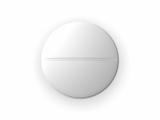
Generic Sitagliptin ( Sitagliptin phosphate )


Sitagliptin
| Active ingredient | Sitagliptin phosphate monohydrate |
|---|---|
| Mechanism of action | DPP-4 inhibition, enhancing incretin hormones (GLP-1, GIP) |
| Common dose | 100 mg once daily (can be 25 mg or 50 mg for reduced renal function) |
| What is it used for? | Type 2 diabetes mellitus to improve glycemic control |
| Important information on taking | Take with or without food; do not split or crush; monitor kidney function |
| Common side effects | Upper respiratory infection, nasopharyngitis, headache, urinary tract infection |
| Serious risks | Acute pancreatitis, severe joint pain, hypersensitivity reactions |
| Interactions | Potential effect with strong CYP3A4/2C8 inhibitors/inducers; caution with renal-impact drugs |
| Contraindications | Hypersensitivity to sitagliptin or any component of the formulation |
| Legal status | Prescription-only medication (Rx) in most jurisdictions |
A closer look at Sitagliptin and how it works
Understanding the definition and mechanism of action of Sitagliptin
Sitagliptin is a prescription medication used to improve blood sugar control in adults with type 2 diabetes. It belongs to a class of drugs called dipeptidyl peptidase-4 (dpp-4) inhibitors. The drug works by blocking the dpp-4 enzyme, which increases levels of incretin hormones that stimulate insulin release. By enhancing incretin activity, Sitagliptin helps lower postprandial glucose without causing hypoglycemia. It does not stimulate insulin secretion in the absence of elevated glucose levels. The overall therapeutic effect is better glycemic control as part of a comprehensive diabetes management program.
Key pharmacological features and clinical properties of Sitagliptin
Sitagliptin is a dipeptidyl peptidase-4 inhibitor used to treat type 2 diabetes mellitus by enhancing the activity of incretin hormones. It works by blocking the enzyme that breaks down incretin peptides leading to increased levels of glp-1 and gip that stimulate insulin secretion. The medication interacts with pancreatic beta cells and intestinal cells to modulate glucose homeostasis. Through this inhibition it reduces postprandial blood glucose fluctuations. Sitagliptin also promotes modest weight neutrality without causing hypoglycemia when used alone. It is administered orally and has a long half life that supports once daily dosing. Clinical studies show improvements in glycemic control comparable to other agents.
Therapeutic uses of Sitagliptin
| Type 2 Diabetes | 50 mg once daily; may be increased to 100 mg once daily. Treatment is typically long-term and continued as prescribed. |
|---|---|
| Non-Alcoholic Steatohepatitis (NASH) | 100 mg once daily. Therapy is usually ongoing, often for at least 12 months. |
| Polycystic Ovary Syndrome (PCOS) | 50 mg twice daily. Treatment may continue indefinitely, with periodic reassessment. |
Common side effects of Sitagliptin
The most common side effects
The most common side effects are typically mild and short-lived. They often include fatigue headache dizziness nausea and mild stomach discomfort. Some individuals may experience temporary drowsiness or difficulty concentrating. These reactions usually resolve without intervention as the body adapts. Frequency varies by individual and formulation but remains consistent across studies. Awareness of these possibilities helps users recognize normal responses during treatment.
What should I note before taking Sitagliptin?
Fatigue is frequently reported after medical procedures. Headaches occur in many individuals. Nausea may be experienced by some people. Muscle aches are observed after certain treatments. Dizziness can appear shortly after exposure. Fever often develops as a short-term response. Chills may accompany the fever. Diarrhea is another commonly noted effect.
Common reactions associated with Sitagliptin
- Nasopharyngitis
- Urinary tract infection
- Headache
- Diarrhea
- Hypoglycemia
Sitagliptin is an effective, oral dpp-4 inhibitor that helps maintain post-prandial glucose levels in patients with type 2 diabetes when diet and exercise alone are insufficient. By blocking the enzyme that inactivates incretin hormones, it enhances the body's natural insulin response without causing excessive hypoglycemia when used as monotherapy. The drug is generally well tolerated, but common side effects include mild nasopharyngitis, headache, and occasional gastrointestinal discomfort. Patients with moderate to severe renal impairment require dose reduction, and it should be used cautiously in those with a history of pancreatitis or pancreatitis-risk factors. Before starting Sitagliptin, a baseline assessment of kidney function (egfr) and review of concomitant medications that affect insulin or glucose are essential. Regular monitoring of blood glucose and adherence to a balanced diet combined with physical activity amplify its therapeutic benefit. Finally, patients should report any persistent nausea, vomiting, or signs of allergic reaction promptly to their healthcare provider.
 John C. Fox, M.D.
: ABEM Certified, Emergency Medicine
John C. Fox, M.D.
: ABEM Certified, Emergency Medicine

 Michael McGary, M.D.
: ABEM Certified, Emergency Medicine
Michael McGary, M.D.
: ABEM Certified, Emergency Medicine
 Glenn Alan Birnbaum, M.D.
: ABEM Certified, Emergency Medicine
Glenn Alan Birnbaum, M.D.
: ABEM Certified, Emergency Medicine

 David L. Francis, M.D.
: ABEM Certified, Addiction, DEA, Emergency Medicine, MyEMCert, opioids, Substance Use Disorder
David L. Francis, M.D.
: ABEM Certified, Addiction, DEA, Emergency Medicine, MyEMCert, opioids, Substance Use Disorder
 Adeel Saqib, M.D.
: ABEM Certified, Emergency Medicine
Adeel Saqib, M.D.
: ABEM Certified, Emergency Medicine
 Timothy Alan Burrell, M.D.
: 30 Years Certified, ABEM Certified, Emergency Medicine
Timothy Alan Burrell, M.D.
: 30 Years Certified, ABEM Certified, Emergency Medicine
 Zachary Illg, D.O.
: ABEM Certified, Emergency Medicine
Zachary Illg, D.O.
: ABEM Certified, Emergency Medicine
Zachary Illg, D.O.
: ABEM Certified, Emergency Medicine
Zachary Illg, D.O.
: ABEM Certified, Emergency Medicine


| Shipping method | Delivery time | Price | |
| Airmail service Delivery | 14-21 days | 14.95$ | Tracking# available in 4 days |
| Trackable service Delivery | 9-14 days | 30$ | Tracking# available in 2 days |
- Shipping worldwide
- Confidentiality and anonymity guarantee
- Safe and secure
- Discrete looking packages
- Dispatch orders within 24 hours
- 100% success delivery