


- Bestsellers
- Alcoholism
- Allergy
- Alzheimers
- Anti Fungal
- Anti Viral
- Anti-Depressants
- Anti-Inflammatory
- Antibacterial
- Antibiotics
- Antiparasitic
- Arthritis
- Asthma
- Birth Control
- Blood Pressure
- COVID-19
- Cancer
- Cardiovascular
- Cholesterol
- Diabetes
- Diuretics
- Erectile Dysfunction
- Eye Drop
- Gastro Health
- General Health
- HIV
- Hair Loss
- Hepatitis C Virus (HCV)
- Herbals
- Hormones
- Men's ED Packs
- Men's Health
- Mental Illness
- Motion Sickness
- Muscle Relaxant
- Pain Relief
- Parkinson’s Disease
- Quit Smoking
- Skin Care
- Sleeping Aids
- Veterinary Medicines
- Vitamins
- Weight Loss
- Women's Health

Generic Sinequan ( Doxepin )
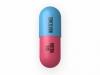

Sinequan
| Active ingredient | Doxepin |
|---|---|
| Mechanism of action | Tricyclic antidepressant that blocks the reuptake of norepinephrine and serotonin |
| Common dose | Typically 25 mg at bedtime; dosage may be adjusted by a physician |
| What is it used for? | Depression, anxiety disorders, insomnia, and related conditions |
| Important information on taking | Take at night due to sedation; do not abruptly discontinue; monitor for mood changes; avoid alcohol |
| Common side effects | Dry mouth, drowsiness, dizziness, weight gain, constipation |
| Serious risks | Cardiac arrhythmia, severe sedation, suicidal thoughts, seizures, serotonin syndrome |
| Interactions | Increased risk with MAO inhibitors, other CNS depressants, certain antihistamines, and drugs metabolized by CYP2D6 |
| Contraindications | Hypersensitivity to doxepin, recent MI, severe hepatic or cardiac disease, concurrent MAO inhibitor therapy |
| Legal status | Prescription-only medication |
Understanding Sinequan and its purpose
Understanding the definition and mechanism of action of Sinequan
Sinequan is an antidepressant medication classified as a tricyclic compound. It is prescribed primarily for the relief of major depressive disorder. The drug functions by inhibiting the reuptake of serotonin and norepinephrine in the central nervous system. This inhibition leads to increased concentrations of these neurotransmitters, which modulate mood and emotional behavior. The prolonged elevation of serotonin and norepinephrine enhances synaptic transmission and stabilizes neural networks involved in affect regulation. Pharmacodynamically, Sinequan also exhibits antagonistic activity at several histamine h1 and muscarinic acetylcholine receptors contributing to its sedative properties. The combined reuptake blockade and receptor antagonism result in a gradual improvement of depressive symptoms over weeks of therapy.
Pharmacodynamics and pharmacological profile of Sinequan
Sinequan is a medication used to improve mood by modifying brain chemistry. It works primarily by blocking the reabsorption of serotonin and norepinephrine that regulate emotional signals. This blockade increases the availability of these neurotransmitters in the synaptic space leading to enhanced signaling. Sinequan also blocks certain histamine receptors which contributes to its sedative effect. The combined action on neurotransmitter reuptake and receptor antagonism produces antidepressant and anxiolytic outcomes. In summary the drug provides mood elevation while modulating physiological responses involved in sleep and anxiety.
When Sinequan is indicated
| Depression | Typical dose: 25 mg once daily; usually taken for 2-3 weeks as initial treatment |
|---|---|
| Anxiety | Typical dose: 10 mg once daily; continued for several months as prescribed |
| Insomnia | Typical dose: 50 mg at bedtime; used short-term (2-4 weeks) |
Common side effects of Sinequan
Side effects of Sinequan you should know about
Sinequan may cause drowsiness or fatigue in some individuals. It can lead to dry mouth blurred vision or constipation as anticholinergic effects. Weight changes such as gain or loss have been reported. Cardiac effects including palpitations or low blood pressure may occur. Some users experience dizziness headache or tremors. Less common but serious side effects can involve liver enzyme elevation or severe allergic reactions.
Essential considerations before taking Sinequan
Sinequan may cause dry mouth and throat. It can lead to drowsiness or fatigue in some individuals. Patients sometimes experience dizziness or lightheadedness when standing up quickly. Weight gain and changes in appetite have been reported. Occasional sexual dysfunction including reduced libido or difficulty achieving orgasm can occur. The medication may cause constipation or difficulty with bowel movements. Blurred vision or sensitivity to bright light is another possible effect. In rare cases dizziness upon standing or a drop in blood pressure may be observed.
Common reactions associated with Sinequan
- Drowsiness
- Dry mouth
- Dizziness
- Blurred vision
- Weight gain
- Constipation
Sinequan (doxepin) is an older antidepressant discontinued in most markets due to safety concerns and the availability of safer alternatives. It carried significant risks like sedation, weight gain, and cardiac toxicity, especially in overdose, making it unsuitable for modern use. do not seek or use Sinequan without explicit medical supervision-it is not prescribed today and poses unnecessary dangers. If you're exploring treatment for anxiety or insomnia, consult a healthcare provider about current, evidence-based options like ssris or low-dose doxepin only under professional guidance. Always prioritize professional medical advice over outdated medication names to ensure safe, effective care. Self-medicating with discontinued drugs can lead to severe health risks.
 Kevin Thomas O'Mara, M.D.
: ABEM Certified, Emergency Medicine
Kevin Thomas O'Mara, M.D.
: ABEM Certified, Emergency Medicine

 David P. Bryant, D.O.
: ABEM Certified, Emergency Medicine
David P. Bryant, D.O.
: ABEM Certified, Emergency Medicine

 Maia Dorsett, M.D., Ph.D.
: ABEM Certified, Board Certification, Emergency Medical Services, Emergency Medicine
Maia Dorsett, M.D., Ph.D.
: ABEM Certified, Board Certification, Emergency Medical Services, Emergency Medicine
 Matthew Adam Von Zimmerman, D.O.
: ABEM Certified, Emergency Medicine
Matthew Adam Von Zimmerman, D.O.
: ABEM Certified, Emergency Medicine
 Cassidy Cunningham
: ABEM Certified, Emergency Medicine
Cassidy Cunningham
: ABEM Certified, Emergency Medicine
 Ben Preiss
: ABEM Certified, Emergency Medicine
Ben Preiss
: ABEM Certified, Emergency Medicine
 Amy R McManus, M.D.
: ABEM Certified, Emergency Medicine
Amy R McManus, M.D.
: ABEM Certified, Emergency Medicine
 Noah Tal Kaufman, M.D.
: ABEM Certified, Emergency Medicine
Maia Dorsett, M.D., Ph.D.
: ABEM Certified, Board Certification, Emergency Medical Services, Emergency Medicine
Noah Tal Kaufman, M.D.
: ABEM Certified, Emergency Medicine
Maia Dorsett, M.D., Ph.D.
: ABEM Certified, Board Certification, Emergency Medical Services, Emergency Medicine
 Thomas Peterson, D.O.
: ABEM Certified, Emergency Medicine
Thomas Peterson, D.O.
: ABEM Certified, Emergency Medicine
 Dhimitri Arian Nikolla, D.O.
: ABEM Certified, Emergency Medicine
Dhimitri Arian Nikolla, D.O.
: ABEM Certified, Emergency Medicine


| Shipping method | Delivery time | Price | |
| Airmail service Delivery | 14-21 days | 14.95$ | Tracking# available in 4 days |
| Trackable service Delivery | 9-14 days | 30$ | Tracking# available in 2 days |
- Shipping worldwide
- Confidentiality and anonymity guarantee
- Safe and secure
- Discrete looking packages
- Dispatch orders within 24 hours
- 100% success delivery