


- Bestsellers
- Alcoholism
- Allergy
- Alzheimers
- Anti Fungal
- Anti Viral
- Anti-Depressants
- Anti-Inflammatory
- Antibacterial
- Antibiotics
- Antiparasitic
- Arthritis
- Asthma
- Birth Control
- Blood Pressure
- COVID-19
- Cancer
- Cardiovascular
- Cholesterol
- Diabetes
- Diuretics
- Erectile Dysfunction
- Eye Drop
- Gastro Health
- General Health
- HIV
- Hair Loss
- Hepatitis C Virus (HCV)
- Herbals
- Hormones
- Men's ED Packs
- Men's Health
- Mental Illness
- Motion Sickness
- Muscle Relaxant
- Pain Relief
- Parkinson’s Disease
- Quit Smoking
- Skin Care
- Sleeping Aids
- Veterinary Medicines
- Vitamins
- Weight Loss
- Women's Health
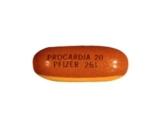
Procardia ( Nifedipine )

Procardia
| Active ingredient | Nifedipine |
|---|---|
| Mechanism of action | Calcium channel blocker that relaxes blood vessels |
| Common dose | 5 mg, 10 mg tablets |
| What is it used for? | Hypertension and angina |
| Important information on taking | Take with or without food, swallow whole |
| Common side effects | Headache, flushing, ankle swelling |
| Serious risks | Rapid heart rate, low blood pressure |
| Interactions | Avoid with strong CYP3A4 inhibitors |
| Contraindications | Severe liver disease |
| Legal status | Prescription medication |
A closer look at Procardia and how it works
How Procardia works in the body: definition and pharmacological action
Procardia is a brand name for the calcium channel blocker nifedipine used to treat hypertension and certain types of angina. It works by relaxing blood vessels, which reduces the workload on the heart and improves blood flow. Nifedipine belongs to the dihydropyridine class of calcium channel blockers that selectively block l-type calcium channels in vascular smooth muscle. Blocking these channels prevents calcium influx, leading to decreased vasomotor tone and vasodilation of arterial walls. The resulting relaxation of peripheral arteries lowers systemic vascular resistance and consequently reduces arterial blood pressure. This mechanism also helps relieve angina by improving oxygen delivery to cardiac tissue.
Pharmacological characteristics of Procardia
Nifedipine, marketed under the brand name Procardia, is a dihydropyridine calcium channel blocker. Its pharmacological action consists of selective inhibition of l-type calcium channels in vascular smooth muscle cells. Activation of the block leads to reduced intracellular calcium levels, causing relaxation of arterial walls. This vasodilatory effect lowers peripheral vascular resistance, which in turn decreases systemic blood pressure. By primarily acting on peripheral vessels rather than cardiac tissue, Procardia produces a modest influence on heart rate and contractility. The medication is prescribed for the treatment of essential hypertension and for long-term management of stable angina to improve blood flow to the heart. Its onset of action occurs within minutes of oral administration, and the therapeutic benefit is maintained as long as drug levels remain adequate. Overall, Procardia functions by modulating calcium-mediated signaling pathways in blood vessels to achieve its antihypertensive and anti-ischemic effects.
Therapeutic indications for Procardia
| Hypertension | 5-10 mg once daily; long-term treatment |
|---|---|
| Chronic stable angina | 5 mg two times daily; continued as maintenance therapy |
| Unstable angina | 10 mg once daily (initial), then adjusted; typically short-term until stabilized |
The most common side effects
Common reactions Procardia can cause
Procardia may cause a headache as a common reaction. It can also lead to dizziness or lightheadedness. Some people experience flushing or a warm sensation in the skin. Swelling of the ankles or feet may occur due to fluid retention. An increased heart rate is another possible effect. Nausea is frequently reported among users.
Essential considerations before taking Procardia
Procardia can cause headache, dizziness, or fatigue in some users. Mild nausea, swelling of the ankles, and skin flushing are also reported. Constipation, low blood pressure, and a slow heart rate may occur. These effects are generally brief and often improve with continued use. Occasionally, shortness of breath or chest discomfort might appear. Most side effects tend to lessen as the body adjusts to the medication. Clinical observations show these reactions across diverse patient groups.
Typical reactions to Procardia
- Headache
- Dizziness
- Flushing
- Peripheral edema
- Nausea
Procardia (nifedipine) is a well-established calcium-channel blocker that effectively lowers blood pressure and improves blood flow to the heart, making it a valuable option for patients with hypertension or chronic stable angina. Its once-daily or extended-release formulations provide steady plasma levels and convenient dosing, which can enhance adherence. Common side effects such as flushing, headache, or mild ankle swelling are usually transient and can often be managed with dose adjustments. Patients should take the medication with a full glass of water and avoid grapefruit products, which can interfere with its metabolism. It's important to monitor blood pressure regularly and report any sudden swelling, rapid heartbeats, or chest pain to a healthcare provider. Finally, patients should discuss any other medications or supplements they are using to avoid potentially dangerous interactions.
 Mark Alexander Sloan, M.D.
: ABEM Certified, Emergency Medicine
Mark Alexander Sloan, M.D.
: ABEM Certified, Emergency Medicine


 Douglas M. Young, D.O.
: ABEM Certified, Emergency Medicine
Douglas M. Young, D.O.
: ABEM Certified, Emergency Medicine
 Christopher Andrew McCuller, M.D.
: ABEM Certified, Emergency Medicine
Christopher Andrew McCuller, M.D.
: ABEM Certified, Emergency Medicine


| Shipping method | Delivery time | Price | |
| Airmail service Delivery | 14-21 days | 14.95$ | Tracking# available in 4 days |
| Trackable service Delivery | 9-14 days | 30$ | Tracking# available in 2 days |
- Shipping worldwide
- Confidentiality and anonymity guarantee
- Safe and secure
- Discrete looking packages
- Dispatch orders within 24 hours
- 100% success delivery