


- Bestsellers
- Alcoholism
- Allergy
- Alzheimers
- Anti Fungal
- Anti Viral
- Anti-Depressants
- Anti-Inflammatory
- Antibacterial
- Antibiotics
- Antiparasitic
- Arthritis
- Asthma
- Birth Control
- Blood Pressure
- COVID-19
- Cancer
- Cardiovascular
- Cholesterol
- Diabetes
- Diuretics
- Erectile Dysfunction
- Eye Drop
- Gastro Health
- General Health
- HIV
- Hair Loss
- Hepatitis C Virus (HCV)
- Herbals
- Hormones
- Men's ED Packs
- Men's Health
- Mental Illness
- Motion Sickness
- Muscle Relaxant
- Pain Relief
- Parkinson’s Disease
- Quit Smoking
- Skin Care
- Sleeping Aids
- Veterinary Medicines
- Vitamins
- Weight Loss
- Women's Health
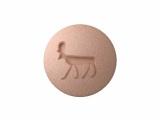
Generic Prandin ( Repaglinide )

Prandin
| Active ingredient | Repaglinide |
|---|---|
| Mechanism of action | Stimulates insulin release from pancreatic beta cells by binding to ATP-sensitive potassium channels |
| Common dose | Typically 0.5 mg, 1 mg or 2 mg taken before each main meal, up to a maximum of 4 mg per day |
| What is it used for? | Type2 diabetes mellitus |
| Important information on taking | Take immediately before meals; adjust dose based on glucose response; may be used with metformin |
| Common side effects | Hypoglycemia, weight gain, upper respiratory infections |
| Serious risks | Severe hypoglycemia, hepatic impairment |
| Interactions | Concurrent use with CYP2C8 inhibitors (e.g., gemfibrozil), glucagon, certain antibiotics |
| Contraindications | Type1 diabetes, history of hypersensitivity, diabetic ketoacidosis |
| Legal status | Prescription-only medication (Rx) in most jurisdictions |
An overview of Prandin
What is Prandin and how does it work?
Prandin is an oral antidiabetic medication that belongs to the class of meglitinide derivatives. Its active ingredient, repaglinide, works by stimulating insulin release from pancreatic beta cells in response to elevated blood glucose. By enhancing insulin secretion only when glucose levels rise, the drug helps lower postprandial hyperglycemia in patients with type 2 diabetes. This glucose-dependent mechanism reduces the risk of hypoglycemia compared with some other oral agents. The medication is rapidly absorbed after ingestion and reaches peak concentration within an hour, allowing it to act on the immediate rise in glucose after meals. It inhibits the atp-dependent potassium channels on beta cells, leading to depolarization, calcium influx, and subsequent insulin granule exocytosis. The resulting increase in circulating insulin promotes cellular glucose uptake and storage, thereby normalizing blood glucose concentrations.
Pharmacological characteristics of Prandin
Prandin is a brand name for the oral antidiabetic drug repaglinide. It belongs to the class of meglitinides that stimulate insulin release from pancreatic beta cells. The medication lowers blood glucose by enhancing rapid insulin secretion after meals. It acts by binding to the sulfonylurea receptor on beta cells which leads to increased calcium influx. This interaction triggers discharge of pre-stored insulin from secretory vesicles. The effect is limited to the postprandial period and does not affect basal glucose production. Pharmacokinetics are characterized by quick absorption rapid peak activity and short duration of action.
Therapeutic uses of Prandin
| Type 2 Diabetes Mellitus | 0.5 mg before each main meal, 2-3 times daily; long-term use as needed |
|---|---|
| Impaired Glucose Tolerance | 1 mg before each main meal, 2 times daily; typically for 6-12 weeks |
| Gestational Diabetes | 0.5 mg before each main meal, 3 times daily; throughout pregnancy |
The most common side effects
The most common side effects
The most common side effects of many medications include nausea, headache, and mild fatigue. Some people report temporary dizziness or light-headedness after dosing. Digestive discomfort such as stomach upset or diarrhea may occur. Skin reactions like redness or itching can appear in a small number of cases. Sleep disturbances, including difficulty falling asleep or restless nights, are reported. Mild flushing or warmth in the face may be experienced transiently. These effects often lessen over time as the body adjusts to the treatment.
Essential considerations before taking Prandin
Many medications can cause mild headache or dizziness in users. Some people experience temporary nausea or stomach discomfort after taking a dose. Fatigue is a frequent complaint, especially when treatment begins. Changes in appetite, such as increased or decreased hunger, may occur. Mild skin reactions, like redness or itching, are also reported. Occasional mild fever can appear as part of the body's response. Most of these effects are short lived and do not require medical attention.
Frequently reported effects of Prandin
- Hypoglycemia
- Weight gain
- Upper respiratory tract infection
- Diarrhea
- Nasopharyngitis
Prandin (repaglinide) is an effective oral medication that helps control post-prandial blood glucose by stimulating insulin release only when meals raise sugar levels. Its rapid-acting nature makes it particularly useful for patients who struggle with glucose spikes after eating. Because it must be taken just before each main meal, adherence to a consistent dosing schedule is essential for optimal results. Potential users should monitor their blood glucose closely, be aware of hypoglycemia symptoms, and avoid skipping meals or taking extra doses without medical guidance. It is also important to discuss any other medications, kidney or liver conditions, and pregnancy plans with a healthcare professional before starting Prandin. Finally, pairing the drug with a balanced diet, regular exercise, and routine glucose testing can enhance its benefits and reduce the risk of side effects.
 David Scott Duffy, M.D.
: ABEM Certified, Emergency Medicine
David Scott Duffy, M.D.
: ABEM Certified, Emergency Medicine


 Ben Preiss
: ABEM Certified, Emergency Medicine
Ben Preiss
: ABEM Certified, Emergency Medicine
 Charles Taylor
: ABEM Certified, Emergency Medicine
Charles Taylor
: ABEM Certified, Emergency Medicine
 Lynn C. Dezelon, M.D.
: ABEM Certified, Emergency Medicine
Lynn C. Dezelon, M.D.
: ABEM Certified, Emergency Medicine
 William Weir
: ABEM Certified, Board Certification, Emergency Medical Services, Emergency Medicine
William Weir
: ABEM Certified, Board Certification, Emergency Medical Services, Emergency Medicine
 Esmael Mayar, M.D.
: ABEM Certified, Advanced Emergency Medicine Ultrasonography, Emergency Medicine, Focused Practice Designation, Ultrasonography, Ultrasound
Esmael Mayar, M.D.
: ABEM Certified, Advanced Emergency Medicine Ultrasonography, Emergency Medicine, Focused Practice Designation, Ultrasonography, Ultrasound
 Jordan Biet Barnett, M.D. MBA
: ABEM Certified, Emergency Medicine
Jordan Biet Barnett, M.D. MBA
: ABEM Certified, Emergency Medicine
 Sarah Kristin Kennedy, M.D.
: ABEM Certified, Advanced Emergency Medicine Ultrasonography, Emergency Medicine, Focused Practice Designation, Ultrasonography, Ultrasound
Sarah Kristin Kennedy, M.D.
: ABEM Certified, Advanced Emergency Medicine Ultrasonography, Emergency Medicine, Focused Practice Designation, Ultrasonography, Ultrasound
 Ira Gordon Early, M.D.
: Certification, Medical Toxicology
Ira Gordon Early, M.D.
: Certification, Medical Toxicology
 Mark Lewis Friedman, M.D.
: ABEM Certified, Emergency Medicine
Mark Lewis Friedman, M.D.
: ABEM Certified, Emergency Medicine


| Shipping method | Delivery time | Price | |
| Airmail service Delivery | 14-21 days | 14.95$ | Tracking# available in 4 days |
| Trackable service Delivery | 9-14 days | 30$ | Tracking# available in 2 days |
- Shipping worldwide
- Confidentiality and anonymity guarantee
- Safe and secure
- Discrete looking packages
- Dispatch orders within 24 hours
- 100% success delivery