


- Bestsellers
- Alcoholism
- Allergy
- Alzheimers
- Anti Fungal
- Anti Viral
- Anti-Depressants
- Anti-Inflammatory
- Antibacterial
- Antibiotics
- Antiparasitic
- Arthritis
- Asthma
- Birth Control
- Blood Pressure
- COVID-19
- Cancer
- Cardiovascular
- Cholesterol
- Diabetes
- Diuretics
- Erectile Dysfunction
- Eye Drop
- Gastro Health
- General Health
- HIV
- Hair Loss
- Hepatitis C Virus (HCV)
- Herbals
- Hormones
- Men's ED Packs
- Men's Health
- Mental Illness
- Motion Sickness
- Muscle Relaxant
- Pain Relief
- Parkinson’s Disease
- Quit Smoking
- Skin Care
- Sleeping Aids
- Veterinary Medicines
- Vitamins
- Weight Loss
- Women's Health
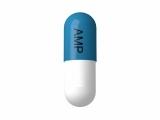
Generic Nortriptyline ( Nortriptyline Hydrochloride )

Nortriptyline
| Active ingredient | Nortriptyline hydrochloride |
|---|---|
| Mechanism of action | Tricyclic antidepressant that inhibits serotonin and norepinephrine reuptake, blocks Na+ channels, and stabilizes neuronal membranes. |
| Common dose | Typical dose 25-100 mg per day, often 75 mg daily, adjusted according to clinical response. |
| What is it used for? | Major depressive disorder; neuropathic pain; migraine prophylaxis; enuresis; anxiety disorders. |
| Important information on taking | Take at the same time each day (with or without food); therapeutic effect may take several weeks; do not abruptly stop; monitor for mood changes. |
| Common side effects | Dry mouth, drowsiness, dizziness, weight gain, constipation, sweating, blurred vision. |
| Serious risks | Increased suicidal ideation (especially in less than 24y), cardiac arrhythmias (QT prolongation), seizures, serotonin syndrome, severe hypertension. |
| Interactions | Contra-indicated with MAO inhibitors, SSRIs/SNRIs, other serotonergic agents, antiarrhythmics, b-blockers, alcohol, and CNS depressants. |
| Contraindications | Recent myocardial infarction, MAOI use within 14 days, hypersensitivity, narrow-angle glaucoma, severe hepatic/renal impairment, pregnancy (categoryC). |
| Legal status | Prescription-only medication; not scheduled in the United States; classified as a prescription drug in most jurisdictions. |
Understanding Nortriptyline and its purpose
Understanding the definition and mechanism of action of Nortriptyline
Nortriptyline is a tricyclic antidepressant that is classified as a secondary amine tricyclic compound. It is primarily used to treat major depressive disorder and to prevent migraine headaches. The medication works by inhibiting the reuptake of norepinephrine and serotonin in the central nervous system. This inhibition increases the levels of these neurotransmitters, which helps improve mood and reduce pain perception. The elevated neurotransmitter activity also affects autonomic functions such as sleep and appetite regulation. By modulating these pathways, Nortriptyline alleviates symptoms associated with depression and chronic pain. The drug is metabolized in the liver into an active form that contributes to its overall therapeutic effect. Overall, Nortriptyline functions by restoring chemical balance in the brain to achieve its clinical benefits.
Pharmacological properties of Nortriptyline
Nortriptyline is a tricyclic antidepressant that modulates the levels of certain neurotransmitters in the brain. Its primary pharmacological action involves blocking the reuptake of norepinephrine and serotonin thereby increasing their synaptic availability. This inhibition enhances the activity of these mood-regulating chemicals and helps alleviate depressive symptoms. Therapeutically Nortriptyline is prescribed to treat major depressive disorder and certain anxiety disorders. By restoring the balance of neurotransmission it improves mood energy and overall functional well-being. The medication's mechanism relies on selective blockade of reuptake transporters which prolongs the presence of norepinephrine and serotonin at their neuronal receptors.
Therapeutic indications for Nortriptyline
| Major Depressive Disorder | 25 mg 3 times daily for 4-6 weeks |
|---|---|
| Neuropathic Pain | 25 mg 2-3 times daily for several weeks to months |
| Enuresis (bedwetting) | 25 mg at bedtime, up to 6 months |
The most common side effects
Common reactions Nortriptyline can cause
Nortriptyline commonly causes dry mouth which can make swallowing uncomfortable. It often leads to drowsiness that may affect alertness during daily activities. Dizziness or lightheadedness can occur especially when standing up quickly. Some users experience weight gain due to changes in appetite and metabolism. Excessive sweating is reported as a frequent side effect. Constipation is also a typical gastrointestinal reaction.
Things you should be aware of before using Nortriptyline
Nortriptyline is a tricyclic antidepressant that works by affecting the balance of certain chemicals in the brain. One of the most frequently reported side effects is drowsiness, which can make it harder to stay alert during the day. Many users also experience dry mouth, leading to a persistent feeling of thirst. Dizziness or a sensation of light-headedness may occur, especially when standing up quickly. Constipation is another common gastrointestinal reaction that can develop over time. Weight gain is often noted as the medication influences appetite and metabolism. Some people notice blurred vision or increased sweating, both of which typically lessen as the body adjusts.
Frequently observed responses to Nortriptyline
- Drowsiness
- Dry mouth
- Weight gain
- Constipation
- Dizziness
Nortriptyline is a tricyclic antidepressant that effectively helps many people manage chronic pain and mood disturbances, but it requires careful dosing and monitoring to balance benefits with side-effects. Before starting, you should have a thorough medical evaluation to rule out contraindications such as recent heart attacks, severe liver disease, or uncontrolled glaucoma. Begin with a low dose and increase slowly under a physician's supervision to minimize dizziness, dry mouth, or constipation that often appear early on. It's essential to avoid alcohol and certain over-the-counter cold medicines, as they can amplify sedative or cardiac side-effects. Regular follow-up appointments are crucial to adjust the dose, watch for mood changes, and ensure kidney and liver function remain stable. If you notice sudden heart palpitations, rash, or severe anxiety, stop the medication and seek medical help immediately. Finally, remember that Nortriptyline is just one part of a broader treatment plan that may include counseling, lifestyle modifications, and other therapies for optimal outcomes.

 Tahisha Nicole Tolbert, M.D.
: ABEM Certified, Emergency Medicine
Tahisha Nicole Tolbert, M.D.
: ABEM Certified, Emergency Medicine
 Mathew Goebel, M.D.
: ABEM Certified, Board Certification, Emergency Medical Services, Emergency Medicine
Mathew Goebel, M.D.
: ABEM Certified, Board Certification, Emergency Medical Services, Emergency Medicine
 Luis Antonio Pellicia, M.D.
: ABEM Certified, Emergency Medicine
Luis Antonio Pellicia, M.D.
: ABEM Certified, Emergency Medicine
 Kenneth MacLeod Rice, M.D.
: ABEM Certified, Addiction, DEA, Emergency Medicine, MyEMCert, opioids, Substance Use Disorder
Kenneth MacLeod Rice, M.D.
: ABEM Certified, Addiction, DEA, Emergency Medicine, MyEMCert, opioids, Substance Use Disorder
 Esmael Mayar, M.D.
: ABEM Certified, Advanced Emergency Medicine Ultrasonography, Emergency Medicine, Focused Practice Designation, Ultrasonography, Ultrasound
Esmael Mayar, M.D.
: ABEM Certified, Advanced Emergency Medicine Ultrasonography, Emergency Medicine, Focused Practice Designation, Ultrasonography, Ultrasound
 Henry James Higby, M.D.
: ABEM Certified, Emergency Medicine
Henry James Higby, M.D.
: ABEM Certified, Emergency Medicine
 Michael McGary, M.D.
: ABEM Certified, Emergency Medicine
Michael McGary, M.D.
: ABEM Certified, Emergency Medicine
 Peter M. C. DeBlieux, M.D.
: ABEM Certified, Emergency Medicine
Peter M. C. DeBlieux, M.D.
: ABEM Certified, Emergency Medicine

 Kevin Thomas O'Mara, M.D.
: ABEM Certified, Emergency Medicine
Kevin Thomas O'Mara, M.D.
: ABEM Certified, Emergency Medicine


| Shipping method | Delivery time | Price | |
| Airmail service Delivery | 14-21 days | 14.95$ | Tracking# available in 4 days |
| Trackable service Delivery | 9-14 days | 30$ | Tracking# available in 2 days |
- Shipping worldwide
- Confidentiality and anonymity guarantee
- Safe and secure
- Discrete looking packages
- Dispatch orders within 24 hours
- 100% success delivery