


- Bestsellers
- Alcoholism
- Allergy
- Alzheimers
- Anti Fungal
- Anti Viral
- Anti-Depressants
- Anti-Inflammatory
- Antibacterial
- Antibiotics
- Antiparasitic
- Arthritis
- Asthma
- Birth Control
- Blood Pressure
- COVID-19
- Cancer
- Cardiovascular
- Cholesterol
- Diabetes
- Diuretics
- Erectile Dysfunction
- Eye Drop
- Gastro Health
- General Health
- HIV
- Hair Loss
- Hepatitis C Virus (HCV)
- Herbals
- Hormones
- Men's ED Packs
- Men's Health
- Mental Illness
- Motion Sickness
- Muscle Relaxant
- Pain Relief
- Parkinson’s Disease
- Quit Smoking
- Skin Care
- Sleeping Aids
- Veterinary Medicines
- Vitamins
- Weight Loss
- Women's Health
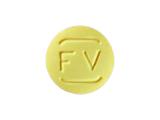
Generic Nitrofurantoin


Nitrofurantoin
| Active ingredient | Nitrofurantoin |
|---|---|
| Mechanism of action | Bacterial uptake followed by intracellular reduction to reactive metabolites that damage DNA and other cellular components, leading to bactericidal activity primarily against Gram-negative and some Gram-positive uropathogens. |
| Common dose | 100 mg orally twice daily (often given as 100 mg four times daily for 5-7 days depending on formulation and indication). |
| What is it used for? | Treatment of uncomplicated lower urinary tract infections (cystitis) caused by susceptible organisms. |
| Important information on taking | Take with food or milk to improve absorption; complete the full prescribed course; maintain adequate hydration; avoid in patients with severe renal impairment (creatinine clearance less than 30 mL/min). |
| Common side effects | Nausea, loss of appetite, headache, diarrhea, flatulence, vaginal irritation or discharge, rash. |
| Serious risks | Pulmonary toxicity (interstitial lung disease, hypersensitivity pneumonitis), hepatic injury, peripheral neuropathy, severe hypersensitivity reactions, hemolysis in G6PD-deficient patients. |
| Interactions | May increase effect of warfarin; reduced efficacy with probenecid; potential interaction with magnesium-containing antacids; avoid concurrent use with other nitrofurantoin products. |
| Contraindications | Hypersensitivity to nitrofurantoin, severe renal impairment (CrCl less than 30 mL/min), pregnancy at term or during labor, and in patients with known G6PD deficiency when risk outweighs benefit. |
| Legal status | Prescription-only medication (Rx) in most jurisdictions; not a controlled substance; may require special authority in some countries. |
Understanding Nitrofurantoin and its purpose
How Nitrofurantoin works in the body: definition and pharmacological action
Nitrofurantoin is an oral antimicrobial medication used primarily for treating urinary tract infections. It works by interfering with bacterial energy production. The drug is converted intracellularly to active metabolites that inhibit multiple bacterial enzymes. This inhibition leads to reduced synthesis of dna rna and other essential components in susceptible organisms. The overall effect results in bacterial cell death and eradication of infection. Therapeutically it is administered to achieve concentrations in the urine that target common uropathogenic bacteria.
Understanding the pharmacological properties of Nitrofurantoin
Nitrofurantoin is an oral antibacterial medication used primarily to treat uncomplicated urinary tract infections. It works by being converted inside bacterial cells into reactive metabolites that bind to essential enzymes. These conjugated forms interfere with bacterial dna and protein synthesis, leading to rapid killing of the pathogen. The drug exhibits good urinary excretion, ensuring high concentrations of the active metabolites directly in the bladder. Because it is selective for gram-negative and some gram-positive organisms, it is particularly effective against common uropathogens. Its pharmacokinetic profile includes rapid absorption in the gastrointestinal tract and clearance primarily by the kidneys. The activated species generate oxidative stress within the bacterial cell, disrupting mitochondrial-like functions and causing cell death. Overall, Nitrofurantoin provides a targeted, bactericidal action that makes it a convenient option for short-term urinary infection treatment.
Therapeutic uses of Nitrofurantoin
| Acute cystitis | 100 mg orally, 2-3 times a day for 5-7 days |
|---|---|
| Complicated urinary tract infection | 100 mg orally, 2 times a day for 7-14 days |
| Enteric infection due to susceptible bacterial strains | 100 mg orally, 4 times a day for 21 days |
Common reactions Nitrofurantoin can cause
Side effects of Nitrofurantoin you should know about
Nitrofurantoin is commonly used to treat certain urinary tract infections. Some patients experience nausea, loss of appetite, or mild stomach discomfort. Headache, dizziness, and occasional fatigue are also reported side effects. In rare cases, the medication can cause skin reactions such as rash or itching. Allergic responses may lead to shortness of breath or swelling of the face and throat. Liver dysfunction, indicated by yellowing of the skin or eyes, requires immediate attention. Rarely, peripheral nerve damage can result in numbness or tingling in the extremities. Monitoring for changes in urine color, such as a pink or red tint, is advisable during treatment.
Essential considerations before taking Nitrofurantoin
Nitrofurantoin may cause nausea, headache, or loss of appetite in some patients. It can occasionally lead to respiratory symptoms such as cough or shortness of breath. Some individuals experience peripheral neuropathy, resulting in tingling or numbness in the extremities. Rarely, liver enzyme elevations may occur, which are usually detected through routine blood tests. Allergic reactions, including skin rash or itching, have been reported in a small number of cases. These effects are generally mild and often resolve after discontinuation of the medication.
Frequently reported effects of Nitrofurantoin
- Nausea
- Headache
- Diarrhea
- Loss of appetite
- Skin rash
Nitrofurantoin remains an effective, targeted antibiotic for uncomplicated lower urinary-tract infections, but its use demands careful adherence to prescribed dosing and duration. Potential users should always complete the full course, even if symptoms improve, to prevent resistance. It is safest when taken with food or a full glass of water to minimize stomach upset. Before starting treatment, inform your healthcare provider of any kidney impairment, allergies, or concurrent medications, especially those that affect the lungs or nerves. Avoid using Nitrofurantoin for infections that are not confirmed to be bacterial, and never self-medicate without a prescription. Finally, monitor for side effects such as nausea, headache, or skin rash, and seek medical attention promptly if you experience shortness of breath, chest pain, or severe allergic reactions. By following these precautions, patients can maximize the drug's benefits while safeguarding their health.
 Zia Ur Rehman, D.O.
: ABEM Certified, Emergency Medicine
Zia Ur Rehman, D.O.
: ABEM Certified, Emergency Medicine

 Luis Antonio Pellicia, M.D.
: ABEM Certified, Emergency Medicine
Luis Antonio Pellicia, M.D.
: ABEM Certified, Emergency Medicine
 Peter M. C. DeBlieux, M.D.
: ABEM Certified, Emergency Medicine
Peter M. C. DeBlieux, M.D.
: ABEM Certified, Emergency Medicine
 Michael Francis Spigner, MD, NRP
: ABEM Certified, Board Certification, Emergency Medical Services, Emergency Medicine
Michael Francis Spigner, MD, NRP
: ABEM Certified, Board Certification, Emergency Medical Services, Emergency Medicine
 Jacob Bledsoe
: ABEM Certified, Emergency Medicine
Jacob Bledsoe
: ABEM Certified, Emergency Medicine
 Daniel Keyes, M.D., M.P.H.
: ABEM Certified, Certification, Emergency Medicine, Medical Toxicology
Daniel Keyes, M.D., M.P.H.
: ABEM Certified, Certification, Emergency Medicine, Medical Toxicology
 Esmael Mayar, M.D.
: ABEM Certified, Advanced Emergency Medicine Ultrasonography, Emergency Medicine, Focused Practice Designation, Ultrasonography, Ultrasound
Esmael Mayar, M.D.
: ABEM Certified, Advanced Emergency Medicine Ultrasonography, Emergency Medicine, Focused Practice Designation, Ultrasonography, Ultrasound
 Maia Dorsett, M.D., Ph.D.
: ABEM Certified, Board Certification, Emergency Medical Services, Emergency Medicine
Maia Dorsett, M.D., Ph.D.
: ABEM Certified, Board Certification, Emergency Medical Services, Emergency Medicine
 Adam Ethan Leisy, M.D.
: ABEM Certified, Board Certification, Emergency Medical Services, Emergency Medicine
Zia Ur Rehman, D.O.
: ABEM Certified, Emergency Medicine
Adam Ethan Leisy, M.D.
: ABEM Certified, Board Certification, Emergency Medical Services, Emergency Medicine
Zia Ur Rehman, D.O.
: ABEM Certified, Emergency Medicine


| Shipping method | Delivery time | Price | |
| Airmail service Delivery | 14-21 days | 14.95$ | Tracking# available in 4 days |
| Trackable service Delivery | 9-14 days | 30$ | Tracking# available in 2 days |
- Shipping worldwide
- Confidentiality and anonymity guarantee
- Safe and secure
- Discrete looking packages
- Dispatch orders within 24 hours
- 100% success delivery