


- Bestsellers
- Alcoholism
- Allergy
- Alzheimers
- Anti Fungal
- Anti Viral
- Anti-Depressants
- Anti-Inflammatory
- Antibacterial
- Antibiotics
- Antiparasitic
- Arthritis
- Asthma
- Birth Control
- Blood Pressure
- COVID-19
- Cancer
- Cardiovascular
- Cholesterol
- Diabetes
- Diuretics
- Erectile Dysfunction
- Eye Drop
- Gastro Health
- General Health
- HIV
- Hair Loss
- Hepatitis C Virus (HCV)
- Herbals
- Hormones
- Men's ED Packs
- Men's Health
- Mental Illness
- Motion Sickness
- Muscle Relaxant
- Pain Relief
- Parkinson’s Disease
- Quit Smoking
- Skin Care
- Sleeping Aids
- Veterinary Medicines
- Vitamins
- Weight Loss
- Women's Health

Generic Fluorouracil
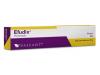

Fluorouracil
| Active ingredient | Fluorouracil (5-fluorouracil) |
|---|---|
| Mechanism of action | Pyrimidine analog that inhibits thymidylate synthase, interfering with DNA synthesis |
| Common dose | Typically 5-fluorouracil 500-1000 mg/m2 weekly IV or oral capecitabine 1000 mg/m2 twice daily according to protocol |
| What is it used for? | Treatment of colorectal, breast, pancreatic, gastric, and skin cancers |
| Important information on taking | Must be administered under medical supervision; infusion schedule varies; hydration and monitoring of blood counts required |
| Common side effects | Nausea, diarrhea, irritation of skin, anemia, neutropenia, mucositis |
| Serious risks | Cardiotoxicity, severe gastrointestinal toxicity, organ toxicity, life-threatening neutropenia |
| Interactions | Potential interaction with anticoagulants, antimetabolites, and certain vaccines; inform provider of all medicines |
| Contraindications | Pregnancy, breastfeeding, severe renal or hepatic impairment, known hypersensitivity to fluorinated pyrimidines |
| Legal status | Prescription-only medication (controlled substance in some jurisdictions) |
A closer look at Fluorouracil and how it works
Definition and mechanism of action of Fluorouracil
Fluorouracil is an antimetabolite chemotherapy drug used primarily for treating certain cancers. Its chemical structure resembles the naturally occurring pyrimidine uracil, allowing it to interfere with dna and rna synthesis. By inhibiting the enzyme thymidylate synthase, it blocks the conversion of deoxyuridine monophosphate to thymidine monophosphate, preventing normal nucleotide production. This inhibition leads to the accumulation of toxic metabolites that trigger dna damage and cell death in rapidly dividing tumor cells. The drug also modulates immune response by increasing the expression of certain cytokines that enhance tumor cell recognition and destruction. Consequently patients receiving Fluorouracil may experience tumor reduction and prolonged disease control as a result of these cellular effects.
Understanding the pharmacological properties of Fluorouracil
Fluorouracil is an anticancer medication used to treat several types of solid tumors. It belongs to a class of drugs called antimetabolites that interfere with normal cellular metabolism. The drug mimics the natural building block uracil, a component of rna. Once inside cancer cells, it is converted into active metabolites that block the synthesis of thymidine, a dna precursor. This inhibition stops dna replication and prevents cancer cells from dividing. By disrupting rna and dna production, Fluorouracil selectively targets rapidly dividing tumor cells. Its therapeutic effect relies on the preferential activation of the drug in cancer tissues due to abnormal enzymes. The resulting metabolic blockade leads to cell death in the growing tumor.
Conditions treated with Fluorouracil
| Colorectal cancer | Bolus 425 mg/m2 weekly (1 week of treatment, 2 weeks off) |
|---|---|
| Breast cancer | Continuous infusion 650 mg/m2 daily for 1 week combined with trastuzumab; dose given 1 time per week for 6 weeks |
| Gastric cancer | Bolus 5-FU 650 mg/m2 weekly or 5-day infusion 1000 mg/m2 daily for 5 days every 2 weeks; typical course 3-6 months |
Side effects of Fluorouracil
Common reactions Fluorouracil can cause
Fluorouracil often leads to nausea because it interferes with rapidly dividing cells in the stomach. It can also cause diarrhea as the intestinal lining is similarly affected. Mouth sores and a sore throat are common due to irritation of the mucous membranes. The drug may lower white blood cell counts, increasing the risk of infections. Skin reactions such as rash or dryness can appear on areas exposed to sunlight. Fatigue is frequently reported as the body copes with the cellular stress. Some patients experience temporary hair thinning, though complete hair loss is less common.
Key factors to keep in mind before using
Fluorouracil is a chemotherapy medication used to treat certain cancers. It can cause inflammation of the skin and increased sensitivity to sunlight. Patients may experience nausea, vomiting, and loss of appetite. Some individuals develop diarrhea or constipation. Mouth sores and dryness are also reported. Blood cell counts can drop leading to fatigue and susceptibility to infection. These effects vary among individuals and are typically monitored by healthcare professionals.
Common effects experienced with Fluorouracil
- Nausea
- Vomiting
- Diarrhea
- Mucositis
- Hair loss
- Myelosuppression
Fluorouracil remains a cornerstone of modern chemotherapy, offering significant benefits for a variety of cancers while demanding careful handling and monitoring. Patients should adhere strictly to prescribed dosing schedules and report any signs of severe skin irritation, mouth sores, or unexplained fevers without delay. It is essential to maintain regular blood tests and imaging studies so that healthcare providers can promptly adjust treatment if toxicity emerges. Because Fluorouracil can interact with certain medications and herbal supplements, a complete medication list should be shared with the oncology team before each cycle. Adequate hydration, a nutrient-rich diet, and gentle oral care can help mitigate common side effects such as nausea and mucositis. Women of child-bearing potential must employ reliable contraception throughout therapy and for a substantial period afterward, as the drug can harm a developing fetus. Finally, staying informed and maintaining open communication with the care team empowers patients to navigate treatment safely and maximize the chance of a favorable outcome.
 Thomas Peterson, D.O.
: ABEM Certified, Emergency Medicine
Thomas Peterson, D.O.
: ABEM Certified, Emergency Medicine

 Michael Francis Spigner, MD, NRP
: ABEM Certified, Board Certification, Emergency Medical Services, Emergency Medicine
Michael Francis Spigner, MD, NRP
: ABEM Certified, Board Certification, Emergency Medical Services, Emergency Medicine
 Cassidy Cunningham
: ABEM Certified, Emergency Medicine
Cassidy Cunningham
: ABEM Certified, Emergency Medicine
 Jose C. Maria-Rios, M.D.
: ABEM, ABEM Certified, Critical Care, Emergency Medicine, Internal Medicine
Jose C. Maria-Rios, M.D.
: ABEM, ABEM Certified, Critical Care, Emergency Medicine, Internal Medicine
 Peter M. C. DeBlieux, M.D.
: ABEM Certified, Emergency Medicine
Peter M. C. DeBlieux, M.D.
: ABEM Certified, Emergency Medicine


| Shipping method | Delivery time | Price | |
| Airmail service Delivery | 14-21 days | 14.95$ | Tracking# available in 4 days |
| Trackable service Delivery | 9-14 days | 30$ | Tracking# available in 2 days |
- Shipping worldwide
- Confidentiality and anonymity guarantee
- Safe and secure
- Discrete looking packages
- Dispatch orders within 24 hours
- 100% success delivery