


- Bestsellers
- Alcoholism
- Allergy
- Alzheimers
- Anti Fungal
- Anti Viral
- Anti-Depressants
- Anti-Inflammatory
- Antibacterial
- Antibiotics
- Antiparasitic
- Arthritis
- Asthma
- Birth Control
- Blood Pressure
- COVID-19
- Cancer
- Cardiovascular
- Cholesterol
- Diabetes
- Diuretics
- Erectile Dysfunction
- Eye Drop
- Gastro Health
- General Health
- HIV
- Hair Loss
- Hepatitis C Virus (HCV)
- Herbals
- Hormones
- Men's ED Packs
- Men's Health
- Mental Illness
- Motion Sickness
- Muscle Relaxant
- Pain Relief
- Parkinson’s Disease
- Quit Smoking
- Skin Care
- Sleeping Aids
- Veterinary Medicines
- Vitamins
- Weight Loss
- Women's Health
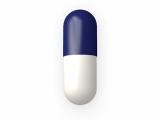
Generic Cymbalta ( Duloxetine )


Cymbalta
| Active ingredient | duloxetine |
|---|---|
| Mechanism of action | Serotonin-norepinephrine reuptake inhibitor (SNRI) |
| Common dose | Typically 30 mg or 60 mg once daily, may be adjusted by physician |
| What is it used for? | Depression, generalized anxiety disorder, diabetic peripheral neuropathy, fibromyalgia |
| Important information on taking | Take with or without food; do not abruptly stop; monitor for suicidal thoughts in younger patients |
| Common side effects | Nausea, dry mouth, fatigue, dizziness, constipation |
| Serious risks | Increased suicidal ideation, serotonin syndrome, liver injury, severe hypertension |
| Interactions | MAO inhibitors, certain antifungals, SSRIs, SNRIs, some herbal supplements (e.g., St. John's wort) |
| Contraindications | Hypersensitivity to duloxetine, recent MAO inhibitor use, uncontrolled narrow-angle glaucoma |
| Legal status | Prescription-only medication (Rx) in most jurisdictions |
Exploring the basics of Cymbalta
Understanding the definition and mechanism of action of Cymbalta
Cymbalta is a brand name for the selective serotonin and norepinephrine reuptake inhibitor duloxetine used primarily to treat major depressive disorder. It works by increasing the levels of serotonin and norepinephrine in the brain, which helps regulate mood and alleviate depressive symptoms. In addition to depression, Cymbalta is approved for the management of generalized anxiety disorder, diabetic peripheral neuropathy, and fibromyalgia. By modulating the reuptake of these neurotransmitters, Cymbalta enhances synaptic availability, leading to improved transmission of mood-stabilizing signals. The increased neurotransmitter concentration also contributes to its analgesic effects, reducing the perception of neuropathic pain. Pharmacokinetically, Cymbalta is absorbed orally, reaches peak plasma concentrations within several hours, and is metabolized primarily by the liver enzyme cyp2d6 and cyp3a4. The resulting metabolites are eliminated renally, maintaining therapeutic concentrations over a typical dosing interval of 24 hours. Overall the drug's mechanism links heightened serotonergic and noradrenergic tone to both its antidepressant and pain-relieving actions.
Pharmacological characteristics of Cymbalta
Cymbalta is a pharmaceutical product whose generic name is duloxetine and it belongs to the class of serotonin-norepinephrine reuptake inhibitors. Its primary therapeutic role is to modulate mood and pain perception by increasing the levels of serotonin and norepinephrine in the central nervous system. The drug works by blocking the reabsorption of these neurotransmitters, thereby prolonging their activity across neuronal synapses. This dual inhibition enhances the descending inhibitory pathways that reduce the transmission of nociceptive signals. As a result, patients experience decreased neuropathic pain and improved emotional stability. The interaction with serotonergic and noradrenergic receptors leads to downstream effects that regulate mood circuits and sensory processing. Through this balanced alteration of neurotransmitter tone Cymbalta provides a clinically significant benefit for conditions such as major depressive disorder and generalized anxiety disorder.
Conditions treated with Cymbalta
| Depression | Typical dose: 30 mg once daily; duration: several weeks to months. |
|---|---|
| Generalized Anxiety Disorder | Typical dose: 60 mg once daily; duration: often several months. |
| Fibromyalgia | Typical dose: 60 mg once daily; duration: chronic management, usually long-term. |
Common reactions Cymbalta can cause
Side effects of Cymbalta
Cymbalta is a medication frequently prescribed for depression and anxiety. Its most common side effects include nausea, dry mouth, and fatigue. Some users experience dizziness, decreased appetite, or excessive sweating. Less frequently, weight changes and sexual dysfunction may occur. Rarely, more serious reactions such as liver problems or serotonin syndrome can develop. Awareness of these effects helps patients and clinicians monitor treatment response.
What to know before starting Cymbalta
Cymbalta is a prescription medication used to treat depression and certain anxiety disorders. Common side effects may include nausea dry mouth and fatigue. Some people experience dizziness or difficulty sleeping while taking the drug. Less frequent adverse reactions can involve increased sweating or mild weight loss. In rare cases the medication may cause a rash or mild liver enzyme elevations. Long-term use can sometimes lead to emotional blunting or a sense of numbness. Patients should monitor how they feel and report persistent or worsening symptoms to their prescriber.
Frequently reported effects of Cymbalta
- Nausea
- Dry mouth
- Insomnia
- Fatigue
- Dizziness
- Constipation
Cymbalta (duloxetine) is an effective option for managing major depressive disorder, generalized anxiety, and certain chronic pain conditions, thanks to its dual action on serotonin and norepinephrine pathways. However, its full therapeutic benefits often require several weeks to manifest, so patience and consistent dosing are essential. Common side-effects such as nausea, dry mouth, dizziness, or fatigue usually improve with time, but persistent or severe symptoms should prompt a timely discussion with a healthcare provider. It is also advisable to taper the medication gradually under medical supervision to avoid withdrawal syndromes and to monitor any changes in mood, especially in the early treatment phase. Maintaining a regular schedule, staying hydrated, and avoiding alcohol or other cns depressants can help mitigate adverse reactions. Finally, always inform your clinician about any concurrent medications or medical conditions to ensure a safe and personalized treatment plan.
 Antony Awad, D.O., M.S.
: ABEM Certified, Emergency Medicine
Antony Awad, D.O., M.S.
: ABEM Certified, Emergency Medicine

 Robert Charles Ford III, D.O.
: ABEM Certified, Addiction, DEA, Emergency Medicine, MyEMCert, opioids, Substance Use Disorder
Robert Charles Ford III, D.O.
: ABEM Certified, Addiction, DEA, Emergency Medicine, MyEMCert, opioids, Substance Use Disorder
 Lynn C. Dezelon, M.D.
: ABEM Certified, Emergency Medicine
Lynn C. Dezelon, M.D.
: ABEM Certified, Emergency Medicine
 Robert Charles Ford III, D.O.
: ABEM Certified, Addiction, DEA, Emergency Medicine, MyEMCert, opioids, Substance Use Disorder
Robert Charles Ford III, D.O.
: ABEM Certified, Addiction, DEA, Emergency Medicine, MyEMCert, opioids, Substance Use Disorder


| Shipping method | Delivery time | Price | |
| Airmail service Delivery | 14-21 days | 14.95$ | Tracking# available in 4 days |
| Trackable service Delivery | 9-14 days | 30$ | Tracking# available in 2 days |
- Shipping worldwide
- Confidentiality and anonymity guarantee
- Safe and secure
- Discrete looking packages
- Dispatch orders within 24 hours
- 100% success delivery