


- Bestsellers
- Alcoholism
- Allergy
- Alzheimers
- Anti Fungal
- Anti Viral
- Anti-Depressants
- Anti-Inflammatory
- Antibacterial
- Antibiotics
- Antiparasitic
- Arthritis
- Asthma
- Birth Control
- Blood Pressure
- COVID-19
- Cancer
- Cardiovascular
- Cholesterol
- Diabetes
- Diuretics
- Erectile Dysfunction
- Eye Drop
- Gastro Health
- General Health
- HIV
- Hair Loss
- Hepatitis C Virus (HCV)
- Herbals
- Hormones
- Men's ED Packs
- Men's Health
- Mental Illness
- Motion Sickness
- Muscle Relaxant
- Pain Relief
- Parkinson’s Disease
- Quit Smoking
- Skin Care
- Sleeping Aids
- Veterinary Medicines
- Vitamins
- Weight Loss
- Women's Health
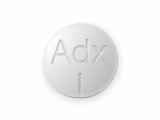
Generic Anastrozole


Anastrozole
| Active ingredient | Anastrozole |
|---|---|
| Mechanism of action | Aromatase inhibitor |
| Common dose | 1 mg tablet, once daily |
| What is it used for? | Treatment of breast cancer in postmenopausal women |
| Important information on taking | Take exactly as prescribed, usually once daily, with or without food. Do not adjust dose without medical advice. |
| Common side effects | Hot flashes, joint pain, osteoporosis, nausea, fatigue |
| Serious risks | Increased heart disease risk, bone fractures, liver complications |
| Interactions | May interact with hormonal therapies, SSRIs, and CYP3A4-metabolized drugs. Inform doctor of all medications. |
| Contraindications | Hypersensitivity to anastrozole, severe liver disease, pregnancy, breastfeeding |
| Legal status | Prescription-only medication (requires doctor's prescription) |
Exploring the basics of Anastrozole
Definition, therapeutic role, and mechanism of action of Anastrozole
Anastrozole is an oral medication that belongs to the class of aromatase inhibitors. It is prescribed primarily for the treatment of hormone receptor positive breast cancer in postmenopausal women. The drug works by blocking the enzyme aromatase, which converts androgens into estrogen in peripheral tissues. By reducing systemic estrogen levels, it slows the growth of estrogen dependent tumor cells. The decrease in estrogen removes the proliferative stimulus that fuels tumor progression. This mechanism provides a targeted therapeutic effect without directly interfering with other hormonal pathways.
Pharmacodynamics and pharmacological profile of Anastrozole
Anastrozole is a medication classified as an aromatase inhibitor used in hormone-dependent breast cancer. It works by blocking the enzyme aromatase which converts androgens into estrogen in peripheral tissues. By reducing systemic estrogen levels it slows the growth of estrogen-responsive tumor cells. The pharmacodynamic effect of Anastrozole is a marked decrease in circulating estradiol concentrations with only modest changes in testosterone. Its pharmacokinetic profile shows high oral bioavailability and extensive binding to plasma proteins over several days. The drug is metabolized mainly by the liver cytochrome p450 enzymes and eliminated primarily through hepatic excretion. Because it does not directly antagonize the estrogen receptor it avoids some of the side effects associated with anti-estrogen therapies. Overall Anastrozole provides a targeted reduction of estrogen that underlies its clinical efficacy in post-menopausal breast cancer.
Therapeutic uses of Anastrozole
| Breast cancer (adjuvant) | 1 mg daily for 5 years |
|---|---|
| Post-menopausal osteoporosis prevention | 1 mg daily (typically for several years) |
| Metastatic breast cancer | 1 mg daily until disease progression |
Side effects of Anastrozole
The most common side effects
Many people experience mild headaches, which are usually temporary. Some may feel nausea or occasional dizziness after consumption. Fatigue can occur, especially during the initial adjustment period. Changes in appetite are reported by a minority of users. Mild skin reactions such as rash or itching can appear. Temporary digestive disturbances like gas or bloating are also possible. Most side effects tend to lessen as the body adapts over time.
What to know before starting Anastrozole
Common side effects often include mild headaches and occasional dizziness. Some people experience temporary nausea or stomach discomfort after use. Fatigue or mild insomnia can occur in a minority of users. Skin reactions such as redness or itching are reported occasionally. In rare cases, individuals may notice changes in taste sensation. These effects are generally short lived and resolve without intervention. The frequency and intensity of symptoms can vary based on dosage and individual health factors. Most reported issues are not serious and do not require medical attention.
Frequently reported effects of Anastrozole
- Hot flashes
- Joint pain
- Bone density loss
- Fatigue
- Nausea
Anastrozole caps off its story as a cornerstone of hormone-sensitive breast-cancer therapy, offering many patients a well-tolerated, oral option that can dramatically lower recurrence risk when used as directed. It works by curbing estrogen production, which can be a powerful ally in slowing tumor growth, but it is not a one-size-fits-all solution. Before starting, be sure to discuss any existing heart, bone-health, or liver conditions with your oncologist, as these factors can influence both dosing and monitoring needs. Regular follow-up appointments and periodic blood tests are essential to catch subtle side effects early and to adjust the regimen if necessary. Women who are pregnant, planning pregnancy, or breastfeeding should avoid Anastrozole, and a reliable contraception plan should be part of the conversation. Finally, keep a medication journal to track doses, symptoms, and any lifestyle changes that may help you stay on top of your treatment journey.
 Robert Charles Ford III, D.O.
: ABEM Certified, Addiction, DEA, Emergency Medicine, MyEMCert, opioids, Substance Use Disorder
Robert Charles Ford III, D.O.
: ABEM Certified, Addiction, DEA, Emergency Medicine, MyEMCert, opioids, Substance Use Disorder

 Connor Michael Talbott, M.D.
: ABEM Certified, Emergency Medicine
Connor Michael Talbott, M.D.
: ABEM Certified, Emergency Medicine

 Amy R McManus, M.D.
: ABEM Certified, Emergency Medicine
Amy R McManus, M.D.
: ABEM Certified, Emergency Medicine
 Cassidy Cunningham
: ABEM Certified, Emergency Medicine
Cassidy Cunningham
: ABEM Certified, Emergency Medicine
 Jordan Biet Barnett, M.D. MBA
: ABEM Certified, Emergency Medicine
Jordan Biet Barnett, M.D. MBA
: ABEM Certified, Emergency Medicine


| Shipping method | Delivery time | Price | |
| Airmail service Delivery | 14-21 days | 14.95$ | Tracking# available in 4 days |
| Trackable service Delivery | 9-14 days | 30$ | Tracking# available in 2 days |
- Shipping worldwide
- Confidentiality and anonymity guarantee
- Safe and secure
- Discrete looking packages
- Dispatch orders within 24 hours
- 100% success delivery