


- Bestsellers
- Alcoholism
- Allergy
- Alzheimers
- Anti Fungal
- Anti Viral
- Anti-Depressants
- Anti-Inflammatory
- Antibacterial
- Antibiotics
- Antiparasitic
- Arthritis
- Asthma
- Birth Control
- Blood Pressure
- COVID-19
- Cancer
- Cardiovascular
- Cholesterol
- Diabetes
- Diuretics
- Erectile Dysfunction
- Eye Drop
- Gastro Health
- General Health
- HIV
- Hair Loss
- Hepatitis C Virus (HCV)
- Herbals
- Hormones
- Men's ED Packs
- Men's Health
- Mental Illness
- Motion Sickness
- Muscle Relaxant
- Pain Relief
- Parkinson’s Disease
- Quit Smoking
- Skin Care
- Sleeping Aids
- Veterinary Medicines
- Vitamins
- Weight Loss
- Women's Health
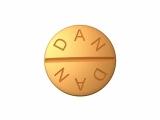
Generic Allopurinol

Allopurinol
| Active ingredient | Allopurinol |
|---|---|
| Mechanism of action | Inhibits xanthine oxidase, reducing uric acid production |
| Common dose | 100-300 mg daily (adjusted for renal function) |
| What is it used for? | Gout, hyperuricemia, certain kidney stones |
| Important information on taking | Take with water; may be taken with food; regular monitoring of kidney and liver function |
| Common side effects | Skin rash, nausea, headache, elevated liver enzymes |
| Serious risks | Stevens-Johnson syndrome, severe hepatotoxicity, agranulocytosis |
| Interactions | Azathioprine, mercaptopurine (increased toxicity); warfarin (increased INR); certain dialysis membranes |
| Contraindications | Hypersensitivity to allopurinol; severe renal impairment without dialysis; acute hepatitis |
| Legal status | Prescription-only medication (Rx) |
A closer look at Allopurinol and how it works
Definition, therapeutic role, and mechanism of action of Allopurinol
Allopurinol is a medication that reduces the production of uric acid in the body. It is used primarily to treat conditions caused by excess uric acid such as gout and certain types of kidney stones. By inhibiting the enzyme xanthine oxidase the drug lowers the conversion of hypoxanthine to uric acid. This reduction decreases the concentration of uric acid in the blood and tissues. The lower uric acid level helps prevent the formation of crystals that trigger inflammation and pain. The overall effect is a decrease in the frequency and severity of gout attacks and a reduced risk of stone recurrence.
Pharmacodynamics and pharmacological profile of Allopurinol
Allopurinol is a medication that reduces the production of uric acid in the body by inhibiting the enzyme xanthine oxidase. This inhibition slows the conversion of hypoxanthine to xanthine and xanthine to uric acid, thereby lowering serum urate levels. The reduction of uric acid helps prevent the formation of crystal deposits that cause gout attacks and kidney stones. Pharmacodynamically the drug produces a dose-dependent decrease in uric acid concentration that is sustained for several hours after each dose. Its pharmacological profile includes renal clearance of the unchanged compound and hepatic metabolism of its active metabolite oxypurinol. The primary therapeutic effect is the prophylaxis and treatment of chronic gout and the management of recurrent kidney stones.
Medical indications for Allopurinol
| Gout | 100 mg once daily, usually lifelong |
|---|---|
| Urolithiasis (kidney stones) | 300 mg once daily, long-term |
| Chronic tophaceous gout | 300 mg once daily, maintenance therapy |
Common side effects of Allopurinol
Common side effects of Allopurinol
Allopurinol can cause skin rash in some patients. It may lead to mild nausea or vomiting. Some individuals experience headache or dizziness. Elevated liver enzymes can occur without noticeable symptoms. Kidney function may be affected in rare cases. Joint pain or swelling sometimes appears during treatment. Fatigue or low energy levels are reported by certain users. Allergic reactions that affect the skin can develop in a small number of cases.
What should I note before taking Allopurinol?
The most frequently reported side effects include skin rash and itching. Some patients experience mild stomach discomfort or nausea. Headache is another common complaint reported in clinical studies. Drowsiness may occur, though it is less typical. Elevated liver enzymes are occasionally observed during treatment. Joint pain can appear, sometimes resembling gout attacks. Swelling of the lips or face has been noted in rare cases. Blood cell counts may decrease slightly, leading to increased infection risk.
Common effects experienced with Allopurinol
- Rash
- Nausea
- Vomiting
- Headache
- Dizziness
Allopurinol remains a cornerstone therapy for lowering uric acid levels and preventing gout attacks, but its success hinges on careful dosing, regular monitoring, and awareness of potential side-effects. Patients should start the medication at a low dose and increase it gradually only under the guidance of a healthcare professional to avoid sudden spikes in serum urate that can trigger flare-ups. It is essential to stay well-hydrated and maintain a moderate-purine diet, as these lifestyle measures enhance the drug's effectiveness and reduce the risk of kidney stones. Routine blood tests every few months help ensure that uric-acid levels stay within the target range and that liver and kidney function remain adequate. If skin rash, fever, or unusual bruising appear, the medication should be stopped immediately and a physician contacted, since these may signal rare but serious hypersensitivity reactions. Finally, abrupt discontinuation of Allopurinol can precipitate gout attacks, so any change in therapy must be coordinated with a clinician. By combining proper medical supervision with healthy habits, most users can achieve long-term control of hyperuricemia and enjoy a marked reduction in gout-related disability.
 Zia Ur Rehman, D.O.
: ABEM Certified, Emergency Medicine
Zia Ur Rehman, D.O.
: ABEM Certified, Emergency Medicine

 John Dayton
: ABEM Certified, Emergency Medicine
John Dayton
: ABEM Certified, Emergency Medicine
 Esmael Mayar, M.D.
: ABEM Certified, Advanced Emergency Medicine Ultrasonography, Emergency Medicine, Focused Practice Designation, Ultrasonography, Ultrasound
Esmael Mayar, M.D.
: ABEM Certified, Advanced Emergency Medicine Ultrasonography, Emergency Medicine, Focused Practice Designation, Ultrasonography, Ultrasound
 Daniel Imas, M.D.
: ABEM Certified, Emergency Medicine
Daniel Imas, M.D.
: ABEM Certified, Emergency Medicine
 Jonathon Christopher Allen, M.D.
: ABEM Certified, Board Certification, Emergency Medical Services, Emergency Medicine
Jonathon Christopher Allen, M.D.
: ABEM Certified, Board Certification, Emergency Medical Services, Emergency Medicine
Jonathon Christopher Allen, M.D.
: ABEM Certified, Board Certification, Emergency Medical Services, Emergency Medicine
Jonathon Christopher Allen, M.D.
: ABEM Certified, Board Certification, Emergency Medical Services, Emergency Medicine
 Christopher Tegeler
: ABEM Certified, Emergency Medicine
Christopher Tegeler
: ABEM Certified, Emergency Medicine


| Shipping method | Delivery time | Price | |
| Airmail service Delivery | 14-21 days | 14.95$ | Tracking# available in 4 days |
| Trackable service Delivery | 9-14 days | 30$ | Tracking# available in 2 days |
- Shipping worldwide
- Confidentiality and anonymity guarantee
- Safe and secure
- Discrete looking packages
- Dispatch orders within 24 hours
- 100% success delivery