


- Bestsellers
- Alcoholism
- Allergy
- Alzheimers
- Anti Fungal
- Anti Viral
- Anti-Depressants
- Anti-Inflammatory
- Antibacterial
- Antibiotics
- Antiparasitic
- Arthritis
- Asthma
- Birth Control
- Blood Pressure
- COVID-19
- Cancer
- Cardiovascular
- Cholesterol
- Diabetes
- Diuretics
- Erectile Dysfunction
- Eye Drop
- Gastro Health
- General Health
- HIV
- Hair Loss
- Hepatitis C Virus (HCV)
- Herbals
- Hormones
- Men's ED Packs
- Men's Health
- Mental Illness
- Motion Sickness
- Muscle Relaxant
- Pain Relief
- Parkinson’s Disease
- Quit Smoking
- Skin Care
- Sleeping Aids
- Veterinary Medicines
- Vitamins
- Weight Loss
- Women's Health
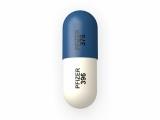
Generic Ziprasidone

Ziprasidone
| Active ingredient | Ziprasidone (brand name Geodon) |
|---|---|
| Mechanism of action | Atypical antipsychotic; partial agonist at serotonin 5-HT1A and dopamine D2 receptors; blocks 5-HT2A, H1, and alpha-adrenergic receptors; modulates dopamine and serotonin activity. |
| Common dose | Typically 20 mg twice daily, titrated up to 80 mg/day (usually divided into two doses); taken with food. |
| What is it used for? | Treatment of schizophrenia and acute manic or mixed episodes of bipolar I disorder. |
| Important information on taking | Take with a full meal; monitor cardiac function for QT prolongation; do not stop abruptly; avoid alcohol and concurrent QT-prolonging drugs; regularly assess efficacy and side-effects. |
| Common side effects | Nausea, vomiting, constipation, dizziness, drowsiness, weight gain, increased appetite, insomnia, dry mouth. |
| Serious risks | QT-interval prolongation leading to torsades de pointes, cardiac arrhythmias; neuroleptic malignant syndrome; metabolic disturbances; severe drowsiness or sedation. |
| Interactions | Concurrent use with other QT-prolonging agents; CYP3A4 inhibitors (e.g., ketoconazole) increase levels; CYP3A4 inducers (e.g., rifampin) decrease levels; interaction with serotonergic drugs may raise risk of serotonin syndrome. |
| Contraindications | Hypersensitivity to ziprasidone; patients with current QT prolongation or recent myocardial infarction; severe heart failure; not approved for dementia-related psychosis. |
| Legal status | Prescription-only medication; not scheduled under the U.S. Controlled Substances Act but regulated as a prescription drug; requires a doctor's prescription in most jurisdictions. |
What you should know about Ziprasidone
Definition and mechanism of action of Ziprasidone
Ziprasidone is an atypical antipsychotic used to treat schizophrenia and bipolar disorder. It works by blocking dopamine d2 receptors in the brain, which helps reduce psychotic symptoms such as hallucinations and delusions. In addition, it acts as a serotonin 5-ht2a receptor antagonist, enhancing its antipsychotic effects. By modulating these neurotransmitter pathways, Ziprasidone stabilizes mood and improves cognitive function in patients with mood disorders. The medication's active ingredient influences physiological processes such as neurotransmission and receptor signaling to achieve therapeutic outcomes. Its pharmacological action primarily involves dopamine antagonism combined with serotonergic blockade which leads to symptom relief. The drug also has partial agonist activity at norepinephrine transporter sites which further contributes to its therapeutic profile. Overall Ziprasidone provides symptom control through targeted receptor interaction and neural circuitry modulation
Pharmacological characteristics of Ziprasidone
Ziprasidone is an atypical antipsychotic medication used primarily to treat schizophrenia and acute manic episodes. It functions by blocking dopamine d2 receptors and serotonin 5-ht2a receptors in the brain. By antagonizing these receptors the drug reduces excessive dopaminergic signaling that contributes to psychotic symptoms. The same receptor blockade also modulates glutamatergic activity which enhances its antipsychotic effect. Ziprasidone has minimal antagonism at histamine and cholinergic receptors which limits sedative and anticholinergic side effects. Its pharmacological profile includes partial agonism at some serotonin receptors which helps stabilize mood regulation. The combined blockade leads to improved control of hallucinations delusions and mood elevation without significant weight gain. Clinically the medication is valued for its rapid onset in acute mania and its efficacy in treatment resistant psychotic states.
Ziprasidone: typical uses
| Schizophrenia | 20 mg once daily; long-term treatment |
|---|---|
| Bipolar disorder (adjunctive) | 20 mg once daily; maintenance therapy |
| Adjunctive depression treatment | 20 mg once daily; weeks to months |
Side effects of Ziprasidone you should know about
Common side effects of Ziprasidone
Ziprasidone may cause drowsiness or fatigue in some patients. Some individuals experience dizziness or lightheadedness when standing up quickly. Nausea or stomach discomfort can occur, especially during the first few weeks of treatment. Weight gain and increased appetite have been reported as common metabolic effects. Restlessness or an inability to sit still may be observed in a minority of users. Constipation or changes in bowel habits are also noted among patients taking the medication. Less frequently, mild headache or blurred vision may appear without requiring immediate medical attention.
Key factors to keep in mind before using
Ziprasidone is an atypical antipsychotic medication used primarily for schizophrenia and bipolar disorder. It can cause drowsiness or sedation in some patients. Weight gain and increased appetite are reported side effects. Patients may experience dizziness or lightheadedness when rising quickly. Electrolyte changes such as low magnesium or potassium levels have been observed. Some individuals develop qt prolongation which can affect heart rhythm. Gastrointestinal symptoms like nausea or constipation may occur. These effects are generally mild but can vary among individuals.
Frequently observed responses to Ziprasidone
- Nausea
- Vomiting
- Constipation
- Dizziness
- Sedation
Ziprasidone is an atypical antipsychotic that can effectively reduce the symptoms of schizophrenia and bipolar disorder when used as prescribed. It works by modulating dopamine and serotonin receptors, which can help stabilize mood and improve cognition. However, the medication may cause side effects such as weight gain, sedation, and cardiac qt-prolongation, so regular monitoring is essential. Potential users should be sure to undergo baseline cardiac evaluation and periodic blood tests to catch any adverse changes early. It is crucial to take Ziprasidone exactly as directed, usually with food, to minimize gastrointestinal upset and maintain steady blood levels. Patients should avoid combining it with certain other drugs that prolong the qt interval and should report any palpitations or dizziness promptly. Finally, maintaining open communication with a healthcare provider and attending support groups can greatly enhance adherence and overall treatment success.
 Barbara Van De Water
: ABEM Certified, Emergency Medicine
Barbara Van De Water
: ABEM Certified, Emergency Medicine


 Jason Lai, M.D.
: ABEM Certified, Emergency Medicine
Jason Lai, M.D.
: ABEM Certified, Emergency Medicine
 Peter M. C. DeBlieux, M.D.
: ABEM Certified, Emergency Medicine
Peter M. C. DeBlieux, M.D.
: ABEM Certified, Emergency Medicine
 Matthew Robert Lohse, M.D.
: ABEM Certified, Advanced Emergency Medicine Ultrasonography, Emergency Medicine, Focused Practice Designation, Ultrasonography, Ultrasound
Matthew Robert Lohse, M.D.
: ABEM Certified, Advanced Emergency Medicine Ultrasonography, Emergency Medicine, Focused Practice Designation, Ultrasonography, Ultrasound
 William Fleischman, M.D.
: ABEM Certified, Emergency Medicine
William Fleischman, M.D.
: ABEM Certified, Emergency Medicine
 Adeel Saqib, M.D.
: ABEM Certified, Emergency Medicine
Adeel Saqib, M.D.
: ABEM Certified, Emergency Medicine
 Zachary Illg, D.O.
: ABEM Certified, Emergency Medicine
Zachary Illg, D.O.
: ABEM Certified, Emergency Medicine
 Daniel Keyes, M.D., M.P.H.
: ABEM Certified, Certification, Emergency Medicine, Medical Toxicology
Daniel Keyes, M.D., M.P.H.
: ABEM Certified, Certification, Emergency Medicine, Medical Toxicology
 John C. Fox, M.D.
: ABEM Certified, Emergency Medicine
John C. Fox, M.D.
: ABEM Certified, Emergency Medicine
 Noah Tal Kaufman, M.D.
: ABEM Certified, Emergency Medicine
Noah Tal Kaufman, M.D.
: ABEM Certified, Emergency Medicine


| Shipping method | Delivery time | Price | |
| Airmail service Delivery | 14-21 days | 14.95$ | Tracking# available in 4 days |
| Trackable service Delivery | 9-14 days | 30$ | Tracking# available in 2 days |
- Shipping worldwide
- Confidentiality and anonymity guarantee
- Safe and secure
- Discrete looking packages
- Dispatch orders within 24 hours
- 100% success delivery