


- Bestsellers
- Alcoholism
- Allergy
- Alzheimers
- Anti Fungal
- Anti Viral
- Anti-Depressants
- Anti-Inflammatory
- Antibacterial
- Antibiotics
- Antiparasitic
- Arthritis
- Asthma
- Birth Control
- Blood Pressure
- COVID-19
- Cancer
- Cardiovascular
- Cholesterol
- Diabetes
- Diuretics
- Erectile Dysfunction
- Eye Drop
- Gastro Health
- General Health
- HIV
- Hair Loss
- Hepatitis C Virus (HCV)
- Herbals
- Hormones
- Men's ED Packs
- Men's Health
- Mental Illness
- Motion Sickness
- Muscle Relaxant
- Pain Relief
- Parkinson’s Disease
- Quit Smoking
- Skin Care
- Sleeping Aids
- Veterinary Medicines
- Vitamins
- Weight Loss
- Women's Health
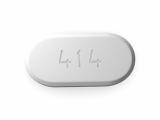
Generic Zetia ( Ezetimibe )

Zetia
| Active ingredient | Ezetimibe |
|---|---|
| Mechanism of action | Inhibits intestinal absorption of cholesterol by blocking NPC1L1 transporter |
| Common dose | 10 mg once daily |
| What is it used for? | Treatment of high cholesterol and as adjunct in certain genetic cholesterol disorders |
| Important information on taking | Take once daily with or without food; swallow whole; follow prescribed regimen |
| Common side effects | Diarrhea, abdominal pain, fatigue, headache |
| Serious risks | Myopathy, rhabdomyolysis (especially when combined with statins) |
| Interactions | May increase exposure of simvastatin, lovastatin; monitor when used with cyclosporine or certain statins |
| Contraindications | Hypersensitivity to ezetimibe or severe liver disease |
| Legal status | Prescription medication |
A closer look at Zetia and how it works
How Zetia works in the body: definition and pharmacological action
Zetia is a medication that inhibits the absorption of dietary cholesterol in the small intestine. Its active ingredient, ezetimibe, belongs to the class of cholesterol absorption inhibitors. By binding to the niemann-pick c1-like 1 protein, it blocks the uptake of cholesterol and phytosterols from the intestinal lumen. This leads to a reduction in the amount of cholesterol delivered to the liver, prompting an increase in hepatic ldl receptor activity. The subsequent upregulation of ldl receptors enhances the clearance of low-density lipoprotein particles from the bloodstream. The primary therapeutic purpose of Zetia is to improve lipid control in patients with hypercholesterolemia or familial hypercholesterolemia. It is often used alongside statins to achieve additional ldl cholesterol lowering and to reduce cardiovascular risk. The pharmacological effect therefore stems from targeted inhibition of intestinal cholesterol uptake, which indirectly modifies hepatic lipid metabolism.
Pharmacological properties of Zetia
Zetia is a medication that lowers cholesterol by reducing the amount absorbed from the diet. It works by blocking a specific protein called npc1l1 in the small intestine that normally takes up dietary cholesterol. When this protein is inhibited less cholesterol enters the bloodstream. The liver then compensates by increasing the number of ldl receptors that clear cholesterol from the circulation. The combined effect of reduced absorption and enhanced clearance leads to a measurable decrease in circulating ldl cholesterol levels. This therapeutic action makes Zetia useful as an adjunct to a healthy diet and, when needed, to statin therapy for overall cardiovascular risk reduction.
Medical indications for Zetia
| Hypercholesterolemia | 10 mg once daily; long-term treatment |
|---|---|
| Familial hypercholesterolemia | 10 mg once daily; chronic therapy |
| Heterozygous familial hypercholesterolemia | 10 mg once daily; ongoing |
Common reactions Zetia can cause
Common reactions Zetia can cause
Zetia is classified as an cholesterol absorption inhibitor used to treat hypercholesterolemia. Headache is the most commonly reported adverse effect. Digestive disturbances such as abdominal pain and diarrhea occur occasionally. Fatigue and muscle aches have been observed in clinical studies. Joint pain and flu-like symptoms are also reported in a minority of cases. These reactions are generally mild and do not require discontinuation of therapy.
What should I note before taking Zetia?
Zetia may cause headache in some patients. Abdominal discomfort or pain is a reported reaction. Diarrhea can occur as a gastrointestinal response. Fatigue or unusual tiredness may be experienced. Joint aches or pain have been observed in clinical studies. Muscle pain or weakness can appear as a side effect. These reactions are generally mild and do not require treatment in most cases.
Common effects experienced with Zetia
- Diarrhea
- Stomach pain
- Fatigue
- Headache
- Muscle pain
Zetia can be an effective addition to a lipid-lowering regimen, but its benefits are maximized when paired with a heart-healthy diet and regular exercise. It works by modestly reducing cholesterol absorption, so you may need to combine it with a statin for optimal ldl-cholesterol control. Before starting, have a thorough discussion with your healthcare provider to confirm that Zetia is appropriate for your medical history and current medications. Be sure to undergo baseline liver-function tests and periodic monitoring to catch any rare liver enzyme elevations early. Watch for common side effects such as mild gastrointestinal discomfort and report any signs of an allergic reaction or unexplained muscle pain promptly. Remember that Zetia does not replace the need for lifestyle modifications; maintaining a balanced diet low in saturated fats and staying active are essential components of cholesterol management. Finally, keep all follow-up appointments so your doctor can assess the drug's effectiveness and adjust the treatment plan as needed.
 Ashley Grant, D.O.
: ABEM Certified, Advanced Emergency Medicine Ultrasonography, Emergency Medicine, Focused Practice Designation, Ultrasonography, Ultrasound
Ashley Grant, D.O.
: ABEM Certified, Advanced Emergency Medicine Ultrasonography, Emergency Medicine, Focused Practice Designation, Ultrasonography, Ultrasound

 Amy R McManus, M.D.
: ABEM Certified, Emergency Medicine
Amy R McManus, M.D.
: ABEM Certified, Emergency Medicine
 Zia Ur Rehman, D.O.
: ABEM Certified, Emergency Medicine
Zia Ur Rehman, D.O.
: ABEM Certified, Emergency Medicine
 Daniel J. Carlin, M.D.
: ABEM Certified, Emergency Medicine
Daniel J. Carlin, M.D.
: ABEM Certified, Emergency Medicine
 Jose C. Maria-Rios, M.D.
: ABEM, ABEM Certified, Critical Care, Emergency Medicine, Internal Medicine
Jose C. Maria-Rios, M.D.
: ABEM, ABEM Certified, Critical Care, Emergency Medicine, Internal Medicine
 Barbara Van De Water
: ABEM Certified, Emergency Medicine
Barbara Van De Water
: ABEM Certified, Emergency Medicine

 Douglas M. Young, D.O.
: ABEM Certified, Emergency Medicine
Douglas M. Young, D.O.
: ABEM Certified, Emergency Medicine


| Shipping method | Delivery time | Price | |
| Airmail service Delivery | 14-21 days | 14.95$ | Tracking# available in 4 days |
| Trackable service Delivery | 9-14 days | 30$ | Tracking# available in 2 days |
- Shipping worldwide
- Confidentiality and anonymity guarantee
- Safe and secure
- Discrete looking packages
- Dispatch orders within 24 hours
- 100% success delivery