


- Bestsellers
- Alcoholism
- Allergy
- Alzheimers
- Anti Fungal
- Anti Viral
- Anti-Depressants
- Anti-Inflammatory
- Antibacterial
- Antibiotics
- Antiparasitic
- Arthritis
- Asthma
- Birth Control
- Blood Pressure
- COVID-19
- Cancer
- Cardiovascular
- Cholesterol
- Diabetes
- Diuretics
- Erectile Dysfunction
- Eye Drop
- Gastro Health
- General Health
- HIV
- Hair Loss
- Hepatitis C Virus (HCV)
- Herbals
- Hormones
- Men's ED Packs
- Men's Health
- Mental Illness
- Motion Sickness
- Muscle Relaxant
- Pain Relief
- Parkinson’s Disease
- Quit Smoking
- Skin Care
- Sleeping Aids
- Veterinary Medicines
- Vitamins
- Weight Loss
- Women's Health

Generic Zestoretic ( Lisinopril / Hydrochlorothiazide )
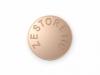

Zestoretic
| Active ingredient | Hydrochlorothiazide combined with Lisinopril |
|---|---|
| Mechanism of action | Thiazide diuretic adds to ACE-inhibitor effect: reduces sodium reabsorption and lowers angiotensinII |
| Common dose | Typically one tablet once daily (e.g., 5 mg Lisinopril+12.5 mg Hydrochlorothiazide) |
| What is it used for? | Hypertension (high blood pressure) |
| Important information on taking | Take as prescribed, at the same time each day; can be taken with or without food; do not double-dose if a dose is missed; maintain adequate hydration; monitor blood pressure regularly. |
| Common side effects | Dizziness, headache, mild cough, fatigue, peripheral edema, elevated potassium |
| Serious risks | Angioedema, acute kidney injury, severe hyperkalemia, symptomatic hypotension, acute renal failure |
| Interactions | Potassium supplements, potassium-sparing diuretics, lithium, NSAIDs, other antihypertensives, aliskiren |
| Contraindications | History of angioedema due to ACE inhibitors, severe renal impairment, severe hepatic disease, known hypersensitivity to components |
| Legal status | Prescription-only medication |
Exploring the basics of Zestoretic
What is Zestoretic and how does it work?
Zestoretic is a prescription medication that combines lisinopril and hydrochlorothiazide. It is used to treat high blood pressure in adults. The drug works by blocking the enzyme that converts angiotensin i to angiotensin ii, which helps relax blood vessels. At the same time the thiazide component promotes the excretion of sodium and water, reducing blood volume. Together these actions lower systemic vascular resistance and cardiac output, leading to a measurable drop in blood pressure. The fixed-dash combination provides a convenient way to achieve additive antihypertensive efficacy. It is taken orally once daily.
Pharmacodynamics and pharmacological profile of Zestoretic
Zestoretic is a fixed combination medication that contains the ace inhibitor lisinopril and the thiazide diuretic hydrochlorothiazide. It is prescribed to treat hypertension by providing dual mechanisms that lower blood pressure more effectively than either agent alone. The ace inhibitor component blocks the conversion of angiotensin i to angiotensin ii, leading to vasodilation and reduced systemic vascular resistance. The thiazide component promotes natriuresis and diuresis by inhibiting sodium reabsorption in the distal convoluted tubule, decreasing plasma volume. Together these actions result in a synergistic reduction in arterial pressure while maintaining overall cardiovascular stability. The pharmacokinetic interaction of the two agents is characterized by complementary absorption and elimination pathways that enhance the duration of therapeutic effect without significant metabolic overlap.
When Zestoretic is indicated
| Hypertension | 20 mg/12.5 mg orally once daily |
|---|---|
| Heart Failure | 20 mg/12.5 mg orally once daily |
| Diabetic Nephropathy | 20 mg/12.5 mg orally once daily |
The most common side effects
Common side effects of Zestoretic
Zestoretic may cause dizziness or lightheadedness especially when standing up quickly. It can also lead to a dry cough or a mild headache. Some people experience increased urination or a feeling of tiredness. Changes in blood pressure may result in low sodium or low potassium levels. It is possible to develop a rash or mild swelling in the ankles. Most side effects are temporary and improve with continued use.
What should I note before taking Zestoretic?
Some people experience dizziness or light headedness when taking Zestoretic. Headache is another frequently reported symptom. A dry cough can occur due to the ace inhibitor component. Fatigue or unusual tiredness may be noticed. Changes in potassium levels are possible with low potassium being more common. Some patients develop a mild skin rash. Increased urination can happen as the medication affects fluid balance. Swelling of the ankles or feet is occasionally observed.
Typical reactions to Zestoretic
- Cough
- Dizziness
- Headache
- Fatigue
- Nausea
Zestoretic offers an effective single-pill option for controlling high blood pressure by combining the ace-inhibitor lisinopril with the diuretic hydrochlorothiazide. When starting the medication, it's wise to take it consistently each day, preferably with or without food, to maintain steady drug levels. Patients should monitor their blood pressure regularly and report any persistent cough, swelling, or dizziness to their healthcare provider, as these may signal side effects that need adjustment. Staying well-hydrated while avoiding excessive potassium-rich supplements can help prevent electrolyte imbalances that occasionally occur with thiazide diuretics. Finally, routine check-ups to assess kidney function and potassium levels are important, especially for those with pre-existing kidney disease or diabetes. By following these simple practices, most users can achieve better blood-pressure control with fewer visits to the clinic.
 Charles Taylor
: ABEM Certified, Emergency Medicine
Charles Taylor
: ABEM Certified, Emergency Medicine

 Devin Matthew Howell, D.O.
: ABEM Certified, Board Certification, Emergency Medical Services, Emergency Medicine
Devin Matthew Howell, D.O.
: ABEM Certified, Board Certification, Emergency Medical Services, Emergency Medicine
 Jason Lai, M.D.
: ABEM Certified, Emergency Medicine
Jason Lai, M.D.
: ABEM Certified, Emergency Medicine

 Christopher Kaczmarczyk, D.O., FACEP, AEMUS
: ABEM Certified, Advanced Emergency Medicine Ultrasonography, Emergency Medicine, Focused Practice Designation, Ultrasonography, Ultrasound
Christopher Kaczmarczyk, D.O., FACEP, AEMUS
: ABEM Certified, Advanced Emergency Medicine Ultrasonography, Emergency Medicine, Focused Practice Designation, Ultrasonography, Ultrasound
 Paul Anthony Testa, M.D.
: ABEM Certified, Emergency Medicine
Paul Anthony Testa, M.D.
: ABEM Certified, Emergency Medicine
 Kevin Thomas O'Mara, M.D.
: ABEM Certified, Emergency Medicine
Kevin Thomas O'Mara, M.D.
: ABEM Certified, Emergency Medicine
 Michael McGary, M.D.
: ABEM Certified, Emergency Medicine
Michael McGary, M.D.
: ABEM Certified, Emergency Medicine
 Glenn Alan Birnbaum, M.D.
: ABEM Certified, Emergency Medicine
Glenn Alan Birnbaum, M.D.
: ABEM Certified, Emergency Medicine
 Sarah Kristin Kennedy, M.D.
: ABEM Certified, Advanced Emergency Medicine Ultrasonography, Emergency Medicine, Focused Practice Designation, Ultrasonography, Ultrasound
Sarah Kristin Kennedy, M.D.
: ABEM Certified, Advanced Emergency Medicine Ultrasonography, Emergency Medicine, Focused Practice Designation, Ultrasonography, Ultrasound


| Shipping method | Delivery time | Price | |
| Airmail service Delivery | 14-21 days | 14.95$ | Tracking# available in 4 days |
| Trackable service Delivery | 9-14 days | 30$ | Tracking# available in 2 days |
- Shipping worldwide
- Confidentiality and anonymity guarantee
- Safe and secure
- Discrete looking packages
- Dispatch orders within 24 hours
- 100% success delivery