


- Bestsellers
- Alcoholism
- Allergy
- Alzheimers
- Anti Fungal
- Anti Viral
- Anti-Depressants
- Anti-Inflammatory
- Antibacterial
- Antibiotics
- Antiparasitic
- Arthritis
- Asthma
- Birth Control
- Blood Pressure
- COVID-19
- Cancer
- Cardiovascular
- Cholesterol
- Diabetes
- Diuretics
- Erectile Dysfunction
- Eye Drop
- Gastro Health
- General Health
- HIV
- Hair Loss
- Hepatitis C Virus (HCV)
- Herbals
- Hormones
- Men's ED Packs
- Men's Health
- Mental Illness
- Motion Sickness
- Muscle Relaxant
- Pain Relief
- Parkinson’s Disease
- Quit Smoking
- Skin Care
- Sleeping Aids
- Veterinary Medicines
- Vitamins
- Weight Loss
- Women's Health
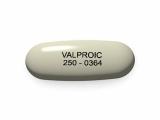
Generic Valparin ( Valproic Acid )

Valparin
| Active ingredient | Valproic acid |
|---|---|
| Mechanism of action | Enhances GABAergic neurotransmission |
| Common dose | 500-1000 mg per day |
| What is it used for? | Epilepsy, bipolar disorder, migraine prophylaxis |
| Important information on taking | Take with food; do not abruptly stop |
| Common side effects | Nausea, weight gain, hair loss |
| Serious risks | Liver failure, pancreatitis, severe skin reactions |
| Interactions | May interact with other antiepileptics, anticoagulants, CYP450 substrates |
| Contraindications | Severe hepatic impairment, known hypersensitivity, pregnancy (unless benefit outweighs risk) |
| Legal status | Prescription medication (Rx) |
What you should know about Valparin
How Valparin works in the body: definition and pharmacological action
Valparin is an anticonvulsant medication used primarily to treat certain types of epilepsy. It functions by stabilizing neuronal membranes and reducing the spread of abnormal electrical activity. The active compound valproic acid enhances the activity of the inhibitory neurotransmitter gamma aminobutyric acid. By increasing intracellular concentrations of gamma aminobutyric acid this action dampens excitatory signals throughout the brain. Valparin also inhibits enzymes involved in the metabolism of fatty acids which contributes to its antiepileptic effect. The drug is absorbed rapidly after oral administration and reaches peak plasma levels within a few hours. Its metabolite continues to provide therapeutic benefit as it circulates and is eventually eliminated through the liver. Overall the medication helps control seizures by modulating neuronal excitability and supporting stable brain activity.
Pharmacodynamics and pharmacological profile of Valparin
Valparin is an anticonvulsant medication used primarily to manage certain seizure disorders. Its therapeutic role involves stabilizing neuronal membranes to reduce the spread of abnormal electrical activity. The drug enhances the activity of the inhibitory neurotransmitter gaba through allosteric modulation of its receptor. By increasing gabaergic transmission Valparin helps to dampen hyperexcitability in the brain. This pharmacological activity leads to a lower likelihood of seizure episodes and improved seizure control. The overall pharmacological profile reflects a balance between seizure suppression and minimal impact on normal neural function.
Medical indications for Valparin
| Epilepsy | 500 mg twice daily for 6 months |
|---|---|
| Bipolar disorder | 250 mg three times daily for indefinite maintenance |
| Migraine prophylaxis | 200 mg daily for several weeks |
The most common side effects
The most common side effects
Many people experience headache as a frequent side effect. Nausea or digestive discomfort may also occur. Fatigue can be observed in some individuals. Headaches often appear without warning. Digestive upset is common among users. Mild dizziness is sometimes reported. Sleep disturbances may affect a minority. General aches are occasionally noted.
Important information to consider before taking Valparin
The most common side effects often include mild headache or dizziness. Some people may experience stomach discomfort or nausea. Fatigue or mild fever can also occur. Skin reactions such as rash or itching are possible. Changes in taste or appetite may appear temporarily. Most of these effects are short lived and resolve without intervention. They usually resolve on their own.
Common effects experienced with Valparin
- Nausea
- Abdominal pain
- Headache
- Weight gain
- Tremor
Valparin can be an effective therapeutic option when taken exactly as prescribed and under regular medical supervision. It is especially beneficial for patients who have not responded adequately to first-line treatments, but its efficacy is closely linked to consistent dosing and periodic blood-level monitoring. Users should be vigilant for common side-effects such as gastrointestinal upset, dizziness, or liver enzyme fluctuations, and must report any severe reactions immediately. Prior to starting therapy, a thorough review of existing medications and medical history is essential to avoid harmful drug interactions, particularly with other anticonvulsants or enzyme-inducing agents. It is advisable to take Valparin with food or a full glass of water to reduce stomach irritation, and to maintain a steady dosing schedule to prevent abrupt plasma level changes. Patients should also schedule routine laboratory tests to monitor liver function and, if applicable, kidney performance throughout the course of treatment. Finally, never discontinue or adjust the dose without consulting a healthcare professional, as sudden withdrawal can precipitate a return of symptoms or trigger withdrawal syndromes.
 Sarah Kristin Kennedy, M.D.
: ABEM Certified, Advanced Emergency Medicine Ultrasonography, Emergency Medicine, Focused Practice Designation, Ultrasonography, Ultrasound
Sarah Kristin Kennedy, M.D.
: ABEM Certified, Advanced Emergency Medicine Ultrasonography, Emergency Medicine, Focused Practice Designation, Ultrasonography, Ultrasound

 Thomas Peterson, D.O.
: ABEM Certified, Emergency Medicine
Thomas Peterson, D.O.
: ABEM Certified, Emergency Medicine
 Michael K. Shafe', M.D.
: 30 Years Certified, ABEM Certified, Emergency Medicine
Michael K. Shafe', M.D.
: 30 Years Certified, ABEM Certified, Emergency Medicine
 Maia Dorsett, M.D., Ph.D.
: ABEM Certified, Board Certification, Emergency Medical Services, Emergency Medicine
Maia Dorsett, M.D., Ph.D.
: ABEM Certified, Board Certification, Emergency Medical Services, Emergency Medicine
 Christopher Andrew McCuller, M.D.
: ABEM Certified, Emergency Medicine
Christopher Andrew McCuller, M.D.
: ABEM Certified, Emergency Medicine
 Zia Ur Rehman, D.O.
: ABEM Certified, Emergency Medicine
Zia Ur Rehman, D.O.
: ABEM Certified, Emergency Medicine

 Sarah Marie Gartner, M.D.
: ABEM Certified, Advanced Emergency Medicine Ultrasonography, Emergency Medicine, Focused Practice Designation, Ultrasonography, Ultrasound
Sarah Marie Gartner, M.D.
: ABEM Certified, Advanced Emergency Medicine Ultrasonography, Emergency Medicine, Focused Practice Designation, Ultrasonography, Ultrasound


| Shipping method | Delivery time | Price | |
| Airmail service Delivery | 14-21 days | 14.95$ | Tracking# available in 4 days |
| Trackable service Delivery | 9-14 days | 30$ | Tracking# available in 2 days |
- Shipping worldwide
- Confidentiality and anonymity guarantee
- Safe and secure
- Discrete looking packages
- Dispatch orders within 24 hours
- 100% success delivery