


- Bestsellers
- Alcoholism
- Allergy
- Alzheimers
- Anti Fungal
- Anti Viral
- Anti-Depressants
- Anti-Inflammatory
- Antibacterial
- Antibiotics
- Antiparasitic
- Arthritis
- Asthma
- Birth Control
- Blood Pressure
- COVID-19
- Cancer
- Cardiovascular
- Cholesterol
- Diabetes
- Diuretics
- Erectile Dysfunction
- Eye Drop
- Gastro Health
- General Health
- HIV
- Hair Loss
- Hepatitis C Virus (HCV)
- Herbals
- Hormones
- Men's ED Packs
- Men's Health
- Mental Illness
- Motion Sickness
- Muscle Relaxant
- Pain Relief
- Parkinson’s Disease
- Quit Smoking
- Skin Care
- Sleeping Aids
- Veterinary Medicines
- Vitamins
- Weight Loss
- Women's Health
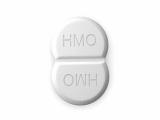
Generic Tritace ( Ramipril )

Tritace
| Active ingredient | Ramipril |
|---|---|
| Mechanism of action | ACE inhibitor that blocks conversion of angiotensin I to angiotensinII, causing vasodilation and reduced aldosterone release |
| Common dose | 1.25-10 mg once daily, adjusted per indication and patient response |
| What is it used for? | Hypertension, heart failure, diabetic nephropathy, and post-myocardial-infarction remodeling |
| Important information on taking | Take on an empty stomach (30min before or 2h after food), at the same time each day, swallow whole; avoid during pregnancy |
| Common side effects | Dry cough, dizziness, headache, fatigue, hyper-kalaemia |
| Serious risks | Angio-edema, severe hypotension, acute kidney injury, hepatic enzyme elevation |
| Interactions | NSAIDs, potassium-supplementing agents, lithium, other antihypertensives, and other ACE inhibitors |
| Contraindications | History of ACE-inhibitor-induced angio-edema, bilateral renal artery stenosis, pregnancy, known hypersensitivity to ramipril or similar drugs |
| Legal status | Prescription-only medication (Rx) in most jurisdictions |
A closer look at Tritace and how it works
What is Tritace and how does it work?
Tritace is a brand name for a medication that contains the active ingredient ramipril. It is classified as an angiotensin-converting enzyme inhibitor. The drug works by blocking the enzyme that converts angiotensin i into angiotensin ii. This inhibition prevents the formation of a potent vasoconstrictor that narrows blood vessels. As a result the blood vessels relax and peripheral resistance decreases. The reduced resistance leads to lower blood pressure and improved circulation in patients with hypertension or heart failure. The pharmacological effect of ace inhibition also decreases aldosterone secretion, which helps the kidneys excrete more sodium and water.
Key pharmacological features and clinical properties of Tritace
Tritace is an angiotensin-converting enzyme inhibitor used primarily to treat hypertension and heart failure. It works by blocking the conversion of angiotensin i to angiotensin ii, thereby reducing vasoconstriction and aldosterone secretion. This inhibition leads to relaxation of blood vessels and a modest increase in renal blood flow. Clinically, the drug improves blood pressure control and slows the progression of kidney damage in patients with diabetes. Its pharmacological profile includes a long duration of action and minimal accumulation of metabolites. The mechanisms of its therapeutic effect involve modulation of the renin-angiotensin system to achieve sustained cardiovascular benefit.
Therapeutic uses of Tritace
| Hypertension | 5 mg once daily, usually for long-term maintenance |
|---|---|
| Heart Failure | 2.5-5 mg once daily, continued as chronic therapy |
| Diabetic Nephropathy | 5 mg once daily, often for at least 3 years |
Common side effects of Tritace
Side effects of Tritace
Common side effects reported include a persistent dry cough and occasional dizziness. Some users experience fatigue or mild headaches during the early weeks of treatment. A small number of patients notice swelling in the ankles or feet due to fluid retention. Changes in kidney function can occasionally appear in laboratory tests. Elevated levels of potassium may be observed in certain individuals. Rarely, skin rashes or itching are documented. All of these effects are generally mild and reversible after discontinuation.
What should I note before taking Tritace?
Tritace may cause a persistent dry cough. Some users report dizziness or lightheadedness when standing up quickly. Headache and fatigue are among the commonly listed adverse effects. A mild skin rash or itching can occur in certain individuals. Taste disturbances such as a metallic sensation have been observed. Swelling of the face, lips, or tongue may occur. Laboratory tests may show changes in kidney function or potassium levels.
Frequently observed responses to Tritace
- Headache
- Dizziness
- Fatigue
- Cough
- Nausea
- Low blood pressure
Tritace (perindopril) offers an effective option for managing high blood pressure and certain heart conditions, delivering long-lasting benefits with once-daily dosing. Its proven track record in reducing cardiovascular risk makes it a valuable addition to many treatment plans, especially when tailored to the individual's health profile. However, success with Tritace hinges on consistent use, proper hydration, and monitoring for side effects such as dizziness or a dry cough. Make sure to take the medication exactly as prescribed, preferably on an empty stomach, and avoid taking it with potassium-rich supplements unless advised by a clinician. Keeping regular follow-up appointments will help track blood pressure responses and adjust the dose if needed. Finally, always discuss any other medications or health concerns with your doctor before starting Tritace to ensure it fits safely into your overall care strategy.
 John C. Fox, M.D.
: ABEM Certified, Emergency Medicine
John C. Fox, M.D.
: ABEM Certified, Emergency Medicine


 Ashley Grant, D.O.
: ABEM Certified, Advanced Emergency Medicine Ultrasonography, Emergency Medicine, Focused Practice Designation, Ultrasonography, Ultrasound
Ashley Grant, D.O.
: ABEM Certified, Advanced Emergency Medicine Ultrasonography, Emergency Medicine, Focused Practice Designation, Ultrasonography, Ultrasound
 Mark Alexander Sloan, M.D.
: ABEM Certified, Emergency Medicine
Mark Alexander Sloan, M.D.
: ABEM Certified, Emergency Medicine
 Kevin Thomas O'Mara, M.D.
: ABEM Certified, Emergency Medicine
Kevin Thomas O'Mara, M.D.
: ABEM Certified, Emergency Medicine
 David P. Bryant, D.O.
: ABEM Certified, Emergency Medicine
David P. Bryant, D.O.
: ABEM Certified, Emergency Medicine
 Andrew Core
: ABEM, Administration, Leadership, Management
Andrew Core
: ABEM, Administration, Leadership, Management
 Ryan J. Reece, MD, NRP, FACEP
: ABEM Certified, Addiction, Board Certification, DEA, Emergency Medical Services, Emergency Medicine, MyEMCert, opioids, Substance Use Disorder
Ryan J. Reece, MD, NRP, FACEP
: ABEM Certified, Addiction, Board Certification, DEA, Emergency Medical Services, Emergency Medicine, MyEMCert, opioids, Substance Use Disorder
 Lynn C. Dezelon, M.D.
: ABEM Certified, Emergency Medicine
Lynn C. Dezelon, M.D.
: ABEM Certified, Emergency Medicine
 Ira Gordon Early, M.D.
: Certification, Medical Toxicology
Ira Gordon Early, M.D.
: Certification, Medical Toxicology
 David Scott Duffy, M.D.
: ABEM Certified, Emergency Medicine
David Scott Duffy, M.D.
: ABEM Certified, Emergency Medicine


| Shipping method | Delivery time | Price | |
| Airmail service Delivery | 14-21 days | 14.95$ | Tracking# available in 4 days |
| Trackable service Delivery | 9-14 days | 30$ | Tracking# available in 2 days |
- Shipping worldwide
- Confidentiality and anonymity guarantee
- Safe and secure
- Discrete looking packages
- Dispatch orders within 24 hours
- 100% success delivery