


- Bestsellers
- Alcoholism
- Allergy
- Alzheimers
- Anti Fungal
- Anti Viral
- Anti-Depressants
- Anti-Inflammatory
- Antibacterial
- Antibiotics
- Antiparasitic
- Arthritis
- Asthma
- Birth Control
- Blood Pressure
- COVID-19
- Cancer
- Cardiovascular
- Cholesterol
- Diabetes
- Diuretics
- Erectile Dysfunction
- Eye Drop
- Gastro Health
- General Health
- HIV
- Hair Loss
- Hepatitis C Virus (HCV)
- Herbals
- Hormones
- Men's ED Packs
- Men's Health
- Mental Illness
- Motion Sickness
- Muscle Relaxant
- Pain Relief
- Parkinson’s Disease
- Quit Smoking
- Skin Care
- Sleeping Aids
- Veterinary Medicines
- Vitamins
- Weight Loss
- Women's Health
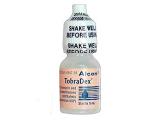
Generic Tobramycin And Dexamethasone


Tobramycin and dexamethasone
| Active ingredient | Tobramycin (antibiotic) and dexamethasone (corticosteroid) |
|---|---|
| Mechanism of action | Tobramycin binds the 30S ribosomal subunit, inhibiting protein synthesis; dexamethasone binds intracellular glucocorticoid receptors, suppressing inflammatory gene expression. |
| Common dose | Typically 1-2 drops into the affected eye(s) every 4-6 hours; dosing may vary by formulation and indication. |
| What is it used for? | Treatment of bacterial conjunctivitis, keratitis, and other bacterial ocular infections, as well as reduction of ocular inflammation. |
| Important information on taking | Shake well, do not touch the dropper tip to the eye, remove contact lenses before use, and continue for the full prescribed course. |
| Common side effects | Transient burning or stinging, blurred vision, ocular itching or irritation. |
| Serious risks | Potential increase in intraocular pressure, cataract formation, secondary fungal infection, or systemic corticosteroid effects. |
| Interactions | May interact with other ocular medications, systemic steroids, and medications affecting intraocular pressure; consult a clinician. |
| Contraindications | Hypersensitivity to tobramycin, dexamethasone, or any formulation component; active viral or fungal ocular infections. |
| Legal status | Prescription-only medication in most jurisdictions; not available over-the-counter without a doctor's prescription. |
What you should know about Tobramycin and dexamethasone
What is Tobramycin and dexamethasone and how does it work?
Tobramycin and dexamethasone is a combined topical medication that contains an aminoglycoside antibiotic and a synthetic glucocorticoid. The antibiotic component kills susceptible bacteria by interfering with their ribosomal protein synthesis. The steroid component reduces inflammation by inhibiting the release of inflammatory mediators in ocular tissues. Together they treat bacterial eye infections complicated by inflammation by addressing both infection and swelling. Tobramycin works by binding to the bacterial ribosome, causing misreading of messenger rna and preventing protein formation. Dexamethasone suppresses immune cell activity, leading to decreased redness, pain, and tissue damage in the affected area.
Key pharmacological features and clinical properties of Tobramycin and dexamethasone
Tobramycin is an aminoglycoside antibiotic that kills bacteria by binding to the 30s ribosomal subunit and disrupting protein synthesis. It is commonly applied topically or administered by inhalation for infections of the eye skin or respiratory tract. Dexamethasone is a synthetic glucocorticoid with potent anti-inflammatory and immunosuppressive activity. It reduces inflammation by entering cells and inhibiting the transcriptional activation of genes that encode cytokines and chemokines. The combination of Tobramycin and dexamethasone provides both antimicrobial action and control of associated inflammation. This dual mechanism addresses infection while modulating the host immune response to improve clinical outcomes.
Therapeutic indications for Tobramycin and dexamethasone
| Bacterial conjunctivitis | Tobramycin 0.3 % ophthalmic solution, 1 drop every 6 hours for 7 days |
|---|---|
| Bacterial keratitis | Tobramycin 0.3 % ophthalmic ointment, 1 inch every 8 hours for 14 days |
| Uveitis (inflammatory ocular disease) | Dexamethasone 0.1 % ophthalmic suspension, 1-2 drops every 4 hours, taper over 2-3 weeks |
Side effects of Tobramycin and dexamethasone
Side effects of Tobramycin and dexamethasone you should know about
Tobramycin is an aminoglycoside antibiotic used to treat bacterial infections. Common side effects include temporary hearing loss or ringing in the ears. It may also cause kidney irritation especially when taken in high doses. Dexamethasone is a synthetic corticosteroid that reduces inflammation. Its side effects can include increased appetite weight gain or difficulty sleeping. Prolonged use might lead to elevated blood pressure or changes in blood sugar levels. Both medications are typically prescribed for short courses to minimize these risks.
What to know before starting Tobramycin and dexamethasone
Tobramycin can cause hearing loss especially with prolonged use. It may lead to kidney damage in patients with existing renal impairment. Dexamethasone often results in increased blood sugar levels. It can suppress the immune system and delay wound healing. Both medications may provoke allergic skin reactions. Long-term steroid exposure can affect bone density.
Typical reactions to Tobramycin and dexamethasone
- Increased intraocular pressure
- Blurred vision
- Eye irritation or discomfort
- Allergic reactions
- Cataract formation
- Glaucoma
the combination of Tobramycin and dexamethasone offers a powerful, dual-action approach to treating ocular inflammation while directly combating bacterial infection. Before starting therapy, be sure to discuss any existing eye conditions, contact lens use, or allergies with your healthcare provider. Apply the medication exactly as directed, using a sterile technique to avoid contaminating the bottle. Keep an eye on intra-ocular pressure, because prolonged steroid use can elevate pressure and threaten vision. If you notice persistent redness, pain, or visual changes, contact your clinician promptly. Do not extend treatment beyond the prescribed duration, even if symptoms improve early. Finally, store the eye drops at room temperature, discarding them after the recommended number of weeks to maintain efficacy and safety.
 Matthew Robert Lohse, M.D.
: ABEM Certified, Advanced Emergency Medicine Ultrasonography, Emergency Medicine, Focused Practice Designation, Ultrasonography, Ultrasound
Matthew Robert Lohse, M.D.
: ABEM Certified, Advanced Emergency Medicine Ultrasonography, Emergency Medicine, Focused Practice Designation, Ultrasonography, Ultrasound

 Cassidy Cunningham
: ABEM Certified, Emergency Medicine
Cassidy Cunningham
: ABEM Certified, Emergency Medicine
 Daniel Keyes, M.D., M.P.H.
: ABEM Certified, Certification, Emergency Medicine, Medical Toxicology
Daniel Keyes, M.D., M.P.H.
: ABEM Certified, Certification, Emergency Medicine, Medical Toxicology

 Tahisha Nicole Tolbert, M.D.
: ABEM Certified, Emergency Medicine
Tahisha Nicole Tolbert, M.D.
: ABEM Certified, Emergency Medicine
 Maia Dorsett, M.D., Ph.D.
: ABEM Certified, Board Certification, Emergency Medical Services, Emergency Medicine
Maia Dorsett, M.D., Ph.D.
: ABEM Certified, Board Certification, Emergency Medical Services, Emergency Medicine
 Subhashish Agarwal, M.D.
: ABEM Certified, Emergency Medicine
Tahisha Nicole Tolbert, M.D.
: ABEM Certified, Emergency Medicine
Subhashish Agarwal, M.D.
: ABEM Certified, Emergency Medicine
Tahisha Nicole Tolbert, M.D.
: ABEM Certified, Emergency Medicine
 Jason Lai, M.D.
: ABEM Certified, Emergency Medicine
Jason Lai, M.D.
: ABEM Certified, Emergency Medicine


| Shipping method | Delivery time | Price | |
| Airmail service Delivery | 14-21 days | 14.95$ | Tracking# available in 4 days |
| Trackable service Delivery | 9-14 days | 30$ | Tracking# available in 2 days |
- Shipping worldwide
- Confidentiality and anonymity guarantee
- Safe and secure
- Discrete looking packages
- Dispatch orders within 24 hours
- 100% success delivery