


- Bestsellers
- Alcoholism
- Allergy
- Alzheimers
- Anti Fungal
- Anti Viral
- Anti-Depressants
- Anti-Inflammatory
- Antibacterial
- Antibiotics
- Antiparasitic
- Arthritis
- Asthma
- Birth Control
- Blood Pressure
- COVID-19
- Cancer
- Cardiovascular
- Cholesterol
- Diabetes
- Diuretics
- Erectile Dysfunction
- Eye Drop
- Gastro Health
- General Health
- HIV
- Hair Loss
- Hepatitis C Virus (HCV)
- Herbals
- Hormones
- Men's ED Packs
- Men's Health
- Mental Illness
- Motion Sickness
- Muscle Relaxant
- Pain Relief
- Parkinson’s Disease
- Quit Smoking
- Skin Care
- Sleeping Aids
- Veterinary Medicines
- Vitamins
- Weight Loss
- Women's Health

Generic Sumycin ( Tetracycline )
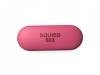

Sumycin
| Active ingredient | Tetracycline |
|---|---|
| Mechanism of action | Inhibits bacterial protein synthesis by binding to the 30S ribosomal subunit |
| Common dose | 250-500 mg orally every 6 hours (adjusted per infection) |
| What is it used for? | Treatment of various bacterial infections including respiratory, urinary, skin, and sexually transmitted infections |
| Important information on taking | Take with a full glass of water; avoid concurrent dairy or calcium products; may be taken on an empty stomach but with food if stomach upset occurs |
| Common side effects | Nausea, vomiting, diarrhea, photosensitivity |
| Serious risks | Pseudotumor cerebri, severe allergic reactions, liver toxicity |
| Interactions | Reduced absorption with antacids, calcium, iron, magnesium; effects enhanced with warfarin and oral contraceptives |
| Contraindications | Hypersensitivity to tetracyclines, pregnancy, children under 8 years, severe hepatic impairment |
| Legal status | Prescription medication (Rx) in most countries |
What you should know about Sumycin
What is Sumycin and how does it work?
Sumycin is a tetracycline antibiotic used to treat bacterial infections. It works by inhibiting bacterial protein synthesis through binding to the 30s ribosomal subunit. This binding prevents the attachment of aminoacyl trna to the mrna ribosome complex. As a result the bacteria are unable to grow and replicate effectively. The drug is absorbed from the gastrointestinal tract and distributes widely into body tissues. Its active form interacts with magnesium ions to stabilize the drug-ribosome complex. The resulting inhibition of translation leads to bacteriostatic effects against many gram positive and gram negative organisms. The medication is eliminated primarily through renal excretion of unchanged compound.
Key pharmacological features and clinical properties of Sumycin
Sumycin is the brand name for the tetracycline-class antibiotic tetracycline hydrochloride. It works by binding to the bacterial ribosomal subunit and preventing protein synthesis in susceptible microorganisms. This inhibition halts bacterial growth and ultimately leads to cell death when drug concentrations are sufficient at the infection site. Clinically the drug is employed to treat infections of the respiratory tract, skin, urinary tract and certain sexually transmitted diseases. Its spectrum of activity includes gram-positive and gram-negative bacteria as well as atypical organisms such as mycoplasma. The medication exerts its therapeutic effect by interfering with the translation process essential for bacterial replication without affecting human protein production at therapeutic doses.
Medical indications for Sumycin
| Acne vulgaris | 500 mg twice daily for 6 weeks |
|---|---|
| Chlamydia infection | 1 g once daily for 7 days |
| Community-acquired pneumonia | 500 mg four times daily for 7-14 days |
Side effects of Sumycin you should know about
Common side effects of Sumycin
Sumycin may cause nausea and stomach discomfort in some patients. It can also lead to diarrhea that ranges from mild to watery. Some individuals experience allergic reactions such as rash or itching. Photosensitivity may occur, making the skin more sensitive to sunlight. Discoloration of the teeth can happen, especially in children. Headache and dizziness are reported side effects in certain cases.
Things you should be aware of before using Sumycin
Common side effects include mild nausea or stomach upset. Some people experience diarrhea or abdominal cramping. Sensitivity to sunlight may occur, leading to sunburn more easily. Swallowing the medication can occasionally cause irritation of the esophagus. Rarely, a harmless skin rash or itching may appear. In some cases, the drug may cause temporary discoloration of the teeth or mild yeast infections.
Frequently reported effects of Sumycin
- Nausea
- Vomiting
- Diarrhea
- Photosensitivity
- Esophageal irritation
Sumycin (tetracycline) can be an effective treatment for a variety of bacterial infections when used appropriately. It works by stopping the growth of bacteria, offering relief for conditions such as respiratory tract infections, acne, and certain sexually transmitted diseases. However, its efficacy declines if the infection becomes resistant, so it should only be taken when prescribed for a confirmed bacterial cause. Users should take the medication on an empty stomach with a full glass of water, spacing doses evenly throughout the day to maintain steady drug levels. It is important to avoid taking Sumycin with dairy products, antacids, or iron supplements, as these can hinder absorption. Staying well-hydrated and protecting the skin from prolonged sun exposure can help reduce common side effects like gastrointestinal upset and photosensitivity. Finally, complete the full prescribed course even if symptoms improve early, to fully eradicate the infection and prevent the development of resistance.
 Antony Awad, D.O., M.S.
: ABEM Certified, Emergency Medicine
Antony Awad, D.O., M.S.
: ABEM Certified, Emergency Medicine

 Matthew Adam Von Zimmerman, D.O.
: ABEM Certified, Emergency Medicine
Matthew Adam Von Zimmerman, D.O.
: ABEM Certified, Emergency Medicine

 Peter M. C. DeBlieux, M.D.
: ABEM Certified, Emergency Medicine
Peter M. C. DeBlieux, M.D.
: ABEM Certified, Emergency Medicine
 Christopher Kaczmarczyk, D.O., FACEP, AEMUS
: ABEM Certified, Advanced Emergency Medicine Ultrasonography, Emergency Medicine, Focused Practice Designation, Ultrasonography, Ultrasound
Christopher Kaczmarczyk, D.O., FACEP, AEMUS
: ABEM Certified, Advanced Emergency Medicine Ultrasonography, Emergency Medicine, Focused Practice Designation, Ultrasonography, Ultrasound
 Jonathan Slutzman, M.D.
: ABEM Certified, Emergency Medicine
Jonathan Slutzman, M.D.
: ABEM Certified, Emergency Medicine
 Christopher Andrew McCuller, M.D.
: ABEM Certified, Emergency Medicine
Christopher Andrew McCuller, M.D.
: ABEM Certified, Emergency Medicine


| Shipping method | Delivery time | Price | |
| Airmail service Delivery | 14-21 days | 14.95$ | Tracking# available in 4 days |
| Trackable service Delivery | 9-14 days | 30$ | Tracking# available in 2 days |
- Shipping worldwide
- Confidentiality and anonymity guarantee
- Safe and secure
- Discrete looking packages
- Dispatch orders within 24 hours
- 100% success delivery