


- Bestsellers
- Alcoholism
- Allergy
- Alzheimers
- Anti Fungal
- Anti Viral
- Anti-Depressants
- Anti-Inflammatory
- Antibacterial
- Antibiotics
- Antiparasitic
- Arthritis
- Asthma
- Birth Control
- Blood Pressure
- COVID-19
- Cancer
- Cardiovascular
- Cholesterol
- Diabetes
- Diuretics
- Erectile Dysfunction
- Eye Drop
- Gastro Health
- General Health
- HIV
- Hair Loss
- Hepatitis C Virus (HCV)
- Herbals
- Hormones
- Men's ED Packs
- Men's Health
- Mental Illness
- Motion Sickness
- Muscle Relaxant
- Pain Relief
- Parkinson’s Disease
- Quit Smoking
- Skin Care
- Sleeping Aids
- Veterinary Medicines
- Vitamins
- Weight Loss
- Women's Health
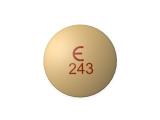
Generic Rabeprazole ( Rabeprazole sodium )


Rabeprazole
| Active ingredient | Rabeprazole |
|---|---|
| Mechanism of action | Proton pump inhibitor; irreversibly blocks gastric H+/K+ ATPase |
| Common dose | 20 mg once daily before meals |
| What is it used for? | Gastro-oesophageal reflux disease, duodenal ulcer healing, Zollinger-Ellison syndrome |
| Important information on taking | Take on an empty stomach; Swallow whole; Do not crush or split |
| Common side effects | Headache, diarrhoea, abdominal pain, fatigue, nausea |
| Serious risks | Clostridioides difficile infection, hypomagnesemia, vitamin B12 deficiency, hepatic dysfunction |
| Interactions | Increased plasma levels with CYP2C19 inhibitors; reduced effect with CYP inducers; may affect clopidogrel activation |
| Contraindications | Hypersensitivity to rabeprazole or any component; severe hepatic impairment |
| Legal status | Prescription-only medicinal product (Rx) |
An overview of Rabeprazole
What is Rabeprazole and how does it work?
Rabeprazole is a proton pump inhibitor that is used to decrease gastric acid production. It acts by irreversibly binding to the h+/k+ atpase enzyme of the stomach's parietal cells. This binding prevents the exchange of hydrogen ions for potassium ions and thereby blocks acid secretion. The reduction in acidity promotes healing of damaged esophageal tissue and relieves reflux symptoms. After oral administration the drug is absorbed in the small intestine and becomes active in the acidic environment. Through this targeted inhibition of proton pumps the medication provides sustained acid suppression with a predictable pharmacologic profile.
Understanding the pharmacological properties of Rabeprazole
Rabeprazole is a proton pump inhibitor medication used to reduce gastric acid secretion. It is primarily prescribed for the treatment of gastroesophageal reflux disease and peptic ulcer healing. The drug acts by irreversibly binding to the hydrogen-potassium atpase system of parietal cells in the stomach lining. This binding prevents the final step of acid production and leads to a sustained decrease in gastric acidity. By lowering acid levels the medication alleviates symptoms such as heartburn and promotes mucosal repair. The inhibition of acid secretion is achieved through covalent modification of the enzyme that transports protons into the lumen. Pharmacokinetic studies show that Rabeprazole is rapidly absorbed after oral administration and undergoes metabolic conversion in the liver to active sulfenic acid metabolites. The sustained pharmacodynamic effect results from the irreversible nature of the enzyme inhibition despite the relatively short plasma concentration of the parent compound.
When Rabeprazole is indicated
| Gastroesophageal Reflux Disease (GERD) | 20 mg once daily for 4-8 weeks |
|---|---|
| Peptic Ulcer Disease | 40 mg once daily for 4-6 weeks |
| Zollinger-Ellison Syndrome | 60 mg twice daily (duration individualized) |
Side effects of Rabeprazole you should know about
Side effects of Rabeprazole
Rabeprazole may cause headache in some patients. It can also lead to diarrhea or abdominal pain occasionally. Some users experience nausea or vomiting. Rarely, the medication is associated with liver enzyme elevations. It may also cause dizziness or mild fatigue in certain individuals. Most side effects are mild and typically resolve without intervention.
Essential considerations before taking Rabeprazole
Rabeprazole is a proton pump inhibitor used to reduce stomach acid production. Commonly reported side effects include headache, dizziness, and mild diarrhea. Some individuals may experience abdominal pain or nausea during treatment. Less frequent effects can involve skin rash, itching, or changes in taste sensation. Rarely, liver enzyme elevations have been observed in clinical studies. These reactions are generally mild and do not require treatment unless they persist.
Common effects experienced with Rabeprazole
- Headache
- Diarrhea
- Nausea
- Flatulence
- Constipation
- Fatigue
Rabeprazole offers a potent, once-daily option for reducing stomach acid and healing peptic ulcers, but its benefits are maximized only when taken consistently on an empty stomach and combined with lifestyle adjustments. Remember to take the medication exactly as prescribed, avoid missing doses, and do not double up if you forget a pill. Pay attention to potential interactions with certain antifungals, hiv protease inhibitors, or other acid-reducing agents, and discuss any new over-the-counter supplements with your healthcare provider. If you experience persistent abdominal pain, unexplained weight loss, or severe diarrhea, seek medical attention promptly. It's wise to avoid excessive alcohol and spicy foods that can aggravate gastric irritation, and to stay hydrated to support overall digestive health. Finally, schedule periodic check-ups to monitor both symptom control and any long-term safety concerns, ensuring that Rabeprazole continues to work safely for you.
 Jose C. Maria-Rios, M.D.
: ABEM, ABEM Certified, Critical Care, Emergency Medicine, Internal Medicine
Jose C. Maria-Rios, M.D.
: ABEM, ABEM Certified, Critical Care, Emergency Medicine, Internal Medicine


 Paul Anthony Testa, M.D.
: ABEM Certified, Emergency Medicine
Paul Anthony Testa, M.D.
: ABEM Certified, Emergency Medicine
 Daniel Imas, M.D.
: ABEM Certified, Emergency Medicine
Daniel Imas, M.D.
: ABEM Certified, Emergency Medicine
 William Fleischman, M.D.
: ABEM Certified, Emergency Medicine
William Fleischman, M.D.
: ABEM Certified, Emergency Medicine
 Matthew Robert Lohse, M.D.
: ABEM Certified, Advanced Emergency Medicine Ultrasonography, Emergency Medicine, Focused Practice Designation, Ultrasonography, Ultrasound
Matthew Robert Lohse, M.D.
: ABEM Certified, Advanced Emergency Medicine Ultrasonography, Emergency Medicine, Focused Practice Designation, Ultrasonography, Ultrasound
 Tahisha Nicole Tolbert, M.D.
: ABEM Certified, Emergency Medicine
Tahisha Nicole Tolbert, M.D.
: ABEM Certified, Emergency Medicine
 Mathew Goebel, M.D.
: ABEM Certified, Board Certification, Emergency Medical Services, Emergency Medicine
Mathew Goebel, M.D.
: ABEM Certified, Board Certification, Emergency Medical Services, Emergency Medicine


| Shipping method | Delivery time | Price | |
| Airmail service Delivery | 14-21 days | 14.95$ | Tracking# available in 4 days |
| Trackable service Delivery | 9-14 days | 30$ | Tracking# available in 2 days |
- Shipping worldwide
- Confidentiality and anonymity guarantee
- Safe and secure
- Discrete looking packages
- Dispatch orders within 24 hours
- 100% success delivery