


- Bestsellers
- Alcoholism
- Allergy
- Alzheimers
- Anti Fungal
- Anti Viral
- Anti-Depressants
- Anti-Inflammatory
- Antibacterial
- Antibiotics
- Antiparasitic
- Arthritis
- Asthma
- Birth Control
- Blood Pressure
- COVID-19
- Cancer
- Cardiovascular
- Cholesterol
- Diabetes
- Diuretics
- Erectile Dysfunction
- Eye Drop
- Gastro Health
- General Health
- HIV
- Hair Loss
- Hepatitis C Virus (HCV)
- Herbals
- Hormones
- Men's ED Packs
- Men's Health
- Mental Illness
- Motion Sickness
- Muscle Relaxant
- Pain Relief
- Parkinson’s Disease
- Quit Smoking
- Skin Care
- Sleeping Aids
- Veterinary Medicines
- Vitamins
- Weight Loss
- Women's Health

Generic Naltrexone ( Naltrexone hydrochloride )
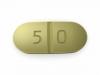

Naltrexone
| Active ingredient | Naltrexone |
|---|---|
| Mechanism of action | Opioid receptor antagonist that blocks mu receptors, reducing cravings and promoting abstinence. |
| Common dose | Typical oral dose 50 mg once daily; extended-release injectable 380 mg monthly. |
| What is it used for? | Treatment of alcohol use disorder and opioid use disorder as part of medication-assisted therapy. |
| Important information on taking | Must be started after detox; avoids use during active opioid use to prevent precipitated withdrawal. |
| Common side effects | Nausea, headache, fatigue, dizziness, abdominal pain. |
| Serious risks | Hepatic enzyme elevation, severe opioid withdrawal, rare liver injury, hypersensitivity reactions. |
| Interactions | May precipitate opioid withdrawal; caution with other centrally-acting opioids and hepatically metabolized drugs. |
| Contraindications | Acute opioid withdrawal, severe liver disease, current opioid dependence without supervision. |
| Legal status | Prescription-only medication; FDA/EMA-approved; sometimes scheduled as a controlled substance. |
An overview of Naltrexone
Understanding the definition and mechanism of action of Naltrexone
Naltrexone is an opioid antagonist medication used primarily to treat alcohol dependence and opioid use disorder. Its therapeutic role involves reducing cravings and blocking the euphoric effects of opioids and alcohol to support abstinence. The drug works by binding to and competitively inhibiting the mu, kappa, and delta opioid receptors in the central nervous system. This receptor blockade prevents endogenous opioids from activating reward pathways that reinforce substance use. By dampening these pathways, Naltrexone helps regulate the brain's stress and emotional responses that often trigger relapse. The medication is administered orally or via extended-release injection, allowing sustained receptor occupancy over days. Its active ingredient travels through the bloodstream to cross the blood-brain barrier, engaging peripheral immune cells and glial cells that modulate inflammation. Through these peripheral effects, Naltrexone contributes to a broader anti-inflammatory profile that may improve overall wellbeing for patients in recovery.
Pharmacological properties of Naltrexone
Naltrexone is an opioid antagonist used to reduce cravings for alcohol and opioids. It works by binding to opioid receptors and blocking the effects of endogenous opioids. By preventing activation of these receptors it diminishes the rewarding sensations associated with substance use. This blockade helps restore normal brain signaling and supports recovery efforts. The medication does not produce euphoria itself but reverses the pharmacological actions of opioids. Its therapeutic role is to aid relapse prevention by maintaining a drug-free state.
Clinical indications for Naltrexone
| Alcohol Use Disorder | 50 mg daily, usually for 12 weeks or longer |
|---|---|
| Opioid Dependence | 50 mg once daily, often maintained for several months |
| Hepatitis C (adjunct) | 50 mg daily, typically continued for the duration of antiviral therapy (12-24 weeks) |
Common side effects of Naltrexone
Side effects of Naltrexone you should know about
Naltrexone is an opioid antagonist used to treat alcohol and opioid dependence. Common side effects include nausea headache fatigue. Some patients may experience abdominal pain or loss of appetite. Rarely the medication can cause liver enzyme elevations or allergic reactions. It does not cause sedation or respiratory depression at therapeutic doses. The drug may interact with other medications that affect the central nervous system. Most side effects are mild and often improve with continued use
What to know before starting Naltrexone
Naltrexone can cause nausea and occasional vomiting. Some individuals experience headache or dizziness. Liver function may be affected in rare cases. It may lead to reduced appetite or weight loss. Sleep disturbances such as insomnia or vivid dreams have been reported. Mood changes including irritability or depression can occur. Injection site reactions are possible when the medication is administered by health professionals. These effects are generally mild and often improve over time.
Typical reactions to Naltrexone
- Nausea
- Headache
- Dizziness
- Drowsiness
- Anxiety
Naltrexone offers a valuable pharmacological option for individuals seeking to reduce alcohol consumption or prevent relapse in opioid use disorder, but its effectiveness is maximized only when combined with behavioral counseling and regular medical supervision. It works by blocking opioid and alcohol receptors without producing the rewarding "high" associated with these substances, thereby helping to curb cravings and maintain abstinence. However, patients must be carefully evaluated for liver function, opioid tolerance, and potential drug interactions, as Naltrexone can precipitate withdrawal in opioid-dependent individuals and should be avoided in those still actively using opioids. For potential users, it is essential to undergo a thorough medical assessment, adhere strictly to prescribed dosing, and engage in supportive therapies such as counseling or support groups. Starting with a modest dose and monitoring for side effects can facilitate a smoother transition, while ongoing discussions with healthcare providers ensure any adjustments are made promptly. Ultimately, Naltrexone can be a powerful tool in recovery when used responsibly, safely, and as part of a comprehensive treatment plan.
 Nicholas Cochran-Caggiano
: ABEM Certified, Board Certification, Emergency Medical Services, Emergency Medicine
Nicholas Cochran-Caggiano
: ABEM Certified, Board Certification, Emergency Medical Services, Emergency Medicine

 David Scott Duffy, M.D.
: ABEM Certified, Emergency Medicine
David Scott Duffy, M.D.
: ABEM Certified, Emergency Medicine
 Ira Gordon Early, M.D.
: Certification, Medical Toxicology
Ira Gordon Early, M.D.
: Certification, Medical Toxicology
 Ryan J. Reece, MD, NRP, FACEP
: ABEM Certified, Addiction, Board Certification, DEA, Emergency Medical Services, Emergency Medicine, MyEMCert, opioids, Substance Use Disorder
Ryan J. Reece, MD, NRP, FACEP
: ABEM Certified, Addiction, Board Certification, DEA, Emergency Medical Services, Emergency Medicine, MyEMCert, opioids, Substance Use Disorder
 William Fleischman, M.D.
: ABEM Certified, Emergency Medicine
William Fleischman, M.D.
: ABEM Certified, Emergency Medicine
 Daniel Leiva, D.O.
: ABEM Certified, Emergency Medicine
Daniel Leiva, D.O.
: ABEM Certified, Emergency Medicine

 Jordan Biet Barnett, M.D. MBA
: ABEM Certified, Emergency Medicine
Jordan Biet Barnett, M.D. MBA
: ABEM Certified, Emergency Medicine


| Shipping method | Delivery time | Price | |
| Airmail service Delivery | 14-21 days | 14.95$ | Tracking# available in 4 days |
| Trackable service Delivery | 9-14 days | 30$ | Tracking# available in 2 days |
- Shipping worldwide
- Confidentiality and anonymity guarantee
- Safe and secure
- Discrete looking packages
- Dispatch orders within 24 hours
- 100% success delivery