


- Bestsellers
- Alcoholism
- Allergy
- Alzheimers
- Anti Fungal
- Anti Viral
- Anti-Depressants
- Anti-Inflammatory
- Antibacterial
- Antibiotics
- Antiparasitic
- Arthritis
- Asthma
- Birth Control
- Blood Pressure
- COVID-19
- Cancer
- Cardiovascular
- Cholesterol
- Diabetes
- Diuretics
- Erectile Dysfunction
- Eye Drop
- Gastro Health
- General Health
- HIV
- Hair Loss
- Hepatitis C Virus (HCV)
- Herbals
- Hormones
- Men's ED Packs
- Men's Health
- Mental Illness
- Motion Sickness
- Muscle Relaxant
- Pain Relief
- Parkinson’s Disease
- Quit Smoking
- Skin Care
- Sleeping Aids
- Veterinary Medicines
- Vitamins
- Weight Loss
- Women's Health
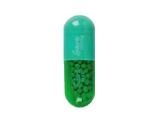
Generic Minocin ( Minocycline hydrochloride )

Minocin
| Active ingredient | Minocycline |
|---|---|
| Mechanism of action | Inhibits bacterial protein synthesis by binding to the 30S ribosomal subunit, preventing tRNA entry. |
| Common dose | Typically 100 mg twice daily (may start with 200 mg then maintain 100 mg daily). |
| What is it used for? | Treatment of susceptible bacterial infections, including acne, urinary-tract infections, and respiratory infections. |
| Important information on taking | Take with a full glass of water; do not lie down for 30minutes after dosing; avoid dairy products near the time of intake. |
| Common side effects | Nausea, vomiting, dizziness, photosensitivity, mild headache. |
| Serious risks | Autoimmune hepatitis, severe allergic reactions, intracranial hypertension. |
| Interactions | May increase effects of warfarin, isotretinoin, and methoxyflurane; can reduce efficacy of oral contraceptives. |
| Contraindications | Hypersensitivity to tetracyclines, pregnancy, and children under 8 years. |
| Legal status | Prescription-only medication (Rx) in most jurisdictions. |
Exploring the basics of Minocin
What is Minocin and how does it work?
Minocin is a tetracycline antibiotic marketed under the name minocycline. It is prescribed to treat bacterial infections such as acne and urinary tract infections. The drug works by binding to the bacterial ribosomal subunits which prevents protein synthesis. This inhibition of protein synthesis halts bacterial growth and ultimately leads to cell death. Minocin also has anti-inflammatory properties that can benefit certain skin conditions. Its lipophilic structure allows it to penetrate tissues and achieve therapeutic concentrations at infected sites. The combined antibacterial and anti-inflammatory effects give it a broad therapeutic role in medicine.
Key pharmacological features and clinical properties of Minocin
Minocin is a tetracycline antibiotic used to treat bacterial infections. It works by binding to the bacterial ribosomal subunits that assemble proteins. This binding blocks the addition of amino acids to the growing peptide chain. The inhibition stops bacterial protein synthesis leading to cell death. Because it targets only bacterial ribosomes it spares human cells from direct toxicity. Its lipophilic structure allows it to penetrate tissues such as acne lesions and respiratory mucosa. The drug is metabolized slowly providing prolonged antibacterial activity.
Minocin: typical uses
| Acne | 100 mg twice daily for 8-12 weeks |
|---|---|
| Severe bacterial pneumonia | 200 mg once daily for 7 days |
| Community-acquired MRSA infection | 400 mg twice daily for 10 days |
Side effects of Minocin you should know about
Common reactions Minocin can cause
Minocin may cause nausea and occasional vomiting. Some users report mild headache that usually subsides without intervention. Skin reactions such as rash or itching can appear in a small number of patients. The medication may increase sensitivity to sunlight resulting in easier sunburn. Dizziness or lightheadedness is sometimes reported especially when standing up quickly. Gastrointestinal upset including loss of appetite has been observed occasionally.
Important information to consider before taking Minocin
Minocin may cause mild nausea in some individuals. Headache is another frequently reported side effect. Some people experience dizziness or lightheadedness while taking the medication. Skin reactions such as rash or itching can occur. Discoloration of urine, often appearing as a yellow or brown tint, is common. Sensitivity to sunlight may increase, leading to easier sunburn. In rare cases gastrointestinal discomfort such as diarrhea or abdominal cramps may develop.
Common reactions associated with Minocin
- Nausea and vomiting
- Diarrhea
- Esophagitis or esophageal irritation
- Photosensitivity (skin reactions to sunlight)
- Dizziness or vertigo
Minocin (minocycline) is an effective broad-spectrum antibiotic that can be a valuable option for treating bacterial infections when first-line therapies are unsuitable. Because it stays in the body longer than some other tetracyclines, it often requires fewer daily doses, which can improve patient adherence. However, its use must be balanced against the risk of side effects such as gastrointestinal upset, photosensitivity, and, rarely, autoimmune reactions. Patients should take the medication with a full glass of water and avoid taking it with dairy products or iron supplements, which can diminish absorption. It is essential to complete the full prescribed course to prevent the development of resistant bacteria, even if symptoms improve early. If you notice signs of severe skin reactions, persistent diarrhea, or changes in vision, seek medical attention promptly. Finally, always discuss with your healthcare provider any other medications you are using and confirm that minocycline is appropriate for your specific condition and health history.

 Kevin Thomas O'Mara, M.D.
: ABEM Certified, Emergency Medicine
Kevin Thomas O'Mara, M.D.
: ABEM Certified, Emergency Medicine
 Chad Jeffrey Jensen, M.D.
: ABEM Certified, Emergency Medicine
Chad Jeffrey Jensen, M.D.
: ABEM Certified, Emergency Medicine
 Jason Lai, M.D.
: ABEM Certified, Emergency Medicine
Jason Lai, M.D.
: ABEM Certified, Emergency Medicine
 Esmael Mayar, M.D.
: ABEM Certified, Advanced Emergency Medicine Ultrasonography, Emergency Medicine, Focused Practice Designation, Ultrasonography, Ultrasound
Esmael Mayar, M.D.
: ABEM Certified, Advanced Emergency Medicine Ultrasonography, Emergency Medicine, Focused Practice Designation, Ultrasonography, Ultrasound

 Mila L. Felder, M.D.
: ABEM Certified, Emergency Medicine
Mila L. Felder, M.D.
: ABEM Certified, Emergency Medicine
 Ryan Nicholas Renfro, M.D.
: ABEM Certified, Emergency Medicine
Ryan Nicholas Renfro, M.D.
: ABEM Certified, Emergency Medicine
 Luke
: ABEM Certified, Emergency Medicine
Luke
: ABEM Certified, Emergency Medicine


| Shipping method | Delivery time | Price | |
| Airmail service Delivery | 14-21 days | 14.95$ | Tracking# available in 4 days |
| Trackable service Delivery | 9-14 days | 30$ | Tracking# available in 2 days |
- Shipping worldwide
- Confidentiality and anonymity guarantee
- Safe and secure
- Discrete looking packages
- Dispatch orders within 24 hours
- 100% success delivery