


- Bestsellers
- Alcoholism
- Allergy
- Alzheimers
- Anti Fungal
- Anti Viral
- Anti-Depressants
- Anti-Inflammatory
- Antibacterial
- Antibiotics
- Antiparasitic
- Arthritis
- Asthma
- Birth Control
- Blood Pressure
- COVID-19
- Cancer
- Cardiovascular
- Cholesterol
- Diabetes
- Diuretics
- Erectile Dysfunction
- Eye Drop
- Gastro Health
- General Health
- HIV
- Hair Loss
- Hepatitis C Virus (HCV)
- Herbals
- Hormones
- Men's ED Packs
- Men's Health
- Mental Illness
- Motion Sickness
- Muscle Relaxant
- Pain Relief
- Parkinson’s Disease
- Quit Smoking
- Skin Care
- Sleeping Aids
- Veterinary Medicines
- Vitamins
- Weight Loss
- Women's Health
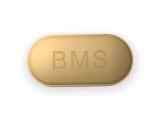
Generic Metformin + Glyburide

Metformin + Glyburide
| Active ingredient | Metformin (biguanide) + Glyburide (sulfonylurea) |
|---|---|
| Mechanism of action | Metformin: decreases hepatic gluconeogenesis, improves insulin sensitivity. Glyburide: stimulates pancreatic b-cells to increase insulin secretion. |
| Common dose | Metformin 500-2000 mg per day; Glyburide 1-10 mg per day (dose titrated) |
| What is it used for? | Type 2 diabetes mellitus, often when monotherapy is insufficient. |
| Important information on taking | Take with meals; monitor blood glucose regularly; be aware of risk of hypoglycemia. |
| Common side effects | Metformin: GI upset, metallic taste; Glyburide: hypoglycemia; possible weight gain. |
| Serious risks | Metformin: lactic acidosis (esp. renal impairment); Glyburide: severe hypoglycemia. |
| Interactions | Increased risk of lactic acidosis with IV contrast, certain diuretics; additive hypoglycemia with other insulin secretagogues. |
| Contraindications | Moderate-severe renal impairment, active liver disease, heart failure NYHA class IV. |
| Legal status | Prescription-only medication. |
A closer look at Metformin + Glyburide and how it works
What is Metformin + Glyburide and how does it work?
Metformin + Glyburide is a prescription medication that combines two oral antidiabetic agents for the treatment of type 2 diabetes. It is formulated as a single tablet that delivers both active ingredients in fixed proportions to improve blood glucose control. The drug works by lowering hepatic glucose production and increasing peripheral insulin sensitivity. Metformin reduces hepatic gluconeogenesis and enhances insulin mediated glucose uptake in muscle tissue. Glyburide stimulates pancreatic beta cells to release more insulin, thereby raising circulating insulin levels. Together they address insulin resistance and beta cell dysfunction, leading to decreased fasting and postprandial glucose concentrations. The medication ultimately improves glycemic control by decreasing the liver's release of glucose and increasing the body's response to endogenous insulin. Its therapeutic effect results from the synergistic action of the two agents on glucose metabolism pathways.
Pharmacological characteristics of Metformin + Glyburide
Metformin + Glyburide is a prescription combination used to improve blood sugar control in type 2 diabetes. Metformin belongs to the biguanide class and reduces hepatic glucose production by inhibiting gluconeogenesis. It also decreases intestinal absorption of glucose and enhances peripheral insulin sensitivity through activation of the amp-activated protein kinase pathway. Glyburide is a sulfonylurea that binds to the pancreatic k-atp channel on beta cells, leading to closure of the channel and an influx of calcium that triggers insulin release. Together they target complementary pathways, allowing lower doses of each drug while achieving consistent glycemic lowering. The biochemical sequence therefore involves suppression of liver glucose output and stimulation of pancreatic insulin secretion. This coordinated pharmacology underlies the therapeutic effect of improving overall glucose homeostasis without directly affecting insulin receptor signaling.
Clinical indications for Metformin + Glyburide
| Type 2 Diabetes | 500 mg once daily, titrate to 1000 mg twice daily, continue long-term |
|---|---|
| PCOS | 500 mg twice daily, for 12 weeks |
| Obesity-related insulin resistance | 500 mg once daily, for 6 months |
The most common side effects
Common side effects of Metformin + Glyburide
Metformin may cause gastrointestinal discomfort such as nausea or diarrhea. Glyburide can lead to low blood sugar levels resulting in dizziness or weakness. Both drugs sometimes cause headaches that are usually mild. Metformin occasionally produces a metallic taste in the mouth. Glyburide may increase the risk of skin rash or itching. Some people experience mild swelling in the hands or feet. These effects are generally temporary and often improve with continued use.
Things you should be aware of before using Metformin + Glyburide
Metformin commonly causes nausea and diarrhea when first taken. It may also lead to a metallic taste or mild abdominal discomfort. Glyburide frequently produces low blood sugar episodes manifesting as dizziness or sweating. Both agents can cause headache and fatigue as early reactions. Prolonged use of metformin may result in reduced vitamin b12 levels over time. Combining the two medications can increase the risk of hypoglycemia compared with either drug alone.
Typical reactions to Metformin + Glyburide
- Hypoglycemia
- Gastrointestinal upset
- Vitamin B12 deficiency
- Lactic acidosis (rare)
- Skin rash
When considering Metformin + Glyburide, remember that while this combination can effectively manage blood sugar, it carries a significant risk of hypoglycemia (low blood sugar), especially when starting or adjusting doses. Always work closely with your healthcare provider to determine the correct dosage and monitor your blood glucose levels regularly. Never adjust your dose without medical advice, as even small changes can trigger dangerous lows. Be vigilant about recognizing symptoms like dizziness, sweating, or confusion, and keep fast-acting carbohydrates handy. Crucially, avoid skipping meals or excessive alcohol, which can amplify hypoglycemia risk. Never share this medication with others, as it's tailored to your specific health profile. Finally, consistently communicate any concerns or side effects to your doctor to ensure safe and effective management. Your safety depends on proactive collaboration with your healthcare team, not self-management of complex medication regimens.
 Ashley Grant, D.O.
: ABEM Certified, Advanced Emergency Medicine Ultrasonography, Emergency Medicine, Focused Practice Designation, Ultrasonography, Ultrasound
Ashley Grant, D.O.
: ABEM Certified, Advanced Emergency Medicine Ultrasonography, Emergency Medicine, Focused Practice Designation, Ultrasonography, Ultrasound

 Rebekah Hodge, M.D.
: ABEM, ABEM Certified, Critical Care, Emergency Medicine, Internal Medicine
Rebekah Hodge, M.D.
: ABEM, ABEM Certified, Critical Care, Emergency Medicine, Internal Medicine

 Robert Boyd Tober, M.D.
: ABEM Certified, Emergency Medicine
Robert Boyd Tober, M.D.
: ABEM Certified, Emergency Medicine
 Kyle Grimaldi, M.D.
: ABEM Certified, Emergency Medicine, MyEMCert, Resuscitation
Ashley Grant, D.O.
: ABEM Certified, Advanced Emergency Medicine Ultrasonography, Emergency Medicine, Focused Practice Designation, Ultrasonography, Ultrasound
Kyle Grimaldi, M.D.
: ABEM Certified, Emergency Medicine, MyEMCert, Resuscitation
Ashley Grant, D.O.
: ABEM Certified, Advanced Emergency Medicine Ultrasonography, Emergency Medicine, Focused Practice Designation, Ultrasonography, Ultrasound
 William Fleischman, M.D.
: ABEM Certified, Emergency Medicine
William Fleischman, M.D.
: ABEM Certified, Emergency Medicine
 Devin Matthew Howell, D.O.
: ABEM Certified, Board Certification, Emergency Medical Services, Emergency Medicine
Devin Matthew Howell, D.O.
: ABEM Certified, Board Certification, Emergency Medical Services, Emergency Medicine
 David L. Francis, M.D.
: ABEM Certified, Addiction, DEA, Emergency Medicine, MyEMCert, opioids, Substance Use Disorder
David L. Francis, M.D.
: ABEM Certified, Addiction, DEA, Emergency Medicine, MyEMCert, opioids, Substance Use Disorder


| Shipping method | Delivery time | Price | |
| Airmail service Delivery | 14-21 days | 14.95$ | Tracking# available in 4 days |
| Trackable service Delivery | 9-14 days | 30$ | Tracking# available in 2 days |
- Shipping worldwide
- Confidentiality and anonymity guarantee
- Safe and secure
- Discrete looking packages
- Dispatch orders within 24 hours
- 100% success delivery