


- Bestsellers
- Alcoholism
- Allergy
- Alzheimers
- Anti Fungal
- Anti Viral
- Anti-Depressants
- Anti-Inflammatory
- Antibacterial
- Antibiotics
- Antiparasitic
- Arthritis
- Asthma
- Birth Control
- Blood Pressure
- COVID-19
- Cancer
- Cardiovascular
- Cholesterol
- Diabetes
- Diuretics
- Erectile Dysfunction
- Eye Drop
- Gastro Health
- General Health
- HIV
- Hair Loss
- Hepatitis C Virus (HCV)
- Herbals
- Hormones
- Men's ED Packs
- Men's Health
- Mental Illness
- Motion Sickness
- Muscle Relaxant
- Pain Relief
- Parkinson’s Disease
- Quit Smoking
- Skin Care
- Sleeping Aids
- Veterinary Medicines
- Vitamins
- Weight Loss
- Women's Health
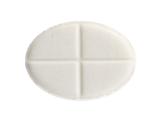
Medrol ( Methylprednisolone )


Medrol
| Active ingredient | Methylprednisolone |
|---|---|
| Mechanism of action | Synthetic glucocorticoid that binds intracellular glucocorticoid receptors and modulates transcription of anti-inflammatory genes. |
| Common dose | Typically 4-48 mg orally per day (dose packs such as 4 mg x6 tablets); exact regimen depends on the condition. |
| What is it used for? | Treatment of inflammatory and allergic disorders such as arthritis, asthma, skin diseases, and multiple sclerosis relapses. |
| Important information on taking | Take with food; a tapering schedule may be required; avoid abrupt discontinuation; monitor blood glucose and blood pressure. |
| Common side effects | Insomnia, mood changes, increased appetite, fluid retention. |
| Serious risks | Osteoporosis, adrenal suppression, hypertension, exacerbation of diabetes, psychiatric effects. |
| Interactions | May interact with NSAIDs, anticoagulants, live vaccines, CYP3A4 inhibitors/inducers, and other immunosuppressants. |
| Contraindications | Hypersensitivity to methylprednisolone, active infections, uncontrolled psychiatric illness, severe heart failure. |
| Legal status | Prescription-only medication (Rx) in most jurisdictions. |
Exploring the basics of Medrol
Definition and mechanism of action of Medrol
Medrol is the trade name for the synthetic corticosteroid methylprednisolone acetate. It is used as an anti-inflammatory and immunosuppressant medication in clinical practice. The drug works by binding to intracellular glucocorticoid receptors that trigger changes in gene transcription. These transcriptional changes reduce the production of inflammatory cytokines and modulate immune cell activity. The resulting decrease in cytokine levels and immune response leads to reduced swelling pain and tissue damage. Because of its longer duration of action it provides sustained therapeutic effect compared with shorter acting steroids.
Pharmacological properties of Medrol
Medrol is the brand name for the synthetic glucocorticoid methylprednisolone. It possesses anti-inflammatory, immunosuppressive, and antiallergic properties that result from binding to intracellular glucocorticoid receptors. Upon activation the receptor complex translocates to the nucleus and modulates gene expression to reduce the production of inflammatory mediators. The drug's pharmacokinetics include rapid absorption after oral administration and a distribution phase that favors highly vascular tissues. Its anti-inflammatory effect is achieved by inhibition of phospholipase a2 and suppression of cytokine release. These actions collectively diminish swelling, pain, and immune cell activation, providing therapeutic benefit in a wide range of inflammatory disorders.
Therapeutic indications for Medrol
| Allergic rhinitis | 4 mg PO once daily for 5 days |
|---|---|
| Acute asthma exacerbation | 16 mg PO daily for 3 days |
| Ulcerative colitis flare | 48 mg PO daily for 2 weeks |
Common reactions Medrol can cause
The most common side effects
Headache is often reported after many types of medication. Mild stomach discomfort may occur shortly after ingestion. Drowsiness can affect some individuals during the first few hours. Nausea is a frequent complaint among patients taking certain treatments. Dizziness may appear when standing up quickly. Muscle aches are sometimes observed without an obvious cause. Skin redness or itching can develop in localized areas. Fatigue is commonly noted after prolonged periods of activity.
What should I note before taking Medrol?
Fatigue is frequently reported among users of certain treatments. Headaches often occur as a mild reaction. Nausea can appear temporarily. Dizziness may be experienced during initial periods. Mild fever is sometimes observed. Sleep disturbances can affect some individuals.
Frequently reported effects of Medrol
- Insomnia
- Increased appetite
- Fluid retention
- Headache
- Elevated blood pressure
- Nausea
Medrol (methylprednisolone) is a potent synthetic corticosteroid that effectively reduces inflammation, swelling, and immune-mediated symptoms across a wide range of conditions, from acute arthritis flares to severe allergic reactions. Its rapid-acting formulation provides quick symptom relief, but prolonged use can suppress the hypothalamic-pituitary-adrenal axis, increase blood glucose, and heighten infection risk. To minimize these hazards, taper the dose gradually rather than stopping abruptly and monitor blood pressure, glucose, and bone density at regular intervals. Take the medication with food or milk to lessen gastrointestinal irritation, and avoid live vaccines while your immune system is suppressed. Stay hydrated, maintain a balanced diet rich in calcium and vitamin d, and incorporate weight-bearing exercise to protect bone health. Finally, always discuss any concurrent medications, underlying conditions, or plans for pregnancy with your healthcare provider before starting or changing your Medrol regimen.

 Luis Antonio Pellicia, M.D.
: ABEM Certified, Emergency Medicine
Luis Antonio Pellicia, M.D.
: ABEM Certified, Emergency Medicine
 Mark Alexander Sloan, M.D.
: ABEM Certified, Emergency Medicine
Mark Alexander Sloan, M.D.
: ABEM Certified, Emergency Medicine
 Adeel Saqib, M.D.
: ABEM Certified, Emergency Medicine
Adeel Saqib, M.D.
: ABEM Certified, Emergency Medicine
 Glenn Alan Birnbaum, M.D.
: ABEM Certified, Emergency Medicine
Glenn Alan Birnbaum, M.D.
: ABEM Certified, Emergency Medicine


| Shipping method | Delivery time | Price | |
| Airmail service Delivery | 14-21 days | 14.95$ | Tracking# available in 4 days |
| Trackable service Delivery | 9-14 days | 30$ | Tracking# available in 2 days |
- Shipping worldwide
- Confidentiality and anonymity guarantee
- Safe and secure
- Discrete looking packages
- Dispatch orders within 24 hours
- 100% success delivery