


- Bestsellers
- Alcoholism
- Allergy
- Alzheimers
- Anti Fungal
- Anti Viral
- Anti-Depressants
- Anti-Inflammatory
- Antibacterial
- Antibiotics
- Antiparasitic
- Arthritis
- Asthma
- Birth Control
- Blood Pressure
- COVID-19
- Cancer
- Cardiovascular
- Cholesterol
- Diabetes
- Diuretics
- Erectile Dysfunction
- Eye Drop
- Gastro Health
- General Health
- HIV
- Hair Loss
- Hepatitis C Virus (HCV)
- Herbals
- Hormones
- Men's ED Packs
- Men's Health
- Mental Illness
- Motion Sickness
- Muscle Relaxant
- Pain Relief
- Parkinson’s Disease
- Quit Smoking
- Skin Care
- Sleeping Aids
- Veterinary Medicines
- Vitamins
- Weight Loss
- Women's Health
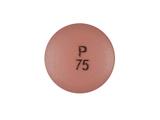
Generic Januvia ( Sitagliptin phosphate )


Januvia
| Active ingredient | Sitagliptin |
|---|---|
| Mechanism of action | DPP-4 inhibitor that increases incretin hormones (GLP-1 and GIP) to enhance insulin secretion and suppress glucagon. |
| Common dose | 100 mg once daily (may be 25 mg or 50 mg for adjusted renal function) |
| What is it used for? | Type2 diabetes mellitus |
| Important information on taking | Take once daily with or without food; do not crush; follow prescribed regimen and monitor blood glucose. |
| Common side effects | Nasopharyngitis, urinary tract infection, headache, diarrhea |
| Serious risks | Acute pancreatitis, severe joint pain, hypersensitivity reactions, hepatic impairment |
| Interactions | May interact with drugs metabolized by CYP3A4/2C8; caution with strong inhibitors or inducers; consult physician. |
| Contraindications | Hypersensitivity to sitagliptin, prior pancreatitis, severe renal impairment (dose adjustment required), pregnancy/breastfeeding only if benefit outweighs risk. |
| Legal status | Prescription-only medication (Rx) in most jurisdictions; not available over-the-counter. |
Exploring the basics of Januvia
What is Januvia and how does it work?
Januvia is a prescription medication used to treat type 2 diabetes. It belongs to a class of drugs called dpp-4 inhibitors. The drug works by blocking the enzyme dipeptidyl peptidase-4 that breaks down incretin hormones. Inhibition of this enzyme increases levels of incretins that stimulate insulin release. It also reduces glucagon secretion which lowers blood glucose after meals. The combined effect helps lower blood sugar without causing hypoglycemia when used alone. It is taken orally once daily as part of a broader treatment plan.
Key pharmacological features and clinical properties of Januvia
Januvia is a prescription medication used to manage type 2 diabetes. Its active ingredient, sitagliptin, belongs to a class of drugs called dipeptidyl peptidase-4 inhibitors. These inhibitors enhance the activity of incretin hormones that stimulate insulin release and reduce glucagon secretion. By increasing the availability of glp-1 and gip, Januvia helps lower blood glucose levels after meals. The drug works by selectively blocking the enzyme that breaks down these hormones, leading to prolonged signaling. This targeted action improves glycemic control without causing excessive insulin secretion, reducing the risk of hypoglycemia. Clinical studies have shown that Januvia effectively lowers hemoglobin a1c by about 0.5 to 0.8 percent on average. The medication is taken orally and is generally well tolerated with a low incidence of side effects.
Therapeutic indications for Januvia
| Type 2 Diabetes | 100 mg once daily; long-term treatment |
|---|---|
| Polycystic Ovary Syndrome (PCOS) | 50 mg twice daily; ongoing management |
| Non-alcoholic Steatohepatitis (NASH) | 100 mg once daily; continued therapy as prescribed |
Side effects of Januvia you should know about
The most common side effects
The most common side effects include mild headache. Temporary fatigue may also be reported. Occasional nausea can occur. Skin irritation is sometimes observed. Mild dizziness may appear. These reactions are generally short lived.
What should I note before taking Januvia?
The most frequently reported side effects are mild and temporary. These often include headache and dizziness. Some people experience nausea or fatigue. Muscle aches may also occur occasionally. Mild fever is another symptom that can appear. Skin redness or irritation is sometimes observed. These reactions typically resolve without intervention. Serious complications are rare.
Common reactions associated with Januvia
- Nasopharyngitis
- Headache
- Diarrhea
- Nasal congestion
- Urinary tract infection
Januvia (sitagliptin) can be an effective addition to a diabetes management plan because it helps regulate blood sugar by enhancing the gut's incretin hormones and carries a relatively low risk of hypoglycemia when used alone. However, its benefits are maximized only when combined with proper diet, regular exercise, and routine blood-glucose monitoring. Patients should be aware that common side effects include mild gastrointestinal symptoms and, less frequently, pancreatitis or allergic reactions, so any persistent discomfort should be reported to a healthcare professional promptly. Before starting Januvia, individuals must discuss their full medication list and medical history with a doctor, especially if they have kidney impairment or a history of heart disease. It is essential to adhere to the prescribed dosage and avoid self-adjusting it based on blood-sugar readings. Regular follow-up appointments can help assess kidney function and overall treatment response. Finally, remember that any medication works best as part of a broader lifestyle strategy, so maintaining a balanced diet, staying active, and staying hydrated are key components of successful diabetes control.
 Matthew Robert Lohse, M.D.
: ABEM Certified, Advanced Emergency Medicine Ultrasonography, Emergency Medicine, Focused Practice Designation, Ultrasonography, Ultrasound
Matthew Robert Lohse, M.D.
: ABEM Certified, Advanced Emergency Medicine Ultrasonography, Emergency Medicine, Focused Practice Designation, Ultrasonography, Ultrasound

 Christopher Andrew McCuller, M.D.
: ABEM Certified, Emergency Medicine
Christopher Andrew McCuller, M.D.
: ABEM Certified, Emergency Medicine

 Jordan Biet Barnett, M.D. MBA
: ABEM Certified, Emergency Medicine
Jordan Biet Barnett, M.D. MBA
: ABEM Certified, Emergency Medicine
 Glenn Alan Birnbaum, M.D.
: ABEM Certified, Emergency Medicine
Glenn Alan Birnbaum, M.D.
: ABEM Certified, Emergency Medicine
 Michael Francis Spigner, MD, NRP
: ABEM Certified, Board Certification, Emergency Medical Services, Emergency Medicine
Michael Francis Spigner, MD, NRP
: ABEM Certified, Board Certification, Emergency Medical Services, Emergency Medicine
 Rebekah Hodge, M.D.
: ABEM, ABEM Certified, Critical Care, Emergency Medicine, Internal Medicine
Rebekah Hodge, M.D.
: ABEM, ABEM Certified, Critical Care, Emergency Medicine, Internal Medicine
 Nicole Wai-Ga Lau, M.D.
: ABEM Certified, Emergency Medicine
Nicole Wai-Ga Lau, M.D.
: ABEM Certified, Emergency Medicine
 Peter M. C. DeBlieux, M.D.
: ABEM Certified, Emergency Medicine
Peter M. C. DeBlieux, M.D.
: ABEM Certified, Emergency Medicine


| Shipping method | Delivery time | Price | |
| Airmail service Delivery | 14-21 days | 14.95$ | Tracking# available in 4 days |
| Trackable service Delivery | 9-14 days | 30$ | Tracking# available in 2 days |
- Shipping worldwide
- Confidentiality and anonymity guarantee
- Safe and secure
- Discrete looking packages
- Dispatch orders within 24 hours
- 100% success delivery