


- Bestsellers
- Alcoholism
- Allergy
- Alzheimers
- Anti Fungal
- Anti Viral
- Anti-Depressants
- Anti-Inflammatory
- Antibacterial
- Antibiotics
- Antiparasitic
- Arthritis
- Asthma
- Birth Control
- Blood Pressure
- COVID-19
- Cancer
- Cardiovascular
- Cholesterol
- Diabetes
- Diuretics
- Erectile Dysfunction
- Eye Drop
- Gastro Health
- General Health
- HIV
- Hair Loss
- Hepatitis C Virus (HCV)
- Herbals
- Hormones
- Men's ED Packs
- Men's Health
- Mental Illness
- Motion Sickness
- Muscle Relaxant
- Pain Relief
- Parkinson’s Disease
- Quit Smoking
- Skin Care
- Sleeping Aids
- Veterinary Medicines
- Vitamins
- Weight Loss
- Women's Health
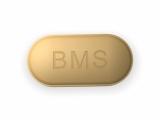
Generic Isosorbide ( Isosorbide )

Isosorbide
| Active ingredient | Isosorbide dinitrate |
|---|---|
| Mechanism of action | Converted to nitric oxide causing vasodilation |
| Common dose | 10-20 mg orally 2-3 times daily (immediate-release) or 20-40 mg once daily (extended-release) |
| What is it used for? | Prevention of angina pectoris (chest pain) in coronary artery disease |
| Important information on taking | Take as prescribed, preferably on an empty stomach; avoid abrupt discontinuation; monitor blood pressure |
| Common side effects | Headache, dizziness, flushing, peripheral edema |
| Serious risks | Severe hypotension, reflex tachycardia, rapid tolerance development |
| Interactions | Concurrent nitrates, PDE-5 inhibitors (e.g., sildenafil), other vasodilators |
| Contraindications | Hypotension, recent use of PDE-5 inhibitors, severe aortic stenosis |
| Legal status | Prescription-only medication |
Understanding Isosorbide and its purpose
How Isosorbide works in the body: definition and pharmacological action
Isosorbide is a nitrate medication that acts as a vasodilator by releasing nitric oxide. It is used to prevent and relieve episodes of angina pectoris in patients with coronary artery disease. The drug works by activating guanylate cyclase in smooth muscle cells, leading to increased cyclic gmp and relaxation of vascular tissue. This results in decreased peripheral vascular resistance and reduced preload on the heart. Secondary effects include modest reduction in left ventricular systolic pressure and increased myocardial oxygen supply. The overall pharmacologic action therefore lowers cardiac workload while improving blood flow to ischemic regions.
Pharmacological characteristics of Isosorbide
Isosorbide is a vasodilatory medication used primarily for the prevention of angina pectoris. It belongs to a class of organic nitrates that release nitric oxide in the body. Its therapeutic role is to relax vascular smooth muscle causing arterial and venous dilation which reduces myocardial oxygen demand. The pharmacologic mechanism involves conversion to nitric oxide which stimulates guanylate cyclase leading to increased cyclic gmp and smooth muscle relaxation. This results in decreased preload and afterload thereby improving cardiac efficiency. The drug is characterized by rapid onset and short duration of action suitable for acute anti-anginal therapy.
When Isosorbide is indicated
| Heart Failure | Typical dose: 5 mg, Frequency: 2-3 times/day, Duration: 6-12 months |
|---|---|
| Angina Pectoris | Typical dose: 5 mg, Frequency: 1-2 times/day, Duration: 3-6 months |
| Hypertension | Typical dose: 5 mg, Frequency: 1-2 times/day, Duration: long-term (as prescribed) |
Common reactions Isosorbide can cause
Side effects of Isosorbide you should know about
Isosorbide can cause headaches as a common side effect. Dizziness or lightheadedness may occur when standing up quickly. Some people experience flushing or warmth in the face and neck. Low blood pressure is possible, especially after the first dose. Nausea or stomach upset can be reported in some patients. Rapid heartbeat or palpitations may be felt by certain individuals. Swelling of the ankles or feet is a less frequent but recognized effect. Tolerance can develop, reducing the medication's effectiveness over time.
What to know before starting Isosorbide
Isosorbide can cause headache which is often mild to moderate. Some people experience dizziness or lightheadedness especially when standing up quickly. Flushing and a warm sensation in the face or neck may also occur. Low blood pressure can lead to faintness or weakness during treatment. Nausea or mild abdominal discomfort is reported by a minority of users. An increased heart rate may be noted in some individuals. In rare cases severe hypotension or allergic skin reactions can develop. These effects are generally dose dependent and vary between individuals.
Frequently observed responses to Isosorbide
- Headache
- Dizziness
- Nausea
- Vomiting
- Flushing
Isosorbide, specifically referring to medications like Isosorbide dinitrate or mononitrate, is a prescription vasodilator used primarily to prevent angina (chest pain) by improving blood flow to the heart. It is not a supplement or over-the-counter product, and its use requires strict medical supervision due to potential side effects like headaches, dizziness, or dangerous drops in blood pressure. always consult a healthcare provider before starting or changing any medication, as misuse can lead to severe cardiovascular risks. Do not self-medicate or combine it with other erectile dysfunction drugs (e.g., sildenafil), as this can cause life-threatening interactions. Adhere strictly to prescribed dosages and timing to avoid tolerance or reduced efficacy. Be aware of common side effects and report any persistent symptoms to your doctor immediately. Finally, ensure your healthcare provider reviews your full medical history and current medications to determine if Isosorbide is safe and appropriate for your specific condition.
 Ashley Grant, D.O.
: ABEM Certified, Advanced Emergency Medicine Ultrasonography, Emergency Medicine, Focused Practice Designation, Ultrasonography, Ultrasound
Ashley Grant, D.O.
: ABEM Certified, Advanced Emergency Medicine Ultrasonography, Emergency Medicine, Focused Practice Designation, Ultrasonography, Ultrasound

 Dhimitri Arian Nikolla, D.O.
: ABEM Certified, Emergency Medicine
Dhimitri Arian Nikolla, D.O.
: ABEM Certified, Emergency Medicine
 Jose C. Maria-Rios, M.D.
: ABEM, ABEM Certified, Critical Care, Emergency Medicine, Internal Medicine
Jose C. Maria-Rios, M.D.
: ABEM, ABEM Certified, Critical Care, Emergency Medicine, Internal Medicine
 Adeel Saqib, M.D.
: ABEM Certified, Emergency Medicine
Adeel Saqib, M.D.
: ABEM Certified, Emergency Medicine

 Douglas M. Young, D.O.
: ABEM Certified, Emergency Medicine
Douglas M. Young, D.O.
: ABEM Certified, Emergency Medicine
 Henry James Higby, M.D.
: ABEM Certified, Emergency Medicine
Henry James Higby, M.D.
: ABEM Certified, Emergency Medicine


| Shipping method | Delivery time | Price | |
| Airmail service Delivery | 14-21 days | 14.95$ | Tracking# available in 4 days |
| Trackable service Delivery | 9-14 days | 30$ | Tracking# available in 2 days |
- Shipping worldwide
- Confidentiality and anonymity guarantee
- Safe and secure
- Discrete looking packages
- Dispatch orders within 24 hours
- 100% success delivery