


- Bestsellers
- Alcoholism
- Allergy
- Alzheimers
- Anti Fungal
- Anti Viral
- Anti-Depressants
- Anti-Inflammatory
- Antibacterial
- Antibiotics
- Antiparasitic
- Arthritis
- Asthma
- Birth Control
- Blood Pressure
- COVID-19
- Cancer
- Cardiovascular
- Cholesterol
- Diabetes
- Diuretics
- Erectile Dysfunction
- Eye Drop
- Gastro Health
- General Health
- HIV
- Hair Loss
- Hepatitis C Virus (HCV)
- Herbals
- Hormones
- Men's ED Packs
- Men's Health
- Mental Illness
- Motion Sickness
- Muscle Relaxant
- Pain Relief
- Parkinson’s Disease
- Quit Smoking
- Skin Care
- Sleeping Aids
- Veterinary Medicines
- Vitamins
- Weight Loss
- Women's Health
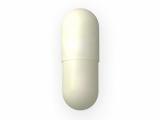
Generic Indomethacin ( Indomethacin )

Indomethacin
| Active ingredient | Indomethacin |
|---|---|
| Mechanism of action | Inhibits prostaglandin synthesis by blocking cyclooxygenase (COX) enzymes. |
| Common dose | Typical oral dose is 25-50 mg 2-3 times daily, adjusted by condition. |
| What is it used for? | Relief of pain, inflammation, and fever in conditions such as arthritis, gout, and migraine. |
| Important information on taking | Take with food or milk to reduce stomach irritation; do not exceed prescribed duration. |
| Common side effects | Upset stomach, heartburn, dizziness, mild headache. |
| Serious risks | Increased risk of gastrointestinal bleeding, liver or kidney impairment, cardiovascular events. |
| Interactions | Avoid with other NSAIDs, anticoagulants, lithium, methotrexate, and certain antihypertensives. |
| Contraindications | History of ulcer, severe heart failure, kidney disease, allergic to NSAIDs, pregnancy in third trimester. |
| Legal status | Prescription-only medication in most countries; classified as a controlled substance in some jurisdictions. |
Understanding Indomethacin and its purpose
Understanding the definition and mechanism of action of Indomethacin
Indomethacin is a non-steroidal anti-inflammatory drug that belongs to the class of heterogeneous arylpropionic acid derivatives. It is used primarily to relieve pain and inflammation associated with conditions such as arthritis osteoarthritis and rheumatoid arthritis. The drug works by inhibiting the enzyme cyclooxygenase which is required for the synthesis of prostaglandins that mediate pain and fever. By reducing prostaglandin production Indomethacin decreases swelling and stiffness in affected joints. It also possesses antipyretic properties that help lower elevated body temperature. The medication is absorbed from the gastrointestinal tract and reaches therapeutic concentrations in the bloodstream after oral administration. Its pharmacokinetic profile includes extensive plasma protein binding and hepatic metabolism which influences its duration of action. Clinically the drug provides symptomatic control of inflammation while not altering the underlying disease progression.
Pharmacological characteristics of Indomethacin
Indomethacin is a nonsteroidal anti-inflammatory drug that belongs to the class of cyclooxygenase inhibitors. It is used to reduce inflammation pain and fever associated with conditions such as rheumatoid arthritis osteoarthritis and ankylosing spondylitis. The medication works by blocking the enzymes cyclooxygenase one and two which are responsible for producing prostaglandins that mediate pain and swelling. By decreasing prostaglandin synthesis it helps to alleviate the biological signals that trigger tissue inflammation and nociceptive signaling. Its pharmacokinetic profile includes rapid oral absorption with extensive protein binding and hepatic metabolism that produces inactive metabolites eliminated primarily by the kidneys. The drug's ability to cross the blood-brain barrier allows central analgesic effects while its peripheral action contributes to reduced swelling at inflamed sites. Overall Indomethacin provides therapeutic benefit through targeted inhibition of prostaglandin production that modulates both pain perception and inflammatory responses.
Medical indications for Indomethacin
| Arthritis | Typical dose: 25-50 mg orally 3 times a day; duration as prescribed |
|---|---|
| Gout | Typical dose: 50 mg orally 2-3 times a day; duration until attack resolves |
| Ankylosing spondylitis | Typical dose: 25 mg orally 1-2 times a day; duration long-term maintenance |
Side effects of Indomethacin
Side effects of Indomethacin
Indomethacin can cause stomach discomfort, nausea, and occasional heartburn. It may increase the risk of ulcers in the gastrointestinal tract. Some users experience headaches or dizziness. The medication can raise blood pressure in certain individuals. Rarely, it may affect kidney function or cause swelling in the ankles. Skin reactions such as rash or itching have been reported. Long-term use may influence liver enzyme levels.
Things you should be aware of before using Indomethacin
Indomethacin can irritate the gastrointestinal lining and sometimes lead to ulcers. It might increase the risk of bleeding in the stomach or intestines. Some users experience headaches or dizziness. Fluid retention can result in swelling of the hands or feet. Elevated blood pressure has been reported in certain patients. Skin reactions such as rash or itching may occur. Occasionally, kidney function can be impaired with prolonged use. Respiratory symptoms like shortness of breath have been observed in rare cases.
Typical reactions to Indomethacin
- Gastrointestinal irritation
- Nausea
- Headache
- Dizziness
- Fluid retention
Indomethacin is a potent non-steroidal anti-inflammatory drug (nsaid) that effectively reduces pain, inflammation, and fever, making it a valuable option for conditions such as arthritis, gout, and certain musculoskeletal injuries. However, its usefulness must be balanced against a higher risk of gastrointestinal irritation, cardiovascular events, and renal complications compared with some alternative nsaids. Potential users should always take the medication with food or a full glass of water to lessen stomach upset, and they should avoid prolonged use without medical supervision. It is crucial to inform your healthcare provider of any history of heart disease, hypertension, kidney disease, or ulcer perforation before starting therapy. Regular monitoring of blood pressure, kidney function, and, if appropriate, gastrointestinal health can help detect adverse effects early. Finally, patients should never combine Indomethacin with other nsaids, corticosteroids, or blood thinners without consulting a clinician, as these combinations can amplify the risk of serious side effects.
 David Scott Duffy, M.D.
: ABEM Certified, Emergency Medicine
David Scott Duffy, M.D.
: ABEM Certified, Emergency Medicine


 Adeel Saqib, M.D.
: ABEM Certified, Emergency Medicine
Adeel Saqib, M.D.
: ABEM Certified, Emergency Medicine
 Rebekah Hodge, M.D.
: ABEM, ABEM Certified, Critical Care, Emergency Medicine, Internal Medicine
Rebekah Hodge, M.D.
: ABEM, ABEM Certified, Critical Care, Emergency Medicine, Internal Medicine
 Craig F Tschautscher, M.D.
: ABEM Certified, Board Certification, Emergency Medical Services, Emergency Medicine
Craig F Tschautscher, M.D.
: ABEM Certified, Board Certification, Emergency Medical Services, Emergency Medicine
 Matthew Adam Von Zimmerman, D.O.
: ABEM Certified, Emergency Medicine
Matthew Adam Von Zimmerman, D.O.
: ABEM Certified, Emergency Medicine
 Jose C. Maria-Rios, M.D.
: ABEM, ABEM Certified, Critical Care, Emergency Medicine, Internal Medicine
Jose C. Maria-Rios, M.D.
: ABEM, ABEM Certified, Critical Care, Emergency Medicine, Internal Medicine
 Andrew Core
: ABEM, Administration, Leadership, Management
Andrew Core
: ABEM, Administration, Leadership, Management
 Gregory Wallingford, M.D.
: ABEM Certified, Certification, Emergency Medicine, Hospice, Palliative Care
Gregory Wallingford, M.D.
: ABEM Certified, Certification, Emergency Medicine, Hospice, Palliative Care


| Shipping method | Delivery time | Price | |
| Airmail service Delivery | 14-21 days | 14.95$ | Tracking# available in 4 days |
| Trackable service Delivery | 9-14 days | 30$ | Tracking# available in 2 days |
- Shipping worldwide
- Confidentiality and anonymity guarantee
- Safe and secure
- Discrete looking packages
- Dispatch orders within 24 hours
- 100% success delivery