


- Bestsellers
- Alcoholism
- Allergy
- Alzheimers
- Anti Fungal
- Anti Viral
- Anti-Depressants
- Anti-Inflammatory
- Antibacterial
- Antibiotics
- Antiparasitic
- Arthritis
- Asthma
- Birth Control
- Blood Pressure
- COVID-19
- Cancer
- Cardiovascular
- Cholesterol
- Diabetes
- Diuretics
- Erectile Dysfunction
- Eye Drop
- Gastro Health
- General Health
- HIV
- Hair Loss
- Hepatitis C Virus (HCV)
- Herbals
- Hormones
- Men's ED Packs
- Men's Health
- Mental Illness
- Motion Sickness
- Muscle Relaxant
- Pain Relief
- Parkinson’s Disease
- Quit Smoking
- Skin Care
- Sleeping Aids
- Veterinary Medicines
- Vitamins
- Weight Loss
- Women's Health
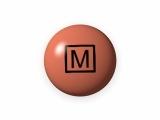
Generic Imipramine ( Imipramine )


Imipramine
| Active ingredient | Imipramine hydrochloride |
|---|---|
| Mechanism of action | Tricyclic antidepressant that blocks the reuptake of norepinephrine and serotonin; also antagonizes H1, histamine and muscarinic receptors |
| Common dose | Typically 25 mg-75 mg daily, titrated up to 150-200 mg/day in divided doses; dosage individualized per indication |
| What is it used for? | Major depressive disorder, enuresis in children, chronic neuropathic pain, migraine prophylaxis |
| Important information on taking | Take at the same time each day; may require several weeks for clinical effect; do not abruptly discontinue; monitor mood; avoid alcohol; exercise caution in elderly |
| Common side effects | Dry mouth, constipation, blurred vision, drowsiness, weight gain, orthostatic hypotension |
| Serious risks | Cardiac arrhythmias (including QT prolongation), seizures, serotonin syndrome, increased suicidal thoughts in young adults |
| Interactions | MAO inhibitors, SSRIs/SNRIs, other serotonergic agents, antihypertensives, alcohol, drugs that inhibit or induce CYP2D6 |
| Contraindications | Recent myocardial infarction, severe cardiac disease, narrow-angle glaucoma, known hypersensitivity, concomitant use of MAO inhibitors |
| Legal status | Prescription-only medication; not scheduled under the U.S. Controlled Substances Act but regulated as a prescription drug |
A closer look at Imipramine and how it works
What is Imipramine and how does it work?
Imipramine is a tricyclic antidepressant that belongs to the class of dibenzazepine compounds. It is primarily used to treat major depressive disorder and certain anxiety disorders. The medication works by blocking the reuptake of norepinephrine and serotonin in the central nervous system. This action increases the availability of these neurotransmitters, enhancing mood regulation and emotional stability. By influencing these pathways, Imipramine helps alleviate symptoms such as persistent sadness, loss of interest, and anxiety. The drug also exhibits anticholinergic and antihistaminic properties that contribute to its overall clinical effect. Through modulation of mood-related circuitry, Imipramine reduces depressive symptoms and improves functional daytime alertness.
Understanding the pharmacological properties of Imipramine
Imipramine is a tricyclic antidepressant used primarily to treat major depressive disorder. Its main therapeutic role is to alleviate depressive symptoms such as persistent low mood and loss of interest. Pharmacologically it functions by inhibiting the reuptake of serotonin and norepinephrine in the central nervous system. This inhibition increases the availability of these neurotransmitters, enhancing mood regulation. The drug also exhibits modest antagonism at histamine and cholinergic receptors, contributing to its sedative effects. The combined action on neurotransmitter transport leads to sustained improvement in depressive symptoms over weeks of treatment. Overall the medication modulates brain chemistry to support mood elevation without directly stimulating reward pathways.
Clinical indications for Imipramine
| Major Depressive Disorder | 75 mg orally once daily, typically 4-6 weeks |
|---|---|
| Bipolar Disorder | 150 mg orally twice daily, often continued long-term |
| Obsessive-Compulsive Disorder | 250 mg orally once daily, usually maintained indefinitely |
The most common side effects
Common reactions Imipramine can cause
It may cause dry mouth which can lead to difficulty swallowing. It can produce blurred vision due to its anticholinergic effect. Some people experience drowsiness that may affect alertness. It can also result in constipation as gastrointestinal motility changes. Weight gain is reported in certain individuals over time. Headache may occur as a central nervous system effect. Occasionally it can lead to low blood pressure when standing up quickly.
What to know before starting Imipramine
Imipramine is a tricyclic antidepressant that works by affecting the balance of certain neurotransmitters in the brain. Some of the most frequently reported side effects include dry mouth constipation drowsiness and dizziness. Patients may also experience blurred vision difficulty urinating or increased heart rate as part of its profile. Weight gain and sweating are additional common reactions that have been observed in clinical studies. Less often individuals notice changes in appetite or mild skin rashes while taking the medication. These effects are usually mild to moderate and may lessen as the body adjusts to the drug. Although not everyone experiences them healthcare professionals monitor patients for these typical responses during treatment.
Common effects experienced with Imipramine
- Drowsiness
- Dry mouth
- Orthostatic hypotension
- Weight gain
- Constipation
Imipramine can be an effective component of a comprehensive treatment plan for depression, but its benefits are realized only when it is used responsibly and under professional guidance. Before starting, be sure to undergo a thorough medical evaluation to rule out contraindications such as recent heart attacks, severe liver disease, or uncontrolled epilepsy. It's essential to take the medication exactly as prescribed, typically beginning with a low dose that is gradually titrated upward to minimize side-effects. Keep regular follow-up appointments to monitor mood changes, blood counts, and any emerging symptoms, and report new or worsening thoughts of self-harm immediately. Common side-effects like dry mouth, drowsiness, and weight gain may improve over time, yet if they become intolerable, discuss dose adjustments with your clinician rather than stopping abruptly. Remember that adherence, open communication with your healthcare team, and pairing pharmacotherapy with psychotherapy or lifestyle modifications markedly increase the likelihood of a stable, positive outcome. Finally, always have a clear plan for safe discontinuation if needed, and never share your medication with others, as individual responses can vary widely.

 Zachary Illg, D.O.
: ABEM Certified, Emergency Medicine
Zachary Illg, D.O.
: ABEM Certified, Emergency Medicine

 Peter M. C. DeBlieux, M.D.
: ABEM Certified, Emergency Medicine
Peter M. C. DeBlieux, M.D.
: ABEM Certified, Emergency Medicine
 Ben Preiss
: ABEM Certified, Emergency Medicine
Ben Preiss
: ABEM Certified, Emergency Medicine
 Gregory Wallingford, M.D.
: ABEM Certified, Certification, Emergency Medicine, Hospice, Palliative Care
Gregory Wallingford, M.D.
: ABEM Certified, Certification, Emergency Medicine, Hospice, Palliative Care
 Luis Antonio Pellicia, M.D.
: ABEM Certified, Emergency Medicine
Luis Antonio Pellicia, M.D.
: ABEM Certified, Emergency Medicine
 Nicole Wai-Ga Lau, M.D.
: ABEM Certified, Emergency Medicine
Nicole Wai-Ga Lau, M.D.
: ABEM Certified, Emergency Medicine
 Douglas M. Young, D.O.
: ABEM Certified, Emergency Medicine
Douglas M. Young, D.O.
: ABEM Certified, Emergency Medicine
 Devin Matthew Howell, D.O.
: ABEM Certified, Board Certification, Emergency Medical Services, Emergency Medicine
Devin Matthew Howell, D.O.
: ABEM Certified, Board Certification, Emergency Medical Services, Emergency Medicine
 Ashley Grant, D.O.
: ABEM Certified, Advanced Emergency Medicine Ultrasonography, Emergency Medicine, Focused Practice Designation, Ultrasonography, Ultrasound
Ashley Grant, D.O.
: ABEM Certified, Advanced Emergency Medicine Ultrasonography, Emergency Medicine, Focused Practice Designation, Ultrasonography, Ultrasound


| Shipping method | Delivery time | Price | |
| Airmail service Delivery | 14-21 days | 14.95$ | Tracking# available in 4 days |
| Trackable service Delivery | 9-14 days | 30$ | Tracking# available in 2 days |
- Shipping worldwide
- Confidentiality and anonymity guarantee
- Safe and secure
- Discrete looking packages
- Dispatch orders within 24 hours
- 100% success delivery