


- Bestsellers
- Alcoholism
- Allergy
- Alzheimers
- Anti Fungal
- Anti Viral
- Anti-Depressants
- Anti-Inflammatory
- Antibacterial
- Antibiotics
- Antiparasitic
- Arthritis
- Asthma
- Birth Control
- Blood Pressure
- COVID-19
- Cancer
- Cardiovascular
- Cholesterol
- Diabetes
- Diuretics
- Erectile Dysfunction
- Eye Drop
- Gastro Health
- General Health
- HIV
- Hair Loss
- Hepatitis C Virus (HCV)
- Herbals
- Hormones
- Men's ED Packs
- Men's Health
- Mental Illness
- Motion Sickness
- Muscle Relaxant
- Pain Relief
- Parkinson’s Disease
- Quit Smoking
- Skin Care
- Sleeping Aids
- Veterinary Medicines
- Vitamins
- Weight Loss
- Women's Health
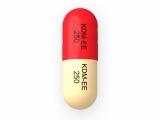
Generic Ilosone ( Erythromycin )

Ilosone
| Active ingredient | Erythromycin (macrolide antibiotic) |
|---|---|
| Mechanism of action | Binds to the 50S ribosomal subunit and blocks protein-synthesis translocation |
| Common dose | Typically 250 mg every 6 h or 500 mg every 12 h in adults (dose adjusted for infection and renal/hepatic function) |
| What is it used for? | Treatment of various bacterial infections such as respiratory tract infections, skin/soft-tissue infections, and atypical pneumonia |
| Important information on taking | Take on an empty stomach, at evenly spaced intervals, and complete the full prescribed course even if symptoms improve |
| Common side effects | Nausea, vomiting, diarrhea, abdominal pain, headache |
| Serious risks | QT-prolongation, hepatic dysfunction, severe allergic reactions, Clostridioides difficile colitis |
| Interactions | Increases levels of CYP3A4 substrates (e.g., certain statins, terfenadine, pimozide) and may be affected by CYP3A4 inhibitors or inducers |
| Contraindications | Hypersensitivity to erythromycin or other macrolides; concurrent use with drugs that prolong QT interval in patients with known arrhythmias |
| Legal status | Prescription-only medication; not a controlled substance in most jurisdictions |
A closer look at Ilosone and how it works
Understanding the definition and mechanism of action of Ilosone
Ilosone is an oral antibiotic that belongs to the macrolide class and is used to treat a variety of bacterial infections. It works by binding to the 23s ribosomal rna of the bacterial 50s subunit, which blocks the translocation step of protein synthesis. This inhibition prevents the assembly of functional bacterial proteins, halting bacterial growth and reproduction. This selective inhibition of bacterial ribosomes distinguishes Ilosone from human cells, resulting in minimal disruption of host protein synthesis. The therapeutic purpose of Ilosone is to eradicate susceptible pathogens such as streptococcus and haemophilus species. The drug's bacteriostatic effect is achieved through interference with ribosomal function without causing direct bactericidal damage.
Pharmacological properties of Ilosone
Ilosone is a macrolide antibiotic that inhibits bacterial protein synthesis by binding to the 50s ribosomal subunit. This binding prevents the translocation step of translation, leading to a static effect on bacterial growth. The drug is used to treat a variety of gram-positive and gram-negative infections. Its antibacterial activity stems from interference with peptide bond formation in the ribosomal tunnel. By halting protein production the organism cannot replicate or repair essential cellular structures. Consequently the medication resolves infections and reduces inflammatory complications associated with bacterial disease.
Ilosone: typical uses
| Erythema nodosum | 250 mg oral dose, 3 times daily for 7 days |
|---|---|
| Streptococcal skin infections | 500 mg oral dose, 2-3 times daily for 10 days |
| Acne vulgaris | 250 mg oral dose, once daily for 12 weeks |
Common side effects of Ilosone
Side effects of Ilosone
Ilosone may cause stomach discomfort such as nausea or abdominal pain. Some patients report diarrhea that can range from mild to watery. Skin reactions like rash or itching have been documented. Rarely the medication can lead to changes in liver enzyme levels. Occasionally a metallic taste is reported during treatment. These effects are generally mild and often resolve without intervention.
Key factors to keep in mind before using
Ilosone may cause gastrointestinal discomfort such as nausea or abdominal pain. It can trigger allergic skin reactions including rash or itching. Rarely it may affect liver function resulting in elevated enzymes. Some patients experience mild headaches or dizziness. The medication can interact with other drugs altering their effectiveness. These effects are generally mild and do not require medical intervention unless they persist.
Typical reactions to Ilosone
- Nausea
- Vomiting
- Diarrhea
- Abdominal pain
- Rash
Ilosone remains a reliable macrolide option for many bacterial infections when used appropriately. Its effectiveness hinges on finishing the full prescribed course, even if symptoms improve early. Patients should take the medication with a full glass of water and avoid taking it with antacids that contain aluminum or magnesium, which can diminish absorption. It's essential to inform your healthcare provider of any existing liver conditions, heart rhythm disorders, or other drugs you're using, as erythromycin can interact with several medications. Watch for common side effects such as nausea, abdominal cramping, or diarrhea, and seek medical attention if you experience severe allergic reactions or prolonged qt-interval changes on an ecg. Finally, never share Ilosone with others or use it for unconfirmed infections, and always consult a professional before starting or stopping therapy. Following these steps helps maximize therapeutic benefit while minimizing risks.
 Michael K. Shafe', M.D.
: 30 Years Certified, ABEM Certified, Emergency Medicine
Michael K. Shafe', M.D.
: 30 Years Certified, ABEM Certified, Emergency Medicine

 Daniel Imas, M.D.
: ABEM Certified, Emergency Medicine
Daniel Imas, M.D.
: ABEM Certified, Emergency Medicine
 Adeel Saqib, M.D.
: ABEM Certified, Emergency Medicine
Adeel Saqib, M.D.
: ABEM Certified, Emergency Medicine
 Michael Francis Spigner, MD, NRP
: ABEM Certified, Board Certification, Emergency Medical Services, Emergency Medicine
Michael Francis Spigner, MD, NRP
: ABEM Certified, Board Certification, Emergency Medical Services, Emergency Medicine

 Tahisha Nicole Tolbert, M.D.
: ABEM Certified, Emergency Medicine
Tahisha Nicole Tolbert, M.D.
: ABEM Certified, Emergency Medicine
 Connor Michael Talbott, M.D.
: ABEM Certified, Emergency Medicine
Connor Michael Talbott, M.D.
: ABEM Certified, Emergency Medicine


| Shipping method | Delivery time | Price | |
| Airmail service Delivery | 14-21 days | 14.95$ | Tracking# available in 4 days |
| Trackable service Delivery | 9-14 days | 30$ | Tracking# available in 2 days |
- Shipping worldwide
- Confidentiality and anonymity guarantee
- Safe and secure
- Discrete looking packages
- Dispatch orders within 24 hours
- 100% success delivery