


- Bestsellers
- Alcoholism
- Allergy
- Alzheimers
- Anti Fungal
- Anti Viral
- Anti-Depressants
- Anti-Inflammatory
- Antibacterial
- Antibiotics
- Antiparasitic
- Arthritis
- Asthma
- Birth Control
- Blood Pressure
- COVID-19
- Cancer
- Cardiovascular
- Cholesterol
- Diabetes
- Diuretics
- Erectile Dysfunction
- Eye Drop
- Gastro Health
- General Health
- HIV
- Hair Loss
- Hepatitis C Virus (HCV)
- Herbals
- Hormones
- Men's ED Packs
- Men's Health
- Mental Illness
- Motion Sickness
- Muscle Relaxant
- Pain Relief
- Parkinson’s Disease
- Quit Smoking
- Skin Care
- Sleeping Aids
- Veterinary Medicines
- Vitamins
- Weight Loss
- Women's Health
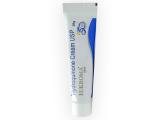
Hydroquinone

Hydroquinone
| Active ingredient | Hydroquinone |
|---|---|
| Mechanism of action | Tyrosinase inhibitor that reduces melanin synthesis |
| Common dose | 2 % topical cream or gel, applied 1-2 times daily |
| What is it used for? | Treatment of hyperpigmentation, melasma, and post-inflammatory discoloration |
| Important information on taking | Apply only to intact skin, avoid eyes/mouth, use sunscreen, discontinue if irritation occurs |
| Common side effects | Skin irritation, dryness, erythema |
| Serious risks | Exogenous ochronosis, paradoxical hyperpigmentation, rare systemic ochronosis |
| Interactions | May increase photosensitivity; avoid concurrent strong oxidizers; caution with retinoids |
| Contraindications | Hypersensitivity to hydroquinone, broken skin, not for use in pregnancy or lactation |
| Legal status | Over-the-counter in many countries (limited to 2 %); higher concentrations require prescription |
Exploring the basics of Hydroquinone
Understanding the definition and mechanism of action of Hydroquinone
Hydroquinone is a topical agent used to reduce skin pigmentation. It functions by inhibiting the enzyme tyrosinase which is required for melanin synthesis. By decreasing melanin production it leads to a lighter appearance of treated skin. The drug is absorbed through the stratum corneum and distributed to melanocytes where the enzymatic inhibition occurs. This mechanism provides therapeutic efficacy in conditions such as melasma and post-inflammatory hyperpigmentation. The metabolic pathway involves conversion to quinone-like intermediates that interact with copper at the active site of tyrosinase. The resulting suppression of melanin formation results in the observable depigmenting effect. Overall the medication acts as a competitive inhibitor of the copper-containing oxidation step in melanogenesis.
Pharmacodynamics and pharmacological profile of Hydroquinone
Hydroquinone is a topical agent used for skin lightening and hyperpigmentation treatment. It functions as a melanin synthesis inhibitor by interfering with oxidation of tyrosine in melanocytes. Its mechanism of action involves competitive inhibition of tyrosinase, the rate limiting enzyme in melanin production. By suppressing enzymatic activity, Hydroquinone reduces the formation of eumelanin pigments, leading to lighter skin appearance. The drug also possesses antioxidant properties that contribute to its anti-inflammatory effects on pigmented skin. Hydroquinone is marketed primarily for its depigmenting efficacy in conditions such as melasma and post inflammatory hyperpigmentation. Its pharmacological profile includes rapid skin absorption that facilitates systemic distribution to the target melanocytes. The overall clinical outcome is a reversible inhibition of pigment production, making it a valuable tool in aesthetic dermatology.
Conditions treated with Hydroquinone
| Hyperpigmentation | 2 % topical cream, 2 times daily, 8-12 weeks |
|---|---|
| Melasma | 4 % cream, once daily, up to 16 weeks |
| Post-inflammatory hyperpigmentation | 2 % lotion, 1-2 times daily, several months |
Common side effects of Hydroquinone
Common reactions Hydroquinone can cause
Hydroquinone is a skin-lightening agent that can reduce the appearance of hyperpigmentation. It works by inhibiting melanin production in melanocytes. Some users may experience mild skin irritation such as redness or itching. Others can develop contact dermatitis characterized by rash or swelling. Rarely, a burning sensation or tingling may occur after application. Prolonged use has been associated with ochronosis, a permanent darkening of the skin. Stopping the product often allows symptoms to fade over time.
Essential considerations before taking Hydroquinone
Hydroquinone may cause skin irritation in some users leading to redness or a burning sensation followed by dryness that can affect the treated area. It can also trigger itching sensations that persist for several days after application. Some individuals experience contact dermatitis characterized by swelling or flaking of the skin. Prolonged use may result in hyperpigmentation alterations where the skin darkens unevenly. In rare cases a condition known as ochronosis can develop causing a bluish gray discoloration over time. The ingredient may also increase skin sensitivity to sunlight making protection important. These reactions are generally mild to moderate and often improve upon discontinuation. Serious adverse effects are uncommon but warrant attention if symptoms worsen.
Frequently reported effects of Hydroquinone
- Skin irritation
- Contact dermatitis
- Redness
- Itching
- Dryness
Hydroquinone can be a useful tool for brightening stubborn hyperpigmentation, but its power comes with a responsibility to use it wisely and safely. Start with the lowest effective concentration, apply it only at night, and always pair it with a broad-spectrum sunscreen during the day to protect newly lightened skin from uv-induced rebound. Conduct a patch test on a small area for several days before full-face application to rule out irritation or allergic reactions. Limit continuous use to a few months and take breaks to let your skin recover, as prolonged exposure can lead to ochronosis or other unwanted changes. If you notice persistent redness, itching, or any unexpected pigment shifts, discontinue the product and consult a dermatologist promptly. Consider combining Hydroquinone with complementary agents like niacinamide or vitamin c for a more balanced brightening regimen, but avoid mixing it with acidic treatments that may heighten sensitivity. By respecting these precautions, you can harness Hydroquinone's benefits while minimizing risks and achieving smoother, more even-toned skin.
 Tristen Burt, D.O.
: ABEM Certified, Emergency Medicine
Tristen Burt, D.O.
: ABEM Certified, Emergency Medicine

 Chad Jeffrey Jensen, M.D.
: ABEM Certified, Emergency Medicine
Chad Jeffrey Jensen, M.D.
: ABEM Certified, Emergency Medicine
 Jordan Biet Barnett, M.D. MBA
: ABEM Certified, Emergency Medicine
Jordan Biet Barnett, M.D. MBA
: ABEM Certified, Emergency Medicine
 Glenn Alan Birnbaum, M.D.
: ABEM Certified, Emergency Medicine
Glenn Alan Birnbaum, M.D.
: ABEM Certified, Emergency Medicine

 Cassidy Cunningham
: ABEM Certified, Emergency Medicine
Cassidy Cunningham
: ABEM Certified, Emergency Medicine
 Mathew Goebel, M.D.
: ABEM Certified, Board Certification, Emergency Medical Services, Emergency Medicine
Mathew Goebel, M.D.
: ABEM Certified, Board Certification, Emergency Medical Services, Emergency Medicine
 Ryan J. Reece, MD, NRP, FACEP
: ABEM Certified, Addiction, Board Certification, DEA, Emergency Medical Services, Emergency Medicine, MyEMCert, opioids, Substance Use Disorder
Ryan J. Reece, MD, NRP, FACEP
: ABEM Certified, Addiction, Board Certification, DEA, Emergency Medical Services, Emergency Medicine, MyEMCert, opioids, Substance Use Disorder
 Michael K. Shafe', M.D.
: 30 Years Certified, ABEM Certified, Emergency Medicine
Michael K. Shafe', M.D.
: 30 Years Certified, ABEM Certified, Emergency Medicine
 Kyle Grimaldi, M.D.
: ABEM Certified, Emergency Medicine, MyEMCert, Resuscitation
Kyle Grimaldi, M.D.
: ABEM Certified, Emergency Medicine, MyEMCert, Resuscitation


| Shipping method | Delivery time | Price | |
| Airmail service Delivery | 14-21 days | 14.95$ | Tracking# available in 4 days |
| Trackable service Delivery | 9-14 days | 30$ | Tracking# available in 2 days |
- Shipping worldwide
- Confidentiality and anonymity guarantee
- Safe and secure
- Discrete looking packages
- Dispatch orders within 24 hours
- 100% success delivery