


- Bestsellers
- Alcoholism
- Allergy
- Alzheimers
- Anti Fungal
- Anti Viral
- Anti-Depressants
- Anti-Inflammatory
- Antibacterial
- Antibiotics
- Antiparasitic
- Arthritis
- Asthma
- Birth Control
- Blood Pressure
- COVID-19
- Cancer
- Cardiovascular
- Cholesterol
- Diabetes
- Diuretics
- Erectile Dysfunction
- Eye Drop
- Gastro Health
- General Health
- HIV
- Hair Loss
- Hepatitis C Virus (HCV)
- Herbals
- Hormones
- Men's ED Packs
- Men's Health
- Mental Illness
- Motion Sickness
- Muscle Relaxant
- Pain Relief
- Parkinson’s Disease
- Quit Smoking
- Skin Care
- Sleeping Aids
- Veterinary Medicines
- Vitamins
- Weight Loss
- Women's Health
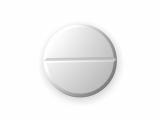
Generic Griseofulvin


Griseofulvin
| Active ingredient | Griseofulvin |
|---|---|
| Mechanism of action | Inhibits fungal microtubule synthesis by binding to tubulin, disrupting microtubule assembly. |
| Common dose | Typically 250-500 mg daily for adults (often divided); pediatric dose ~10-15 mg/kg/day. |
| What is it used for? | Treatment of dermatophyte infections such as ringworm, athlete's foot, and scalp fungal infections. |
| Important information on taking | Take with a fatty meal to improve absorption; complete the full prescribed course; avoid prolonged use without medical supervision. |
| Common side effects | Nausea, vomiting, diarrhea, headache, dizziness, metallic taste. |
| Serious risks | Hepatotoxicity (elevated liver enzymes, hepatitis), severe skin reactions, blood dyscrasias (neutropenia, thrombocytopenia). |
| Interactions | May increase plasma levels of warfarin, oral contraceptives; reduces efficacy of cyclosporine; interacts with other hepatotoxic drugs. |
| Contraindications | Active liver disease, pregnancy, breastfeeding, known hypersensitivity to griseofulvin. |
| Legal status | Prescription-only medication in most jurisdictions; not FDA-approved for new use in the United States; classified as a regulated antifungal. |
A closer look at Griseofulvin and how it works
What is Griseofulvin and how does it work?
Griseofulvin is a systemic antifungal medication derived from the fungus penicillium griseofulvum. It is used to treat superficial and deep fungal infections of the skin, hair, and nails. The drug works by interfering with fungal mitosis through binding to fungal microtubules. This binding disrupts the organization of microtubules and inhibits the synthesis of fungal cell wall components. The resulting inhibition of cell division prevents the spread of the infection across the host tissue. By acting on the fungal spindle apparatus the compound reduces the ability of the pathogen to replicate. The medication's effect on protein synthesis and chromosome segregation leads to the death of susceptible organisms. Overall Griseofulvin provides a therapeutic benefit by halting fungal growth without affecting human cells in the same manner.
Understanding the pharmacological properties of Griseofulvin
Griseofulvin is an oral antifungal medication used primarily for superficial dermatophyte infections. It is classified as a systemic antifungal that inhibits fungal microtubule assembly, leading to impaired cell division. The drug exerts its therapeutic effect by selectively binding to fungal keratin and interfering with nucleic acid synthesis. This interference disrupts the normal growth and replication of pathogenic fungi in the skin and hair. Because its activity depends on the presence of fungal microtubules, Griseofulvin shows limited effect against bacterial or viral organisms. Its pharmacokinetic profile involves extensive protein binding and hepatic metabolism, which prolongs its presence in the body. Clinical response typically correlates with the duration of treatment needed to eradicate the infection completely.
Medical indications for Griseofulvin
| Tinea corporis (body ringworm) | Typical dose: 500 mg once daily; taken daily for 4-6 weeks |
|---|---|
| Tinea capitis (scalp ringworm) | Typical dose: 500 mg once daily; taken daily for 8-12 weeks |
| Onychomycosis (fungal nail infection) | Typical dose: 500 mg once daily; taken daily for 12 weeks or longer |
Side effects of Griseofulvin you should know about
Common side effects of Griseofulvin
Griseofulvin is an oral antifungal medication used to treat certain fungal infections. Common side effects include gastrointestinal disturbances such as nausea vomiting diarrhea and abdominal pain. Central nervous system effects may present as headache dizziness or fatigue. Skin reactions can appear as rash itching or photosensitivity to sunlight. Some patients experience liver enzyme elevations which may be detected by laboratory testing. Rare but notable effects include peripheral neuropathy and blood disorders. Overall the medication is generally well tolerated when used as prescribed.
Essential considerations before taking Griseofulvin
Griseofulvin may cause skin rash or itching in some patients. Headache is reported by a minority of users. Gastrointestinal disturbances such as nausea or abdominal discomfort can occur. Dizziness or lightheadedness may be experienced occasionally. Changes in taste perception have been observed in rare cases. Photosensitivity to sunlight can increase in some individuals. Fatigue or mild weakness may be noted during treatment. Most side effects are mild and often resolve without intervention.
Common effects experienced with Griseofulvin
- Rash
- Nausea
- Headache
- Abdominal pain
- Dizziness
Griseofulvin remains a valuable, time-tested option for stubborn dermatophyte infections when modern alternatives are unsuitable, but its efficacy hinges on consistent dosing and adequate treatment duration. Patients should be aware that the drug can cause liver toxicity, so regular monitoring of liver enzymes is essential, especially if they have pre-existing liver conditions. Because Griseofulvin is highly protein-bound, it may interact with hormonal contraceptives, anticoagulants, and certain anticonvulsants, necessitating a thorough medication review with a healthcare professional. Sunlight sensitivity is another common side effect; using sunscreen and wearing protective clothing can help mitigate photosensitivity reactions. Pregnant or breastfeeding women should avoid Griseofulvin unless the benefits clearly outweigh the risks, as it can cross the placenta and enter breast milk. Finally, patients must complete the full course even if symptoms improve early, to prevent recurrence and the development of resistant strains. Following these precautions will maximize therapeutic success while minimizing potential adverse effects.
 Antony Awad, D.O., M.S.
: ABEM Certified, Emergency Medicine
Antony Awad, D.O., M.S.
: ABEM Certified, Emergency Medicine

 Zachary Illg, D.O.
: ABEM Certified, Emergency Medicine
Zachary Illg, D.O.
: ABEM Certified, Emergency Medicine
 Christopher Andrew McCuller, M.D.
: ABEM Certified, Emergency Medicine
Christopher Andrew McCuller, M.D.
: ABEM Certified, Emergency Medicine
 Subhashish Agarwal, M.D.
: ABEM Certified, Emergency Medicine
Subhashish Agarwal, M.D.
: ABEM Certified, Emergency Medicine

 Mark Lewis Friedman, M.D.
: ABEM Certified, Emergency Medicine
Mark Lewis Friedman, M.D.
: ABEM Certified, Emergency Medicine
 Noah Tal Kaufman, M.D.
: ABEM Certified, Emergency Medicine
Noah Tal Kaufman, M.D.
: ABEM Certified, Emergency Medicine
 Ashley Grant, D.O.
: ABEM Certified, Advanced Emergency Medicine Ultrasonography, Emergency Medicine, Focused Practice Designation, Ultrasonography, Ultrasound
Ashley Grant, D.O.
: ABEM Certified, Advanced Emergency Medicine Ultrasonography, Emergency Medicine, Focused Practice Designation, Ultrasonography, Ultrasound
 Mark Alexander Sloan, M.D.
: ABEM Certified, Emergency Medicine
Mark Alexander Sloan, M.D.
: ABEM Certified, Emergency Medicine


| Shipping method | Delivery time | Price | |
| Airmail service Delivery | 14-21 days | 14.95$ | Tracking# available in 4 days |
| Trackable service Delivery | 9-14 days | 30$ | Tracking# available in 2 days |
- Shipping worldwide
- Confidentiality and anonymity guarantee
- Safe and secure
- Discrete looking packages
- Dispatch orders within 24 hours
- 100% success delivery