


- Bestsellers
- Alcoholism
- Allergy
- Alzheimers
- Anti Fungal
- Anti Viral
- Anti-Depressants
- Anti-Inflammatory
- Antibacterial
- Antibiotics
- Antiparasitic
- Arthritis
- Asthma
- Birth Control
- Blood Pressure
- COVID-19
- Cancer
- Cardiovascular
- Cholesterol
- Diabetes
- Diuretics
- Erectile Dysfunction
- Eye Drop
- Gastro Health
- General Health
- HIV
- Hair Loss
- Hepatitis C Virus (HCV)
- Herbals
- Hormones
- Men's ED Packs
- Men's Health
- Mental Illness
- Motion Sickness
- Muscle Relaxant
- Pain Relief
- Parkinson’s Disease
- Quit Smoking
- Skin Care
- Sleeping Aids
- Veterinary Medicines
- Vitamins
- Weight Loss
- Women's Health
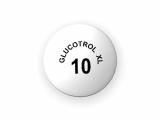
Generic Glucotrol ( Glipizide )


Glucotrol
| Active ingredient | Glipizide |
|---|---|
| Mechanism of action | Stimulates pancreatic beta cells to increase insulin secretion |
| Common dose | 5 mg daily, can be increased up to 20 mg |
| What is it used for? | Treatment of type2 diabetes mellitus |
| Important information on taking | Take with breakfast or first main meal; dosage individualized |
| Common side effects | Hypoglycemia, nausea, headache |
| Serious risks | Severe hypoglycemia, hepatic dysfunction |
| Interactions | May interact with other antidiabetic agents, certain beta blockers |
| Contraindications | Hypersensitivity, type1 diabetes, diabetic ketoacidosis |
| Legal status | Prescription medication (Rx) |
An overview of Glucotrol
How Glucotrol works in the body: definition and pharmacological action
Glucotrol is a sulfonylurea oral hypoglycemic agent used to manage type 2 diabetes. The drug lowers blood glucose by stimulating pancreatic beta cells to release insulin. Its active metabolite glipizide binds to the katp channels on beta cells leading to closure of potassium channels and influx of calcium. This triggers exocytosis of insulin-containing vesicles and increases insulin secretion proportionate to glucose concentration. The resultant rise in insulin enhances peripheral glucose uptake and suppresses hepatic gluconeogenesis. Pharmacodynamically the agent acts primarily on sulfonylurea receptor subunits of the katp complex in a dose dependent manner. Therapeutically it provides glycemic control without direct peripheral action on muscle or adipose tissue. Overall the medication illustrates a receptor mediated endocrine pathway that converts nutrient sensing into hormone release.
Understanding the pharmacological properties of Glucotrol
Glucotrol is the brand name for the oral antidiabetic drug glipizide. It is used to improve blood sugar control in people with type 2 diabetes. The medication works by binding to a specific receptor on pancreatic beta cells. This binding closes potassium channels and opens calcium channels, triggering insulin release. The newly secreted insulin helps lower blood glucose levels. Its effect acts directly on the pancreas rather than on peripheral tissues. Because it reduces circulating glucose, it is classified as a sulfonylurea oral hypoglycemic agent.
Therapeutic indications for Glucotrol
| Type 2 Diabetes Mellitus (Adults) | Typical dose: 5 mg once daily (max 20 mg/day), taken twice daily before meals; long-term therapy. |
|---|---|
| Type 2 Diabetes Mellitus (Elderly) | Typical dose: 2.5-5 mg twice daily, titrated up to 20 mg/day; long-term treatment, renal monitoring. |
| Type 2 Diabetes Mellitus (Pediatric greater than =12 yr) | Typical dose: 5 mg once daily (may increase to 20 mg/day); long-term management. |
Common reactions Glucotrol can cause
Common reactions Glucotrol can cause
Glucotrol can cause low blood sugar levels leading to symptoms such as sweating and confusion. It may also produce dizziness especially when standing up quickly. Some users report headache or nausea after taking the drug. Gastrointestinal reactions such as diarrhea or stomach discomfort are occasionally observed. Skin rash or itching may develop as a reaction in certain individuals. Weight gain can occur as the body adjusts to improved glucose control. Fatigue or a feeling of weakness may be noted during treatment. These side effects are generally mild and uncommon.
Key factors to keep in mind before using
Glucotrol may cause hypoglycemia which can lead to sweating and dizziness. It can also cause nausea and headache in some patients. Weight gain is reported as a common side effect. Some users experience skin rash or itching. Dizziness may occur especially when standing up quickly. Rarely, liver enzyme elevations have been observed.
Common reactions associated with Glucotrol
- Hypoglycemia
- Nausea
- Headache
- Dizziness
- Constipation
Glucotrol (glipizide) can be an effective part of a type 2 diabetes treatment plan, but its success depends on proper dosing, regular blood-glucose monitoring, and awareness of its potential side effects. It works best when combined with a healthy diet, regular physical activity, and weight management. Because Glucotrol can cause hypoglycemia, users should always have a source of fast-acting carbohydrate on hand and know the signs of low blood sugar. Liver or kidney impairment may require dose adjustments, so it's important to discuss any existing health conditions with a healthcare provider. Interactions with certain medications (e.g., some antibiotics, antifungals, or alcohol) can increase the risk of adverse effects, so a thorough medication review is essential. Finally, routine follow-up appointments help ensure that the medication remains appropriate and that any needed changes are made promptly.
 Jordan Biet Barnett, M.D. MBA
: ABEM Certified, Emergency Medicine
Jordan Biet Barnett, M.D. MBA
: ABEM Certified, Emergency Medicine

 Nicholas Cochran-Caggiano
: ABEM Certified, Board Certification, Emergency Medical Services, Emergency Medicine
Nicholas Cochran-Caggiano
: ABEM Certified, Board Certification, Emergency Medical Services, Emergency Medicine
 Matthew Adam Von Zimmerman, D.O.
: ABEM Certified, Emergency Medicine
Matthew Adam Von Zimmerman, D.O.
: ABEM Certified, Emergency Medicine

 Michael McGary, M.D.
: ABEM Certified, Emergency Medicine
Michael McGary, M.D.
: ABEM Certified, Emergency Medicine
 John Dayton
: ABEM Certified, Emergency Medicine
John Dayton
: ABEM Certified, Emergency Medicine
 Jonathon Christopher Allen, M.D.
: ABEM Certified, Board Certification, Emergency Medical Services, Emergency Medicine
Jonathon Christopher Allen, M.D.
: ABEM Certified, Board Certification, Emergency Medical Services, Emergency Medicine
 Ronny
: ABEM Certified, Emergency Medicine
Ronny
: ABEM Certified, Emergency Medicine
 David P. Bryant, D.O.
: ABEM Certified, Emergency Medicine
David P. Bryant, D.O.
: ABEM Certified, Emergency Medicine
 Jose C. Maria-Rios, M.D.
: ABEM, ABEM Certified, Critical Care, Emergency Medicine, Internal Medicine
Jose C. Maria-Rios, M.D.
: ABEM, ABEM Certified, Critical Care, Emergency Medicine, Internal Medicine


| Shipping method | Delivery time | Price | |
| Airmail service Delivery | 14-21 days | 14.95$ | Tracking# available in 4 days |
| Trackable service Delivery | 9-14 days | 30$ | Tracking# available in 2 days |
- Shipping worldwide
- Confidentiality and anonymity guarantee
- Safe and secure
- Discrete looking packages
- Dispatch orders within 24 hours
- 100% success delivery