


- Bestsellers
- Alcoholism
- Allergy
- Alzheimers
- Anti Fungal
- Anti Viral
- Anti-Depressants
- Anti-Inflammatory
- Antibacterial
- Antibiotics
- Antiparasitic
- Arthritis
- Asthma
- Birth Control
- Blood Pressure
- COVID-19
- Cancer
- Cardiovascular
- Cholesterol
- Diabetes
- Diuretics
- Erectile Dysfunction
- Eye Drop
- Gastro Health
- General Health
- HIV
- Hair Loss
- Hepatitis C Virus (HCV)
- Herbals
- Hormones
- Men's ED Packs
- Men's Health
- Mental Illness
- Motion Sickness
- Muscle Relaxant
- Pain Relief
- Parkinson’s Disease
- Quit Smoking
- Skin Care
- Sleeping Aids
- Veterinary Medicines
- Vitamins
- Weight Loss
- Women's Health
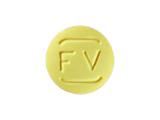
Generic Furadantin ( Nitrofurantoin )

Furadantin
| Active ingredient | Nitrofurantoin (brand name Furadantin) |
|---|---|
| Mechanism of action | Reduced by bacterial nitroreductases to active metabolites that damage bacterial DNA and interfere with essential cellular processes, producing bactericidal activity against many uropathogens. |
| Common dose | 100 mg (macrocrystals) taken orally twice daily for 5-7 days (or as prescribed). |
| What is it used for? | Treatment of uncomplicated urinary tract infections caused by susceptible bacteria. |
| Important information on taking | Take with food to improve absorption, complete the full prescribed course even if symptoms improve, avoid use in patients with severe renal impairment (CrClless than 60 ml/min), and be aware of the risk of pulmonary toxicity with prolonged therapy. |
| Common side effects | Nausea, loss of appetite, headache, diarrhea, flatulence, vaginal irritation or discharge, rash. |
| Serious risks | Pulmonary toxicity (interstitial pneumonitis), hepatotoxicity, severe hypersensitivity reactions, peripheral neuropathy, hemolysis in patients with glucose-6-phosphate dehydrogenase deficiency. |
| Interactions | May increase the anticoagulant effect of warfarin, reduce the efficacy of oral contraceptives, and should be avoided with other nitrofuran derivatives; antacids containing magnesium trisilicate may reduce absorption. |
| Contraindications | Hypersensitivity to nitrofurantoin, severe renal impairment (CrClless than 60 ml/min), G6PD deficiency, and use in the late third trimester of pregnancy. |
| Legal status | Prescription-only medication (Rx) in most jurisdictions; not available over-the-counter. |
What you should know about Furadantin
What is Furadantin and how does it work?
Furadantin is a synthetic nitrofuran antibiotic containing the active ingredient furadantoin. It is prescribed primarily for the treatment of uncomplicated urinary tract infections. The medication works by generating reactive metabolites that damage bacterial dna and other cellular components. These metabolites disrupt essential metabolic pathways leading to bacterial cell death. Furadantin is absorbed in the gastrointestinal tract and is excreted in high concentrations in the urine. In the urinary system the drug retains sufficient activity to target infecting organisms. Its bactericidal effect is most pronounced against common pathogens such as escherichia coli and enterococcus species.
Understanding the pharmacological properties of Furadantin
Furadantin is a brand name for the antibiotic nitrofurantoin used primarily for treating uncomplicated urinary tract infections. Its therapeutic role involves targeting bacterial pathogens in the urinary tract and providing a bactericidal effect against common uropathogens. Pharmacologically the drug is reduced to active metabolites that interact with bacterial enzymes and cellular components to inhibit nucleic acid synthesis and impair energy production. This interference disrupts microbial growth and leads to clearance of infection within the urinary tract. The mechanism of action relies on the drug's ability to generate reactive nitrogen species that damage bacterial dna and metabolic pathways. Because of its limited systemic absorption Furadantin concentrates in the urine and exerts its effect locally at the site of infection. Overall its pharmacodynamic profile reflects selective antibacterial activity with minimal impact on non-target organisms.
Medical indications for Furadantin
| Uncomplicated urinary tract infection | 100 mg twice daily for 7-10 days |
|---|---|
| Acute cystitis | 100 mg twice daily for 5-7 days |
| Recurrent urinary tract infection | 100 mg twice daily for 7 days |
Common side effects of Furadantin
The most common side effects
The most common side effects often involve mild and temporary reactions. These may include headache, nausea, and slight fatigue. Many people also experience mild skin irritation or redness. Digestive discomfort such as loose stools can occur occasionally. Some individuals notice temporary changes in taste or appetite. Mild dizziness or lightheadedness is another frequent observation. Most of these effects tend to diminish as the body adjusts. Serious complications are rare but should be monitored.
What to know before starting Furadantin
Common side effects include headache, nausea, fatigue, and mild dizziness. Some people also experience temporary changes in taste or gastrointestinal discomfort. These reactions are usually short lived and resolve without intervention. The frequency of each effect varies by individual and medication type. Most occurrences are mild and do not require medical attention. Monitoring symptoms and reporting persistent issues to a healthcare professional is advisable. Understanding typical responses helps patients make informed decisions.
Frequently reported effects of Furadantin
- Nausea
- Headache
- Loss of appetite
- Diarrhea
- Cough
Furadantin (nitrofurantoin) is an effective oral antibiotic for uncomplicated lower-urinary-tract infections, but its utility depends on proper patient selection, dosing, and adherence. Users should take the medication with food to enhance absorption and complete the full prescribed course, even if symptoms improve early. Adequate hydration helps maintain urine flow and reduces the risk of stone formation or crystalluria. It is advisable to avoid Furadantin in patients with significant renal impairment (egfr less than 30 ml/min/1.73 m2) or a history of hypersensitivity to nitrofurantoin. Common side-effects such as nausea, headache, or mild gastrointestinal upset are usually transient; however, persistent cough, dyspnea, oralt elevations warrant immediate medical review. Finally, before starting therapy, a urine culture should be obtained when possible to ensure the causative organism is susceptible to nitrofurantoin and to guard against resistance development.
 John Dayton
: ABEM Certified, Emergency Medicine
John Dayton
: ABEM Certified, Emergency Medicine

 Michael Francis Spigner, MD, NRP
: ABEM Certified, Board Certification, Emergency Medical Services, Emergency Medicine
Michael Francis Spigner, MD, NRP
: ABEM Certified, Board Certification, Emergency Medical Services, Emergency Medicine
 Joshua M. McConkey, M.D.
: ABEM Certified, Board Certification, Emergency Medical Services, Emergency Medicine
Joshua M. McConkey, M.D.
: ABEM Certified, Board Certification, Emergency Medical Services, Emergency Medicine
 David P. Bryant, D.O.
: ABEM Certified, Emergency Medicine
David P. Bryant, D.O.
: ABEM Certified, Emergency Medicine
 Nicholas Cochran-Caggiano
: ABEM Certified, Board Certification, Emergency Medical Services, Emergency Medicine
Nicholas Cochran-Caggiano
: ABEM Certified, Board Certification, Emergency Medical Services, Emergency Medicine
 Sarah Kristin Kennedy, M.D.
: ABEM Certified, Advanced Emergency Medicine Ultrasonography, Emergency Medicine, Focused Practice Designation, Ultrasonography, Ultrasound
Sarah Kristin Kennedy, M.D.
: ABEM Certified, Advanced Emergency Medicine Ultrasonography, Emergency Medicine, Focused Practice Designation, Ultrasonography, Ultrasound
 Michael McGary, M.D.
: ABEM Certified, Emergency Medicine
Michael McGary, M.D.
: ABEM Certified, Emergency Medicine
 Christopher Andrew McCuller, M.D.
: ABEM Certified, Emergency Medicine
Christopher Andrew McCuller, M.D.
: ABEM Certified, Emergency Medicine

 Sarah Marie Gartner, M.D.
: ABEM Certified, Advanced Emergency Medicine Ultrasonography, Emergency Medicine, Focused Practice Designation, Ultrasonography, Ultrasound
Sarah Marie Gartner, M.D.
: ABEM Certified, Advanced Emergency Medicine Ultrasonography, Emergency Medicine, Focused Practice Designation, Ultrasonography, Ultrasound
 Craig F Tschautscher, M.D.
: ABEM Certified, Board Certification, Emergency Medical Services, Emergency Medicine
Craig F Tschautscher, M.D.
: ABEM Certified, Board Certification, Emergency Medical Services, Emergency Medicine


| Shipping method | Delivery time | Price | |
| Airmail service Delivery | 14-21 days | 14.95$ | Tracking# available in 4 days |
| Trackable service Delivery | 9-14 days | 30$ | Tracking# available in 2 days |
- Shipping worldwide
- Confidentiality and anonymity guarantee
- Safe and secure
- Discrete looking packages
- Dispatch orders within 24 hours
- 100% success delivery