


- Bestsellers
- Alcoholism
- Allergy
- Alzheimers
- Anti Fungal
- Anti Viral
- Anti-Depressants
- Anti-Inflammatory
- Antibacterial
- Antibiotics
- Antiparasitic
- Arthritis
- Asthma
- Birth Control
- Blood Pressure
- COVID-19
- Cancer
- Cardiovascular
- Cholesterol
- Diabetes
- Diuretics
- Erectile Dysfunction
- Eye Drop
- Gastro Health
- General Health
- HIV
- Hair Loss
- Hepatitis C Virus (HCV)
- Herbals
- Hormones
- Men's ED Packs
- Men's Health
- Mental Illness
- Motion Sickness
- Muscle Relaxant
- Pain Relief
- Parkinson’s Disease
- Quit Smoking
- Skin Care
- Sleeping Aids
- Veterinary Medicines
- Vitamins
- Weight Loss
- Women's Health
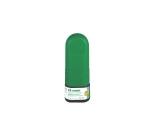
Flonase Nasal Spray ( Fluticasone )

Flonase Nasal Spray
| Active ingredient | Fluticasone propionate |
|---|---|
| Mechanism of action | Topical corticosteroid; binds the glucocorticoid receptor to suppress inflammatory cytokines and reduce nasal mucosal swelling |
| Common dose | 1-2 sprays (50 ug each) per nostril once daily; may be adjusted by a clinician |
| What is it used for? | Allergic rhinitis, nasal polyps, chronic rhinosinusitis, and other inflammatory nasal conditions |
| Important information on taking | Shake the bottle before use; blow nose first; aim spray away from the nasal septum; do not exceed the recommended dose; use regularly for maximum benefit; do not use to treat acute infections |
| Common side effects | Nasal irritation, sore throat, headache, nosebleeds, altered taste or smell |
| Serious risks | Potential glaucoma or cataract formation, increased intra-ocular pressure, systemic corticosteroid effects (e.g., adrenal suppression), rare allergic reactions |
| Interactions | May increase exposure with CYP3A4 inhibitors; concurrent use of other nasal corticosteroids may raise systemic steroid levels; avoid strong CYP3A4 inducers |
| Contraindications | Hypersensitivity to fluticasone or any formulation component; active nasal infection; untreated bacterial, viral, or fungal nasal infections; tuberculosis or herpes simplex infection of the nasopharynx |
| Legal status | Prescription medication in many countries; over-the-counter (OTC) in the United States |
Understanding Flonase Nasal Spray and its purpose
How Flonase Nasal Spray works in the body: definition and pharmacological action
Flonase Nasal Spray is a topical corticosteroid used to relieve allergy-related inflammation of the nasal passages. Its active ingredient fluticasone propionate reduces swelling and mucus production by modulating immune signaling in the nasal mucosa. The medication works by binding to glucocorticoid receptors in airway cells which then inhibit the release of inflammatory mediators. This action leads to a decrease in histamine and leukotriene activity, alleviating congestion, itching and sneezing. Flonase provides sustained relief after daily use because the corticosteroid effect accumulates over several hours. It is intended for regular preventive treatment rather than immediate rescue of acute symptoms.
Understanding the pharmacological properties of Flonase Nasal Spray
Flonase Nasal Spray is a synthetic analogue of the hormone cortisol that is formulated for intranasal administration. Its therapeutic role is to reduce inflammation of the nasal mucosa caused by allergic or non-allergic triggers. The drug works by binding to the glucocorticoid receptor inside target cells and modulating gene transcription to suppress inflammatory mediators. This interaction leads to decreased production of cytokines and chemokines that drive swelling and mucus secretion. By attenuating these immune responses flonase provides symptomatic relief such as reduced congestion itching and sneezing. The overall pharmacological activity relies on the modulation of the endogenous stress hormone pathway within nasal tissue.
Therapeutic uses of Flonase Nasal Spray
| Allergic Rhinitis | 1 spray (50 mcg) in each nostril once daily, up to 6 weeks |
|---|---|
| Nasal Polyps | 2 sprays (50 mcg) in each nostril daily, usually for several months |
| Seasonal Allergies | 1 spray in each nostril once daily, continue as needed during allergy season |
Common side effects of Flonase Nasal Spray
Side effects of Flonase Nasal Spray you should know about
Some people experience mild nasal irritation or a burning sensation after using flonase. Occasionally a dry or sore throat may develop after spraying the medication. Headaches are reported by a small number of users during treatment. In rare cases, nosebleeds can occur if the spray irritates the nasal lining. Some individuals notice an increased awareness of taste or smell changes temporarily. Visual disturbances such as blurred vision are uncommon but have been documented. Systemic effects like elevated blood pressure or mood changes are possible but infrequent.
Important information to consider before taking Flonase Nasal Spray
Flonase Nasal Spray is an intranasal corticosteroid used to relieve allergy symptoms. One common side effect is mild nasal irritation or dryness. Some users report nosebleeds, especially when the spray is applied forcefully. Headache and throat irritation may occur in certain individuals. Less frequently, users may experience an altered sense of taste or smell. Rarely, the medication can cause increased pressure inside the head. Prolonged use may lead to thinning of the nasal mucosa. Most side effects are mild and often resolve with continued use.
Typical reactions to Flonase Nasal Spray
- Headache
- Nasopharyngeal inflammation
- Nasal irritation
- Upper respiratory infection
- Nasal bleeding
Flonase Nasal Spray offers a convenient, over-the-counter solution for those battling persistent allergy symptoms, delivering a corticosteroid directly to the nasal passages to reduce inflammation and congestion. Its once-daily dosing provides sustained relief without the drowsiness often associated with antihistamines, making it suitable for long-term use. However, users should be aware that it may take several days to experience the full benefit, so consistent daily application is key. To maximize effectiveness, shake the bottle gently before each use and aim the spray toward the outer side of the nostril, avoiding the septum. Avoid spraying excessively; the recommended dose is typically two sprays per nostril, and exceeding this can increase the risk of irritation or nosebleeds. If you have a history of sinus infections, nasal surgery, or recent head trauma, consult a healthcare professional before starting flonase. Finally, store the spray at room temperature and keep the cap tightly closed to preserve its potency throughout the allergy season.
 Daniel Imas, M.D.
: ABEM Certified, Emergency Medicine
Daniel Imas, M.D.
: ABEM Certified, Emergency Medicine


 Jonathon Christopher Allen, M.D.
: ABEM Certified, Board Certification, Emergency Medical Services, Emergency Medicine
Jonathon Christopher Allen, M.D.
: ABEM Certified, Board Certification, Emergency Medical Services, Emergency Medicine
 Jonathan Slutzman, M.D.
: ABEM Certified, Emergency Medicine
Jonathan Slutzman, M.D.
: ABEM Certified, Emergency Medicine
 Rebekah Hodge, M.D.
: ABEM, ABEM Certified, Critical Care, Emergency Medicine, Internal Medicine
Rebekah Hodge, M.D.
: ABEM, ABEM Certified, Critical Care, Emergency Medicine, Internal Medicine
 Chad Jeffrey Jensen, M.D.
: ABEM Certified, Emergency Medicine
Chad Jeffrey Jensen, M.D.
: ABEM Certified, Emergency Medicine
 Adeel Saqib, M.D.
: ABEM Certified, Emergency Medicine
Adeel Saqib, M.D.
: ABEM Certified, Emergency Medicine
 Luis Antonio Pellicia, M.D.
: ABEM Certified, Emergency Medicine
Luis Antonio Pellicia, M.D.
: ABEM Certified, Emergency Medicine
 Joshua M. McConkey, M.D.
: ABEM Certified, Board Certification, Emergency Medical Services, Emergency Medicine
Jonathan Slutzman, M.D.
: ABEM Certified, Emergency Medicine
Joshua M. McConkey, M.D.
: ABEM Certified, Board Certification, Emergency Medical Services, Emergency Medicine
Jonathan Slutzman, M.D.
: ABEM Certified, Emergency Medicine
 Antonio Napolitano, M.D.
: ABEM Certified, Emergency Medicine
Antonio Napolitano, M.D.
: ABEM Certified, Emergency Medicine


| Shipping method | Delivery time | Price | |
| Airmail service Delivery | 14-21 days | 14.95$ | Tracking# available in 4 days |
| Trackable service Delivery | 9-14 days | 30$ | Tracking# available in 2 days |
- Shipping worldwide
- Confidentiality and anonymity guarantee
- Safe and secure
- Discrete looking packages
- Dispatch orders within 24 hours
- 100% success delivery