


- Bestsellers
- Alcoholism
- Allergy
- Alzheimers
- Anti Fungal
- Anti Viral
- Anti-Depressants
- Anti-Inflammatory
- Antibacterial
- Antibiotics
- Antiparasitic
- Arthritis
- Asthma
- Birth Control
- Blood Pressure
- COVID-19
- Cancer
- Cardiovascular
- Cholesterol
- Diabetes
- Diuretics
- Erectile Dysfunction
- Eye Drop
- Gastro Health
- General Health
- HIV
- Hair Loss
- Hepatitis C Virus (HCV)
- Herbals
- Hormones
- Men's ED Packs
- Men's Health
- Mental Illness
- Motion Sickness
- Muscle Relaxant
- Pain Relief
- Parkinson’s Disease
- Quit Smoking
- Skin Care
- Sleeping Aids
- Veterinary Medicines
- Vitamins
- Weight Loss
- Women's Health
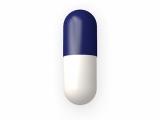
Generic Duloxetine ( Duloxetine )


Duloxetine
| Active ingredient | Duloxetine |
|---|---|
| Mechanism of action | Selective serotonin and norepinephrine reuptake inhibitor (SSRI/SNRI) |
| Common dose | Typically 30-60 mg once daily |
| What is it used for? | Depression, generalized anxiety disorder, neuropathic pain, fibromyalgia |
| Important information on taking | Take with or without food; do not stop abruptly; therapeutic effect may take several weeks |
| Common side effects | Nausea, dry mouth, drowsiness, increased sweating |
| Serious risks | Suicidal thoughts in young adults, serotonin syndrome, hepatic injury |
| Interactions | Avoid MAO inhibitors; caution with other serotonergic agents |
| Contraindications | Hypersensitivity to duloxetine; severe hepatic impairment |
| Legal status | Prescription-only medication in most jurisdictions |
A closer look at Duloxetine and how it works
Definition, therapeutic role, and mechanism of action of Duloxetine
Duloxetine is a prescription medication classified as a selective serotonin and norepinephrine reuptake inhibitor. It is used primarily to treat major depressive disorder, generalized anxiety disorder, and certain types of chronic pain. The drug works by increasing the levels of serotonin and norepinephrine in the brain, which helps regulate mood and pain perception. By blocking the reuptake transporters for these neurotransmitters, Duloxetine prolongs their presence in the synaptic cleft. The heightened neurotransmitter activity leads to improved neural signaling that reduces depressive symptoms and modulates pain pathways. This dual action distinguishes Duloxetine from other antidepressants that target only one neurotransmitter system.
Key pharmacological features and clinical properties of Duloxetine
Duloxetine is a drug used to treat major depressive disorder and generalized anxiety disorder. It belongs to a class of medications called selective serotonin norepinephrine reuptake inhibitors. The drug works by blocking the reabsorption of serotonin and norepinephrine in the brain. Increasing the availability of these neurotransmitters helps improve mood and reduce symptoms of depression. It also modulates pain signals, which makes it effective for certain types of chronic pain. Pharmacodynamically Duloxetine shows dose-dependent inhibition of the serotonin transporter and norepinephrine transporter. This dual mechanism underlies its therapeutic effects across mood and pain disorders.
Conditions treated with Duloxetine
| Major Depressive Disorder | 60 mg once daily, typically for 9 weeks |
|---|---|
| Generalized Anxiety Disorder | 30 mg once daily, may be increased to 60 mg after 1 week and continued as needed |
| Diabetic Peripheral Neuropathy | 60 mg once daily, usually for several weeks to months |
Side effects of Duloxetine
Common side effects of Duloxetine
Common side effects of Duloxetine include nausea which may persist for several days. Dry mouth is frequently reported by users. Dizziness can occur especially when standing up quickly. Fatigue is often experienced during the initial weeks of treatment. Constipation may develop as the digestive system adjusts. Increased sweating has been noted in some patients.
Essential considerations before taking Duloxetine
Some people may experience nausea when taking Duloxetine. Headache is another frequently reported symptom. Dizziness can also occur, especially when starting the medication. Fatigue and dry mouth are common as well. Some individuals notice increased sweating or mild insomnia. Less often, stomach discomfort or mild skin rash may appear.
Frequently observed responses to Duloxetine
- Nausea
- Dry mouth
- Constipation
- Dizziness
- Headache
Duloxetine is a widely prescribed serotonin-norepinephrine reuptake inhibitor that helps alleviate symptoms of major depressive disorder, generalized anxiety disorder, diabetic peripheral neuropathy, and certain chronic pain conditions. It works by increasing the levels of mood-modulating neurotransmitters in the brain, which can improve both emotional well-being and the perception of pain. Most patients notice therapeutic benefits after several weeks of consistent daily dosing, though some may experience improvements sooner or later depending on individual metabolism. Common side effects include nausea, dry mouth, drowsiness, and mild insomnia, while rare but serious risks such as serotonin syndrome or liver enzyme elevations require prompt medical attention. Patients should avoid abrupt discontinuation, as withdrawal symptoms can occur; instead, they should taper the dose under a clinician's guidance. It is also advisable to inform healthcare providers of all concomitant medications and supplements to prevent dangerous drug interactions. Finally, regular follow-up appointments can help monitor efficacy, adjust dosage if needed, and address any emerging concerns, ensuring the safest and most effective treatment outcome.
 Daniel Keyes, M.D., M.P.H.
: ABEM Certified, Certification, Emergency Medicine, Medical Toxicology
Daniel Keyes, M.D., M.P.H.
: ABEM Certified, Certification, Emergency Medicine, Medical Toxicology

 Antonio Napolitano, M.D.
: ABEM Certified, Emergency Medicine
Antonio Napolitano, M.D.
: ABEM Certified, Emergency Medicine
 Amy R McManus, M.D.
: ABEM Certified, Emergency Medicine
Amy R McManus, M.D.
: ABEM Certified, Emergency Medicine

 Subhashish Agarwal, M.D.
: ABEM Certified, Emergency Medicine
Subhashish Agarwal, M.D.
: ABEM Certified, Emergency Medicine
 Kevin Thomas O'Mara, M.D.
: ABEM Certified, Emergency Medicine
Kevin Thomas O'Mara, M.D.
: ABEM Certified, Emergency Medicine
 William Weir
: ABEM Certified, Board Certification, Emergency Medical Services, Emergency Medicine
William Weir
: ABEM Certified, Board Certification, Emergency Medical Services, Emergency Medicine
 Antony Awad, D.O., M.S.
: ABEM Certified, Emergency Medicine
Antony Awad, D.O., M.S.
: ABEM Certified, Emergency Medicine
 Henry James Higby, M.D.
: ABEM Certified, Emergency Medicine
Henry James Higby, M.D.
: ABEM Certified, Emergency Medicine


| Shipping method | Delivery time | Price | |
| Airmail service Delivery | 14-21 days | 14.95$ | Tracking# available in 4 days |
| Trackable service Delivery | 9-14 days | 30$ | Tracking# available in 2 days |
- Shipping worldwide
- Confidentiality and anonymity guarantee
- Safe and secure
- Discrete looking packages
- Dispatch orders within 24 hours
- 100% success delivery