


- Bestsellers
- Alcoholism
- Allergy
- Alzheimers
- Anti Fungal
- Anti Viral
- Anti-Depressants
- Anti-Inflammatory
- Antibacterial
- Antibiotics
- Antiparasitic
- Arthritis
- Asthma
- Birth Control
- Blood Pressure
- COVID-19
- Cancer
- Cardiovascular
- Cholesterol
- Diabetes
- Diuretics
- Erectile Dysfunction
- Eye Drop
- Gastro Health
- General Health
- HIV
- Hair Loss
- Hepatitis C Virus (HCV)
- Herbals
- Hormones
- Men's ED Packs
- Men's Health
- Mental Illness
- Motion Sickness
- Muscle Relaxant
- Pain Relief
- Parkinson’s Disease
- Quit Smoking
- Skin Care
- Sleeping Aids
- Veterinary Medicines
- Vitamins
- Weight Loss
- Women's Health
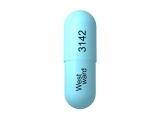
Generic Doxycycline ( Doxycycline )

Doxycycline
| Active ingredient | Doxycycline hyclate |
|---|---|
| Mechanism of action | Binds to the 30S ribosomal subunit, inhibiting protein synthesis in susceptible bacteria |
| Common dose | 100 mg once daily (usually taken with water, on an empty stomach) |
| What is it used for? | Treatment of bacterial infections such as acne, urinary tract infections, respiratory infections, and tick-borne diseases |
| Important information on taking | Take with a full glass of water; avoid lying down for 30 minutes after dosing; do not take with dairy products or antacids |
| Common side effects | Nausea, vomiting, diarrhea, photosensitivity, esophagitis |
| Serious risks | Severe sunburn, intracranial hypertension, pseudotumor cerebri, allergic reactions |
| Interactions | Reduced efficacy with antacids, calcium/iron supplements, and certain anticonvulsants; enhanced anticoagulant effect with warfarin |
| Contraindications | Hypersensitivity to tetracyclines, pregnancy (second/third trimester), children under 8 years |
| Legal status | Prescription-only medication in most jurisdictions |
Understanding Doxycycline and its purpose
Definition and mechanism of action of Doxycycline
Doxycycline is a synthetic tetracycline antibiotic used to treat bacterial infections. It works by inhibiting bacterial protein synthesis which prevents growth and replication of the microorganisms. The drug targets the 30s ribosomal subunit of susceptible bacteria thereby interfering with peptide bond formation. This blockade leads to bacteriostatic effects that halt the spread of infection in the host. As a result the medication helps reduce inflammation and resolves symptoms associated with respiratory and urinary tract infections. Its broad spectrum activity allows it to be effective against a range of gram positive and gram negative organisms.
Pharmacological properties of Doxycycline
Doxycycline is a semi-synthetic tetracycline antibiotic with broad spectrum antibacterial activity. It is administered orally or intravenously for the treatment of bacterial infections such as respiratory, urinary tract, and skin conditions. The drug works by binding to the 30s ribosomal subunit of susceptible bacteria and inhibiting protein synthesis. This interference prevents the elongation step of translation, leading to bacterial growth arrest. Because of its lipophilic properties Doxycycline readily crosses cell membranes and achieves suitable concentrations in both intracellular and extracellular spaces. Its long half-life supports prolonged therapeutic activity in the body. Overall the medication exerts its pharmacological effect by disrupting bacterial protein production and thereby halting microbial proliferation.
Therapeutic uses of Doxycycline
| Acne | 100 mg orally twice daily for 10-12 weeks |
|---|---|
| Chlamydia infection | 100 mg orally twice daily for 7 days |
| Lyme disease (early disseminated) | 100 mg orally twice daily for 2-4 weeks |
Common reactions Doxycycline can cause
Common side effects of Doxycycline
Nausea and mild stomach upset can occur during treatment. Diarrhea is a frequent but usually non-serious side effect. Some patients experience abdominal cramping or loss of appetite. Skin reactions such as rash or mild itching may appear. Increased sensitivity to sunlight can lead to easier sunburn. Headaches are reported by a small number of users. Dizziness or light-headedness may be noted in certain cases.
What should I note before taking Doxycycline?
Doxycycline may cause gastrointestinal discomfort such as nausea or diarrhea. It can lead to photosensitivity making the skin more reactive to sunlight. Occasional yeast infections have been reported in some individuals. Headaches and dizziness are among the less frequent but recognized reactions. Rarely, the drug may affect liver function tests slightly. Some users experience a metallic taste that typically resolves without intervention. Elevated intracranial pressure has been documented in very rare cases.
Frequently observed responses to Doxycycline
- Photosensitivity
- Nausea
- Vomiting
- Diarrhea
- Esophageal irritation
In closing, remember that Doxycycline is a versatile antibiotic, but its efficacy hinges on proper use and patient responsibility. Take each dose with a full glass of water, preferably with food or a substantial snack, to minimize stomach irritation. Avoid lying down immediately after dosing and steer clear of dairy or iron-rich supplements that can blunt absorption. Be vigilant for signs of sun sensitivity, yeast infections, or any unexpected reactions that warrant a call to your healthcare provider. Finally, never share your prescription, and always complete the full course even if symptoms improve early. By staying informed and cautious, you can maximize the benefit of Doxycycline while minimizing its risks. If ever in doubt, consult your physician or pharmacist before making any changes to your regimen.

 Subhashish Agarwal, M.D.
: ABEM Certified, Emergency Medicine
Subhashish Agarwal, M.D.
: ABEM Certified, Emergency Medicine

 Timothy Alan Burrell, M.D.
: 30 Years Certified, ABEM Certified, Emergency Medicine
Subhashish Agarwal, M.D.
: ABEM Certified, Emergency Medicine
Timothy Alan Burrell, M.D.
: 30 Years Certified, ABEM Certified, Emergency Medicine
Subhashish Agarwal, M.D.
: ABEM Certified, Emergency Medicine
 Kenneth MacLeod Rice, M.D.
: ABEM Certified, Addiction, DEA, Emergency Medicine, MyEMCert, opioids, Substance Use Disorder
Kenneth MacLeod Rice, M.D.
: ABEM Certified, Addiction, DEA, Emergency Medicine, MyEMCert, opioids, Substance Use Disorder


| Shipping method | Delivery time | Price | |
| Airmail service Delivery | 14-21 days | 14.95$ | Tracking# available in 4 days |
| Trackable service Delivery | 9-14 days | 30$ | Tracking# available in 2 days |
- Shipping worldwide
- Confidentiality and anonymity guarantee
- Safe and secure
- Discrete looking packages
- Dispatch orders within 24 hours
- 100% success delivery