


- Bestsellers
- Alcoholism
- Allergy
- Alzheimers
- Anti Fungal
- Anti Viral
- Anti-Depressants
- Anti-Inflammatory
- Antibacterial
- Antibiotics
- Antiparasitic
- Arthritis
- Asthma
- Birth Control
- Blood Pressure
- COVID-19
- Cancer
- Cardiovascular
- Cholesterol
- Diabetes
- Diuretics
- Erectile Dysfunction
- Eye Drop
- Gastro Health
- General Health
- HIV
- Hair Loss
- Hepatitis C Virus (HCV)
- Herbals
- Hormones
- Men's ED Packs
- Men's Health
- Mental Illness
- Motion Sickness
- Muscle Relaxant
- Pain Relief
- Parkinson’s Disease
- Quit Smoking
- Skin Care
- Sleeping Aids
- Veterinary Medicines
- Vitamins
- Weight Loss
- Women's Health
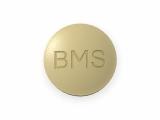
Generic Diltiazem ( Diltiazem Hcl )


Diltiazem
| Active ingredient | Diltiazem |
|---|---|
| Mechanism of action | Calcium-channel blocker that inhibits L-type calcium channels in vascular smooth muscle and cardiac muscle, causing vasodilation and reduced heart rate |
| Common dose | Usually 120 mg-180 mg daily, divided; typical initial dose 120 mg/day |
| What is it used for? | Treatment of hypertension, stable angina, and atrial fibrillation (rate control) |
| Important information on taking | Take as prescribed, whole tablet, can be with or without food, avoid crushing, adjust dose in renal impairment |
| Common side effects | Headache, dizziness, flushing, peripheral edema, constipation, bradycardia, nausea |
| Serious risks | Severe bradycardia, hypotension, heart block, hepatic dysfunction, worsening heart failure |
| Interactions | CYP3A4 inhibitors (e.g., ketoconazole, erythromycin), other anti-arrhythmics, beta-blockers, other calcium-channel blockers |
| Contraindications | Hypersensitivity to diltiazem, severe sick-sinus syndrome, AV block without pacemaker, severe left-ventricular dysfunction |
| Legal status | Prescription-only medication (Rx) in most countries |
A closer look at Diltiazem and how it works
Definition, therapeutic role, and mechanism of action of Diltiazem
Diltiazem is a calcium channel blocker used to treat hypertension and certain types of angina. It works by inhibiting the influx of calcium ions into vascular smooth muscle and cardiac cells. This inhibition leads to relaxation of arterial walls, decreasing peripheral resistance and lowering blood pressure. It also slows the rate of electrical conduction through the atrioventricular node, which helps control heart rhythm. The combined vascular and cardiac effects reduce the workload of the heart and improve oxygen delivery to tissues. Clinical use of Diltiazem is therefore aimed at managing high blood pressure and alleviating chest pain associated with coronary artery disease.
Key pharmacological features and clinical properties of Diltiazem
Diltiazem is a medication used to treat certain heart rhythm problems and to lower blood pressure. It belongs to a class of drugs known as calcium channel blockers that work by relaxing blood vessels and reducing the heart's workload. By blocking the flow of calcium into heart muscle cells, it slows the heart rate and improves the ability of the heart to pump blood. The drug also helps to prevent episodes of angina by increasing blood flow to the heart. Its effects are achieved through selective inhibition of the l-type calcium channels in vascular smooth muscle and cardiac tissue. This leads to a modest reduction in systolic and diastolic blood pressure and a stable heart rhythm. Because it targets calcium channels, Diltiazem is effective for both hypertension and certain arrhythmias without directly affecting other electrolytes.
Conditions treated with Diltiazem
| Hypertension | 120 mg once daily - chronic therapy |
|---|---|
| Stable Angina | 120 mg once daily - chronic therapy |
| Atrial Fibrillation (rate control) | 120 mg twice daily - chronic therapy |
Side effects of Diltiazem you should know about
Common reactions Diltiazem can cause
Diltiazem may cause dizziness which can be more noticeable when standing up quickly. Headache is another frequently reported symptom that usually resolves without intervention. Some people experience fatigue or a general feeling of low energy. Nausea or mild stomach discomfort can occur, especially during the first few days of treatment. Peripheral edema such as swelling of the ankles or feet may develop due to fluid retention. Constipation is reported in a minority of patients and tends to be mild. In rare cases a slow heart rate or heart block can be observed, particularly in individuals with existing conduction issues.
What to know before starting Diltiazem
Diltiazem may cause mild dizziness or light headedness. Some people experience swelling of the ankles or feet. Headache can occur as a frequent complaint. Flushing or a warm sensation in the skin is possible. Nausea or mild stomach discomfort may be reported. Fatigue or unusual tiredness can happen. Low blood pressure may lead to faintness upon standing. Constipation or changes in bowel habits are occasionally observed.
Common reactions associated with Diltiazem
- Headache
- Dizziness
- Constipation
- Swelling of the ankles or feet
- Low blood pressure
- Nausea
Diltiazem is a calcium channel blocker primarily used to treat high blood pressure, stable angina, and certain heart rhythm disorders by relaxing blood vessels and reducing heart workload. It effectively improves blood flow and lowers blood pressure, but its use requires strict medical supervision due to potential interactions and side effects like dizziness, headache, or swelling. Patients should never self-medicate or adjust doses without consulting their physician, especially if they have liver disease, heart failure, or are taking other medications like beta-blockers or immunosuppressants. Always inform your doctor about all current medications, supplements, or health conditions before starting Diltiazem. Monitor for symptoms like rapid heartbeat, fainting, or severe fatigue, and report them promptly. Avoid alcohol and grapefruit products, which can intensify side effects. Consistent daily dosing at the same time helps maintain stable blood levels and effectiveness. Remember, Diltiazem manages conditions but does not cure them, so adherence to prescribed treatment and lifestyle adjustments are essential for long-term heart health.
 Chad Jeffrey Jensen, M.D.
: ABEM Certified, Emergency Medicine
Chad Jeffrey Jensen, M.D.
: ABEM Certified, Emergency Medicine


 William Fleischman, M.D.
: ABEM Certified, Emergency Medicine
William Fleischman, M.D.
: ABEM Certified, Emergency Medicine
 Jonathan Slutzman, M.D.
: ABEM Certified, Emergency Medicine
Jonathan Slutzman, M.D.
: ABEM Certified, Emergency Medicine
 Subhashish Agarwal, M.D.
: ABEM Certified, Emergency Medicine
Subhashish Agarwal, M.D.
: ABEM Certified, Emergency Medicine
 Kenneth MacLeod Rice, M.D.
: ABEM Certified, Addiction, DEA, Emergency Medicine, MyEMCert, opioids, Substance Use Disorder
Kenneth MacLeod Rice, M.D.
: ABEM Certified, Addiction, DEA, Emergency Medicine, MyEMCert, opioids, Substance Use Disorder


| Shipping method | Delivery time | Price | |
| Airmail service Delivery | 14-21 days | 14.95$ | Tracking# available in 4 days |
| Trackable service Delivery | 9-14 days | 30$ | Tracking# available in 2 days |
- Shipping worldwide
- Confidentiality and anonymity guarantee
- Safe and secure
- Discrete looking packages
- Dispatch orders within 24 hours
- 100% success delivery