


- Bestsellers
- Alcoholism
- Allergy
- Alzheimers
- Anti Fungal
- Anti Viral
- Anti-Depressants
- Anti-Inflammatory
- Antibacterial
- Antibiotics
- Antiparasitic
- Arthritis
- Asthma
- Birth Control
- Blood Pressure
- COVID-19
- Cancer
- Cardiovascular
- Cholesterol
- Diabetes
- Diuretics
- Erectile Dysfunction
- Eye Drop
- Gastro Health
- General Health
- HIV
- Hair Loss
- Hepatitis C Virus (HCV)
- Herbals
- Hormones
- Men's ED Packs
- Men's Health
- Mental Illness
- Motion Sickness
- Muscle Relaxant
- Pain Relief
- Parkinson’s Disease
- Quit Smoking
- Skin Care
- Sleeping Aids
- Veterinary Medicines
- Vitamins
- Weight Loss
- Women's Health
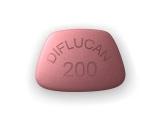
Generic Diflucan ( Fluconazole )


Diflucan
| Active ingredient | Fluconazole |
|---|---|
| Mechanism of action | Inhibits fungal lanosterol 14a-demethylase, reducing ergosterol synthesis |
| Common dose | Typically 50-400 mg daily, adjusted by infection and response |
| What is it used for? | Treats vaginal yeast infections, oral thrush, cryptococcal meningitis, and other systemic fungal infections |
| Important information on taking | Take with or without food; swallow whole; complete the full prescribed course |
| Common side effects | Headache, nausea, diarrhea, abdominal pain, dizziness |
| Serious risks | Liver enzyme elevations, severe skin reactions (e.g., Stevens-Johnson syndrome), cardiac arrhythmias |
| Interactions | May increase levels of warfarin, cyclosporine, certain benzodiazepines; avoid concomitant QT-prolonging drugs |
| Contraindications | Hypersensitivity to fluconazole or other azoles; severe hepatic impairment |
| Legal status | Prescription-only medication (Rx) in most jurisdictions |
What you should know about Diflucan
Definition and mechanism of action of Diflucan
Diflucan is an oral antifungal medication used to treat fungal infections. It belongs to the class of azole antifungals. The drug works by inhibiting the fungal enzyme lanosterol 14-alpha-demethylase. This inhibition blocks the conversion of lanosterol to ergosterol, a key component of fungal cell membranes. The resulting depletion of ergosterol weakens the membrane and leads to fungal cell death. Because human cells use cholesterol instead of ergosterol the inhibition has minimal effect on host tissues. Overall the medication provides systemic antifungal activity against a range of yeast and mold infections.
Key pharmacological features and clinical properties of Diflucan
Diflucan is the brand name for the antifungal medication fluconazole. It is used to treat serious yeast and other fungal infections in the body. The drug works by blocking a fungal enzyme that makes ergosterol, a key component of fungal cell membranes. Without ergosterol the membranes become unstable and the fungi can no longer survive. The medication circulates in the bloodstream and can reach many tissues including the brain and spinal fluid. This allows it to treat infections that involve the central nervous system as well as common candida infections.
Therapeutic uses of Diflucan
| Candidiasis | 100 mg once daily for 7-14 days |
|---|---|
| Onychomycosis | 150 mg once daily for 6-12 weeks |
| Vulvovaginal candidiasis | 150 mg single dose; repeat after 72 hours if needed |
Common side effects of Diflucan
The most common side effects
The most common side effects often include mild headache and fatigue. Nausea and dizziness may also occur frequently. Some people experience dry mouth as a common reaction. Mild skin irritation is another typical manifestation. These effects are usually temporary and resolve without intervention. Monitoring symptoms helps assess how the body responds.
Things you should be aware of before using Diflucan
The most common side effects include mild headache, temporary fatigue, and occasional nausea. These reactions are usually short lived and do not require medical intervention. Some individuals may experience mild dizziness or skin irritation. Symptoms generally resolve within a short period without specific treatment. Serious complications are rarely reported. Continued symptoms may merit further observation.
Frequently observed responses to Diflucan
- Headache
- Nausea
- Stomach pain
- Diarrhea
- Skin rash
- Dizziness
Diflucan (fluconazole) is a well-absorbed, broad-spectrum antifungal that is most often prescribed as a single-dose or short-course treatment for uncomplicated yeast infections, but it is also used for more persistent or systemic fungal conditions. Its convenience and effectiveness make it a common first-line option, yet it is important to remember that it is only active against fungi and has no impact on bacterial infections. Before starting Diflucan, disclose all current medications, especially over-the-counter drugs, antihistamines, and certain heart or cholesterol medications, because fluconazole can interact with them and affect liver enzymes. Patients with liver disease, kidney impairment, or a history of qt-prolongation should be evaluated carefully by a clinician. It's advisable to take the medication exactly as directed, completing the full prescribed duration even if symptoms improve early, to prevent recurrence or resistance. If you experienceside-effects such as severe rash, fever, or signs of liver dysfunction (yellow skin/eyes, dark urine), seek medical attention promptly. Finally, avoid self-diagnosing recurrent or complicated infections; a healthcare professional can confirm that Diflucan is the appropriate therapy and rule out other potential causes.
 Royale Nichols, M.D.
: ABEM Certified, Emergency Medicine
Royale Nichols, M.D.
: ABEM Certified, Emergency Medicine


 Zachary Illg, D.O.
: ABEM Certified, Emergency Medicine
Zachary Illg, D.O.
: ABEM Certified, Emergency Medicine
 Ben Preiss
: ABEM Certified, Emergency Medicine
Ben Preiss
: ABEM Certified, Emergency Medicine
 Sarah Kristin Kennedy, M.D.
: ABEM Certified, Advanced Emergency Medicine Ultrasonography, Emergency Medicine, Focused Practice Designation, Ultrasonography, Ultrasound
Sarah Kristin Kennedy, M.D.
: ABEM Certified, Advanced Emergency Medicine Ultrasonography, Emergency Medicine, Focused Practice Designation, Ultrasonography, Ultrasound
 Ryan J. Reece, MD, NRP, FACEP
: ABEM Certified, Addiction, Board Certification, DEA, Emergency Medical Services, Emergency Medicine, MyEMCert, opioids, Substance Use Disorder
Ryan J. Reece, MD, NRP, FACEP
: ABEM Certified, Addiction, Board Certification, DEA, Emergency Medical Services, Emergency Medicine, MyEMCert, opioids, Substance Use Disorder


| Shipping method | Delivery time | Price | |
| Airmail service Delivery | 14-21 days | 14.95$ | Tracking# available in 4 days |
| Trackable service Delivery | 9-14 days | 30$ | Tracking# available in 2 days |
- Shipping worldwide
- Confidentiality and anonymity guarantee
- Safe and secure
- Discrete looking packages
- Dispatch orders within 24 hours
- 100% success delivery