


- Bestsellers
- Alcoholism
- Allergy
- Alzheimers
- Anti Fungal
- Anti Viral
- Anti-Depressants
- Anti-Inflammatory
- Antibacterial
- Antibiotics
- Antiparasitic
- Arthritis
- Asthma
- Birth Control
- Blood Pressure
- COVID-19
- Cancer
- Cardiovascular
- Cholesterol
- Diabetes
- Diuretics
- Erectile Dysfunction
- Eye Drop
- Gastro Health
- General Health
- HIV
- Hair Loss
- Hepatitis C Virus (HCV)
- Herbals
- Hormones
- Men's ED Packs
- Men's Health
- Mental Illness
- Motion Sickness
- Muscle Relaxant
- Pain Relief
- Parkinson’s Disease
- Quit Smoking
- Skin Care
- Sleeping Aids
- Veterinary Medicines
- Vitamins
- Weight Loss
- Women's Health
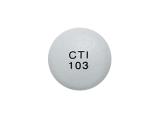
Generic Diclofenac ( Diclofenac sodium )

Diclofenac
| Active ingredient | Diclofenac sodium |
|---|---|
| Mechanism of action | Non-selective inhibition of cyclooxygenase (COX-1 and COX-2) enzymes, reducing prostaglandin synthesis. |
| Common dose | Typically 50 mg-100 mg orally 2-3 times daily, adjusted for indication and patient response. |
| What is it used for? | Pain, inflammation, and fever associated with conditions such as osteoarthritis, rheumatoid arthritis, ankylosing spondylitis, acute musculoskeletal injuries, and postoperative pain. |
| Important information on taking | Take with food or milk to reduce gastrointestinal irritation; do not exceed prescribed duration; maintain consistent dosing intervals. |
| Common side effects | Gastrointestinal upset, nausea, headache, dizziness, and mild skin rash. |
| Serious risks | Cardiovascular events (e.g., myocardial infarction, stroke), severe gastrointestinal bleeding, renal impairment, and hepatic dysfunction. |
| Interactions | Increased risk when combined with other NSAIDs, anticoagulants/antiplatelets, ACE inhibitors, diuretics, lithium, methotrexate, and certain antihypertensives. |
| Contraindications | Active peptic ulcer disease, severe heart failure, recent coronary artery bypass graft, severe renal or hepatic impairment, and known hypersensitivity to diclofenac or other NSAIDs. |
| Legal status | Prescription-only medication in most jurisdictions; classified as a controlled substance only in limited contexts. |
Understanding Diclofenac and its purpose
How Diclofenac works in the body: definition and pharmacological action
Diclofenac is a nonsteroidal anti-inflammatory drug used to relieve pain and inflammation. It works by inhibiting enzymes that produce prostaglandins, molecules that mediate fever, swelling, and discomfort. By reducing prostaglandin levels the medication lowers body temperature and decreases the response of inflamed tissues to injury. This action helps alleviate conditions such as arthritis musculoskeletal pain and postoperative swelling. The active compound Diclofenac is absorbed into the bloodstream and travels to sites of inflammation where it blocks the cyclooxygenase pathways. Blocking these pathways interrupts the signaling cascade that recruits immune cells and increases blood flow to damaged areas. As a result the drug decreases the synthesis of inflammatory mediators and modulates the activity of cells that amplify pain signals. Overall Diclofenac provides systemic relief of symptoms by targeting the biochemical processes that underlie pain and tissue response.
Pharmacological characteristics of Diclofenac
Diclofenac is a nonsteroidal antiinflammatory drug used to relieve pain and inflammation. It is commonly prescribed for conditions such as arthritis and acute musculoskeletal injuries. The medication works by selectively inhibiting the cyclooxygenase enzymes cox1 and cox2 in the body. This inhibition reduces the synthesis of prostaglandins, which are chemical mediators that promote pain and swelling. By decreasing prostaglandin levels, Diclofenac diminishes the sensation of discomfort and the response of inflamed tissues. Its pharmacokinetic profile includes rapid absorption after oral administration and distribution throughout various tissues. The drug undergoes hepatic metabolism and is eliminated primarily by the kidneys, influencing its duration of action. Overall, Diclofenac provides effective analgesia and antiinflammatory effects through targeted modulation of inflammatory pathways.
Diclofenac: typical uses
| Osteoarthritis | 50 mg 3 times daily for up to 6 weeks |
|---|---|
| Rheumatoid arthritis | 75 mg 2 times daily for 1-2 weeks |
| Ankylosing spondylitis | 50 mg 3 times daily for 1-2 weeks |
Common reactions Diclofenac can cause
Side effects of Diclofenac
Diclofenac can cause gastrointestinal discomfort including nausea and heartburn. It may increase the risk of cardiovascular events such as heart attack or stroke. Some users experience headaches or dizziness. Skin reactions like rash or itching can occur. Elevated liver enzymes are possible leading to mild liver dysfunction. Rarely bleeding from the gastrointestinal tract may happen. The medication can affect kidney function especially in people with pre-existing conditions. Joint pain may improve but the drug does not cure underlying joint damage.
What to know before starting Diclofenac
Diclofenac is a nonsteroidal antiinflammatory medication used to relieve pain and inflammation. Common side effects include mild stomach discomfort nausea and headache. Some patients may experience skin reactions such as rash or itching. Less frequent but more serious effects can involve elevated liver enzymes or kidney function changes. In rare cases cardiovascular risk may increase especially with long-term use. Gastrointestinal bleeding is a possible severe outcome if the drug is taken without protection. Patients with a history of heart disease or stomach ulcers should be especially cautious. Laboratory measurements can occasionally be used to evaluate organ function during therapy.
Common reactions associated with Diclofenac
- Upset stomach
- Nausea
- Diarrhea
- Headache
- Dizziness
Sure. Diclofenac is a nonsteroidal anti-inflammatory drug (nsaid) commonly used to relieve pain, inflammation, and stiffness in conditions such as arthritis, muscle strains, and joint disorders. It works by reducing the production of certain chemicals in the body that cause pain and inflammation. However, prolonged or improper use of Diclofenac can increase the risk of gastrointestinal issues, cardiovascular events, and kidney problems, especially in individuals with pre-existing health conditions. It is important to take Diclofenac exactly as prescribed, typically with or after food to minimize stomach irritation, and never to exceed the recommended dosage. Patients should avoid alcohol and other nsaids while using Diclofenac to reduce health risks. Before starting treatment, consult a healthcare provider to ensure it is safe, particularly if you have heart disease, high blood pressure, or a history of ulcers. Store the medication properly and keep it out of reach of children.
 Henry James Higby, M.D.
: ABEM Certified, Emergency Medicine
Henry James Higby, M.D.
: ABEM Certified, Emergency Medicine


 Luis Antonio Pellicia, M.D.
: ABEM Certified, Emergency Medicine
Luis Antonio Pellicia, M.D.
: ABEM Certified, Emergency Medicine
 Antonio Napolitano, M.D.
: ABEM Certified, Emergency Medicine
Antonio Napolitano, M.D.
: ABEM Certified, Emergency Medicine
 Jason Lai, M.D.
: ABEM Certified, Emergency Medicine
Jason Lai, M.D.
: ABEM Certified, Emergency Medicine
 Robert Boyd Tober, M.D.
: ABEM Certified, Emergency Medicine
Robert Boyd Tober, M.D.
: ABEM Certified, Emergency Medicine
 Peter M. C. DeBlieux, M.D.
: ABEM Certified, Emergency Medicine
Peter M. C. DeBlieux, M.D.
: ABEM Certified, Emergency Medicine


| Shipping method | Delivery time | Price | |
| Airmail service Delivery | 14-21 days | 14.95$ | Tracking# available in 4 days |
| Trackable service Delivery | 9-14 days | 30$ | Tracking# available in 2 days |
- Shipping worldwide
- Confidentiality and anonymity guarantee
- Safe and secure
- Discrete looking packages
- Dispatch orders within 24 hours
- 100% success delivery