


- Bestsellers
- Alcoholism
- Allergy
- Alzheimers
- Anti Fungal
- Anti Viral
- Anti-Depressants
- Anti-Inflammatory
- Antibacterial
- Antibiotics
- Antiparasitic
- Arthritis
- Asthma
- Birth Control
- Blood Pressure
- COVID-19
- Cancer
- Cardiovascular
- Cholesterol
- Diabetes
- Diuretics
- Erectile Dysfunction
- Eye Drop
- Gastro Health
- General Health
- HIV
- Hair Loss
- Hepatitis C Virus (HCV)
- Herbals
- Hormones
- Men's ED Packs
- Men's Health
- Mental Illness
- Motion Sickness
- Muscle Relaxant
- Pain Relief
- Parkinson’s Disease
- Quit Smoking
- Skin Care
- Sleeping Aids
- Veterinary Medicines
- Vitamins
- Weight Loss
- Women's Health
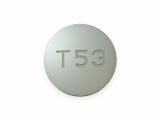
Generic Diamox ( Acetazolamide )

Diamox
| Active ingredient | Acetazolamide |
|---|---|
| Mechanism of action | Inhibits carbonic anhydrase, decreasing fluid accumulation and alkali formation in the eye and kidneys. |
| Common dose | Typically 125 mg-250 mg once or twice daily, adjusted for indication. |
| What is it used for? | Glaucoma, altitude sickness, edema, and sometimes to treat seizures. |
| Important information on taking | Take with a full glass of water; do not crush extended-release tablets. Doses may need adjustment in kidney disease. |
| Common side effects | Tingling of hands/feet, mild nausea, taste alteration, frequent urination. |
| Serious risks | Severe allergic reaction, metabolic acidosis, high potassium levels, kidney stones. |
| Interactions | May enhance effects of other diuretics, lithium, and certain anticonvulsants; avoid concurrent use with strong bases. |
| Contraindications | Hypersensitivity to acetazolamide or sulfonamides, severe kidney disease, adrenal insufficiency. |
| Legal status | Prescription-only medication in most jurisdictions. |
A closer look at Diamox and how it works
How Diamox works in the body: definition and pharmacological action
Diamox is a medication that contains acetazolamide, a synthetic carbonic anhydrase inhibitor. It is prescribed to treat conditions such as glaucoma, altitude sickness, and fluid retention by reducing the accumulation of aqueous humor and excess cerebral spinal fluid. The drug works by blocking the enzyme carbonic anhydrase in the kidney and eye, which decreases the production of bicarbonate and slows fluid movement across membranes. This inhibition leads to increased excretion of sodium, water, and bicarbonate, resulting in diuresis and reduced intraocular pressure. By lowering fluid volume in the cerebrospinal space, Diamox alleviates symptoms of altitude sickness and helps the brain adapt to lower oxygen levels. The central effect of reducing bicarbonate formation also shifts the respiratory drive, prompting a mild increase in breathing rate that improves oxygen saturation at altitude. Overall the medication modulates electrolyte balance and fluid dynamics to achieve its therapeutic outcomes without directly affecting the nervous system.
Key pharmacological features and clinical properties of Diamox
Diamox is the brand name for the medication acetazolamide, a synthetic carbonic anhydrase inhibitor used primarily to treat glaucoma and altitude sickness. In clinical practice it is classified as a diuretic that reduces intraocular pressure by decreasing aqueous humor production. The drug also functions as an inhibitor of renal bicarbonate reabsorption, leading to increased urinary excretion of bicarbonate and associated metabolic acidosis. By blocking carbonic anhydrase in the eye and kidney, Diamox limits the conversion of carbon dioxide and water to carbonic acid, thereby modulating fluid balance and extracellular ph. This inhibition disrupts the electrolyte equilibrium across ocular and renal membranes, resulting in enhanced fluid drainage from the vitreous humor and reduced systemic fluid retention. Pharmacologically, the compound exhibits high affinity for the zinc-bound active site of carbonic anhydrase enzymes, preventing substrate conversion without directly affecting other enzymatic pathways. The combined ocular and systemic effects support its role as a first-line agent for managing elevated intraocular pressure and improving acclimatization to high altitude.
Diamox: typical uses
| Glaucoma | 250 mg twice daily, lifelong |
|---|---|
| Edema | 250 mg once daily, up to several weeks |
| Altitude sickness | 125 mg twice daily, 2-3 days |
Common reactions Diamox can cause
Common side effects of Diamox
Common side effects of Diamox may include tingling of the extremities, frequent urination, and metallic taste. Some patients experience drowsiness, headache, or blurred vision. Electrolyte imbalances such as low potassium can lead to muscle cramps. Allergic reactions like rash or itching may occur in rare cases. Gastrointestinal disturbances including nausea or loss of appetite have been reported. Changes in taste sensation, particularly a metallic or sour flavor, are frequently noted. Elevated blood sugar levels can appear temporarily in certain individuals. Most side effects are mild and often resolve without intervention.
Things you should be aware of before using Diamox
Common side effects of Diamox may include tingling sensations in the fingers and toes. Some people experience a metallic taste in the mouth after taking the medication. Nausea or loss of appetite can occur in certain individuals. Frequent urination is another reported effect due to the drug's diuretic action. Headaches or dizziness may be experienced during the early stages of treatment. Fatigue or a feeling of weakness sometimes accompanies the use of Diamox. In some cases, visual disturbances such as blurred vision have been noted. These effects are generally mild and often improve with continued use.
Typical reactions to Diamox
- Nausea
- Tingling of extremities
- Changes in taste (metallic taste)
- Increased urination
- Kidney stone formation
Diamox (acetazolamide) can be an effective option for managing altitude sickness, glaucoma, and certain types of edema, but its benefits must be weighed against potential side effects such as tingling, frequent urination, and metabolic acidosis. Users should start with the lowest effective dose and take the medication with food to lessen stomach upset. Staying well-hydrated and monitoring electrolyte levels can help mitigate common adverse reactions. It is crucial to inform your healthcare provider about any kidney problems, liver disease, or current medications before beginning treatment. Pregnant or breastfeeding individuals should discuss the risks with a physician, as Diamox can cross placental barriers and pass into breast milk. Regular follow-up appointments are advisable to assess kidney function and adjust dosing as needed. Finally, never use Diamox without a prescription; self-medicating can lead to inappropriate dosing and health complications.
 Christopher Kaczmarczyk, D.O., FACEP, AEMUS
: ABEM Certified, Advanced Emergency Medicine Ultrasonography, Emergency Medicine, Focused Practice Designation, Ultrasonography, Ultrasound
Christopher Kaczmarczyk, D.O., FACEP, AEMUS
: ABEM Certified, Advanced Emergency Medicine Ultrasonography, Emergency Medicine, Focused Practice Designation, Ultrasonography, Ultrasound


 Dhimitri Arian Nikolla, D.O.
: ABEM Certified, Emergency Medicine
Dhimitri Arian Nikolla, D.O.
: ABEM Certified, Emergency Medicine
 Ben Preiss
: ABEM Certified, Emergency Medicine
Ben Preiss
: ABEM Certified, Emergency Medicine
 Adeel Saqib, M.D.
: ABEM Certified, Emergency Medicine
Adeel Saqib, M.D.
: ABEM Certified, Emergency Medicine
 Jonathan Slutzman, M.D.
: ABEM Certified, Emergency Medicine
Jonathan Slutzman, M.D.
: ABEM Certified, Emergency Medicine
 Ronny
: ABEM Certified, Emergency Medicine
Ronny
: ABEM Certified, Emergency Medicine
 Seneca A. Carrillo, M.D.
: ABEM Certified, Addiction, DEA, Emergency Medicine, MyEMCert, opioids, Resuscitation, Substance Use Disorder
Seneca A. Carrillo, M.D.
: ABEM Certified, Addiction, DEA, Emergency Medicine, MyEMCert, opioids, Resuscitation, Substance Use Disorder


| Shipping method | Delivery time | Price | |
| Airmail service Delivery | 14-21 days | 14.95$ | Tracking# available in 4 days |
| Trackable service Delivery | 9-14 days | 30$ | Tracking# available in 2 days |
- Shipping worldwide
- Confidentiality and anonymity guarantee
- Safe and secure
- Discrete looking packages
- Dispatch orders within 24 hours
- 100% success delivery