


- Bestsellers
- Alcoholism
- Allergy
- Alzheimers
- Anti Fungal
- Anti Viral
- Anti-Depressants
- Anti-Inflammatory
- Antibacterial
- Antibiotics
- Antiparasitic
- Arthritis
- Asthma
- Birth Control
- Blood Pressure
- COVID-19
- Cancer
- Cardiovascular
- Cholesterol
- Diabetes
- Diuretics
- Erectile Dysfunction
- Eye Drop
- Gastro Health
- General Health
- HIV
- Hair Loss
- Hepatitis C Virus (HCV)
- Herbals
- Hormones
- Men's ED Packs
- Men's Health
- Mental Illness
- Motion Sickness
- Muscle Relaxant
- Pain Relief
- Parkinson’s Disease
- Quit Smoking
- Skin Care
- Sleeping Aids
- Veterinary Medicines
- Vitamins
- Weight Loss
- Women's Health
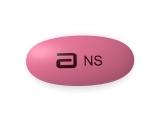
Generic Depakote ( Divalproex )

Depakote
| Active ingredient | Valproic acid (as sodium valproate) |
|---|---|
| Mechanism of action | Inhibits GABA transaminase, raising brain GABA levels; also blocks voltage-gated Na+ channels |
| Common dose | Typical starting dose 250 mg daily, titrated up to 1500 mg daily in divided doses |
| What is it used for? | Partial and generalized seizures, absence epilepsy, status epilepticus; maintenance therapy in bipolar disorder; migraine prophylaxis |
| Important information on taking | Take with food to reduce gastrointestinal upset; regular liver function monitoring required; avoid abrupt discontinuation |
| Common side effects | Nausea, abdominal pain, weight gain, tremor, hair loss, headache |
| Serious risks | Hepatotoxicity, pancreatitis, severe birth defects when used during pregnancy, Stevens-Johnson syndrome |
| Interactions | Increases levels of carbamazepine, phenytoin, phenobarbital; may potentiate warfarin; reduces efficacy of hormonal contraceptives |
| Contraindications | Known hypersensitivity to valproic acid, significant liver disease, urea cycle disorders, mitochondrial encephalomyopathy (MELAS) |
| Legal status | Prescription-only medication (non-controlled) in most jurisdictions |
Exploring the basics of Depakote
Definition and mechanism of action of Depakote
Depakote is the brand name for a medication that contains the active ingredient valproic acid. It is classified as an anticonvulsant and mood stabilizer used primarily to treat certain seizure disorders and to manage episodes of mania in bipolar disorder. The drug works by increasing the levels of the neurotransmitter gamma-aminobutyric acid in the brain, which helps to reduce neuronal excitability. By modulating gaba activity Depakote slows down abnormal electrical activity that can trigger seizures and mood swings. This action leads to a calming effect on the central nervous system, which underlies its therapeutic benefit in controlling seizures and stabilizing mood. Clinically the medication is prescribed to prevent recurrent seizures and to maintain a balanced emotional state in patients with bipolar disorder. Overall Depakote's definition as an anticonvulsant mood stabilizer stems from its ability to enhance inhibitory neurotransmission and dampen excitatory pathways in the brain.
Pharmacological properties of Depakote
Depakote is an anticonvulsant medication that is primarily used to treat certain types of seizures and epilepsy. It is also prescribed to manage bipolar disorder and to prevent migraine headaches. The active ingredient valproic acid works by increasing the levels of gamma aminobutyric acid in the brain. Higher gamma aminobutyric acid activity enhances inhibitory signals that reduce neuronal excitability. This effect stabilizes electrical activity in neural networks and helps prevent abnormal firing patterns. In addition to its impact on gamma aminobutyric acid valproic acid modulates other neurotransmitter systems involved in mood regulation. These combined actions support its therapeutic role in controlling seizures and mood episodes.
Depakote: typical uses
| Absence seizures | 20-30 mg/kg/day PO divided BID; chronic management (often 3-6 months or longer) |
|---|---|
| Partial onset seizures | 20-30 mg/kg/day PO divided BID or TID; usually lifelong therapy |
| Bipolar disorder (mania) | 500 mg PO twice daily initially; may increase up to 1500 mg/day, maintenance as prescribed |
Side effects of Depakote
The most common side effects
Common side effects often include drowsiness nervousness and mild gastrointestinal discomfort. Headache and fatigue are frequently reported across many treatment groups. Some individuals experience dry mouth or mild skin irritation. Changes in appetite or weight can occur in a minority of users. Dizziness may appear especially when standing up quickly. Nausea or mild stomach upset is another observed effect. Occasional mild allergic skin rash or itching has been documented. Most of these reactions are transient and resolve without intervention.
Essential considerations before taking Depakote
Many people who take common medications may experience mild stomach discomfort. Headaches are also frequently reported during the first few days of treatment. Some users notice a temporary increase in drowsiness after starting therapy. A slight change in taste perception is often observed alongside the primary effect. Occasional mild skin rash can appear, especially in the first month. These reactions usually subside as the body adjusts to the medication.
Frequently observed responses to Depakote
- Nausea
- Vomiting
- Abdominal pain
- Weight gain
- Hair loss
Depakote (valproic acid sodium) is a broad-spectrum anticonvulsant that is commonly prescribed for seizure disorders, bipolar mania and, in some cases, migraine prophylaxis. Because it can affect the liver, pancreas and, in pregnant women, fetal development, regular laboratory monitoring and close medical supervision are essential. Patients should take the medication exactly as directed, usually with food to reduce stomach upset, and never abruptly discontinue it without consulting a clinician. It is important to inform doctors about all other medications, supplements or alcohol use, as interactions can increase side-effects or toxicity. Common adverse effects such as tremor, weight gain, hair loss or gastrointestinal disturbances should be reported promptly, especially if they become severe or persistent. Women of childbearing age must discuss contraception and pregnancy plans with their physician, given the risk of neural-tube defects. Finally, maintaining a consistent dosing schedule and keeping follow-up appointments will help maximize therapeutic benefit while minimizing potential risks.
 Nicole Wai-Ga Lau, M.D.
: ABEM Certified, Emergency Medicine
Nicole Wai-Ga Lau, M.D.
: ABEM Certified, Emergency Medicine

 John C. Fox, M.D.
: ABEM Certified, Emergency Medicine
John C. Fox, M.D.
: ABEM Certified, Emergency Medicine

 Ryan J. Reece, MD, NRP, FACEP
: ABEM Certified, Addiction, Board Certification, DEA, Emergency Medical Services, Emergency Medicine, MyEMCert, opioids, Substance Use Disorder
Ryan J. Reece, MD, NRP, FACEP
: ABEM Certified, Addiction, Board Certification, DEA, Emergency Medical Services, Emergency Medicine, MyEMCert, opioids, Substance Use Disorder
 Royale Nichols, M.D.
: ABEM Certified, Emergency Medicine
Royale Nichols, M.D.
: ABEM Certified, Emergency Medicine
 Jose C. Maria-Rios, M.D.
: ABEM, ABEM Certified, Critical Care, Emergency Medicine, Internal Medicine
Jose C. Maria-Rios, M.D.
: ABEM, ABEM Certified, Critical Care, Emergency Medicine, Internal Medicine
 Mark Alexander Sloan, M.D.
: ABEM Certified, Emergency Medicine
Mark Alexander Sloan, M.D.
: ABEM Certified, Emergency Medicine
 Ronny
: ABEM Certified, Emergency Medicine
Ronny
: ABEM Certified, Emergency Medicine


| Shipping method | Delivery time | Price | |
| Airmail service Delivery | 14-21 days | 14.95$ | Tracking# available in 4 days |
| Trackable service Delivery | 9-14 days | 30$ | Tracking# available in 2 days |
- Shipping worldwide
- Confidentiality and anonymity guarantee
- Safe and secure
- Discrete looking packages
- Dispatch orders within 24 hours
- 100% success delivery