


- Bestsellers
- Alcoholism
- Allergy
- Alzheimers
- Anti Fungal
- Anti Viral
- Anti-Depressants
- Anti-Inflammatory
- Antibacterial
- Antibiotics
- Antiparasitic
- Arthritis
- Asthma
- Birth Control
- Blood Pressure
- COVID-19
- Cancer
- Cardiovascular
- Cholesterol
- Diabetes
- Diuretics
- Erectile Dysfunction
- Eye Drop
- Gastro Health
- General Health
- HIV
- Hair Loss
- Hepatitis C Virus (HCV)
- Herbals
- Hormones
- Men's ED Packs
- Men's Health
- Mental Illness
- Motion Sickness
- Muscle Relaxant
- Pain Relief
- Parkinson’s Disease
- Quit Smoking
- Skin Care
- Sleeping Aids
- Veterinary Medicines
- Vitamins
- Weight Loss
- Women's Health
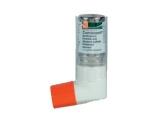
Generic Combivent ( Levosalbutamol / Ipratropium bromide )

Combivent
| Active ingredient | ipratropium bromide and albuterol sulfate |
|---|---|
| Mechanism of action | Anticholinergic (ipratropium) and b2-agonist (albuterol) bronchodilators that relax airway smooth muscle and improve airflow |
| Common dose | Typically 2 inhalations four times daily (or 1-2 puffs every 4-6 hours as needed) |
| What is it used for? | Long-term maintenance treatment of airflow obstruction in chronic obstructive pulmonary disease (COPD), including chronic bronchitis and emphysema |
| Important information on taking | Shake inhaler before each use, breathe out fully before inhalation, close eyes to avoid spraying into them, do not exceed prescribed frequency |
| Common side effects | Throat irritation, cough, dry mouth, tremor, nervousness, headache |
| Serious risks | Paradoxical bronchospasm, tachycardia, arrhythmias, severe allergic reactions, worsening of asthma |
| Interactions | Concurrent use with other sympathomimetic agents may increase cardiovascular effects; caution with anticholinergic drugs and MAO inhibitors |
| Contraindications | Hypersensitivity to ipratropium, albuterol, or any component of the formulation |
| Legal status | Prescription-only medication |
A closer look at Combivent and how it works
Understanding the definition and mechanism of action of Combivent
Combivent is a combination inhaler that contains ipratropium bromide and albuterol sulfate. It is prescribed to improve bronchodilation in patients with chronic obstructive pulmonary disease. Ipratropium bromide is a competitive antagonist of muscarinic acetylcholine receptors resulting in relaxation of airway smooth muscle. Albuterol sulfate is a short acting beta2 agonist that stimulates beta2 receptors causing bronchiolar smooth muscle relaxation. Together they produce additive bronchodilation by reducing bronchospasm through complementary receptor mediated pathways. This dual mechanism enhances airway patency and eases breathing during exacerbations of copd.
Understanding the pharmacological properties of Combivent
Combivent is a combination inhaler that contains albuterol and ipratropium bromide. Albuterol works by stimulating beta2 receptors on airway smooth muscle to promote relaxation. Ipratropium functions as an anticholinergic agent that blocks muscarinic receptors to reduce bronchoconstriction. Together they produce a synergistic bronchodilating effect that improves airflow in patients with chronic obstructive pulmonary disease. The rapid onset of albuterol provides quick relief while ipratropium maintains longer bronchodilation. The drug is administered by inhalation, allowing the medication to act directly on the respiratory tract. This mechanism delivers targeted therapeutic action with minimal systemic exposure.
Combivent: typical uses
| Chronic Obstructive Pulmonary Disease (COPD) | Typical dose: 1 inhalation every 4 hours as needed (maximum 4 inhalations per day); Frequency: up to 4 times daily; Duration: long-term, as prescribed. |
|---|---|
| Asthma (maintenance therapy) | Typical dose: 1 inhalation every 4-6 hours as needed; Frequency: up to 4 times daily; Duration: chronic, as directed. |
| Exercise-induced bronchospasm | Typical dose: 1 inhalation 15 minutes before exercise; Frequency: 1 dose before activity; Duration: short-term, as needed for exercise. |
The most common side effects
Side effects of Combivent you should know about
Combivent may cause dry mouth, throat irritation, or a metallic taste after inhalation. Some users experience dizziness, headache, or mild tremor due to the combined bronchodilator effect. Cardiac side effects such as rapid heartbeat or palpitations can occur, especially in individuals with pre-existing heart conditions. Nervous system reactions may include anxiety, restlessness, or difficulty sleeping as a response to the medication. Allergic reactions like rash or swelling of the lips and tongue are possible but less common. In rare cases, paradoxical bronchospasm can worsen breathing instead of improving it. These effects are generally mild and reversible, but monitoring for unusual symptoms is advisable.
Things you should be aware of before using Combivent
Dry mouth may occur frequently while using Combivent. Some users experience irritation of the throat or a persistent cough. Tremors or shaking of the hands have been reported in certain cases. An increased heart rate can be felt shortly after inhalation. Headaches are another possible side effect to be aware of. Blurred vision or eye discomfort may develop temporarily. Dizziness or light-headedness can also accompany these effects.
Typical reactions to Combivent
- Tremors
- Headache
- Dry mouth
- Nasal dryness
- Palpitations
Combivent can be an effective part of a comprehensive copd management plan, helping to relax airway muscles and improve breathing when used correctly. It works best when combined with other prescribed therapies, such as long-acting bronchodilators or inhaled corticosteroids, and should be integrated into a broader treatment strategy. Patients should always follow the dosing instructions provided by their healthcare professional and avoid exceeding the recommended frequency. It is important to store the inhaler at room temperature, keep the mouthpiece clean, and replace it once the dose indicator reaches zero. Before starting Combivent, discuss any existing medical conditions, current medications, and potential drug interactions with a doctor or pharmacist. Monitor for common side effects such as dry mouth, sore throat, or cough, and seek medical attention if you experience chest pain, rapid heartbeat, or signs of an allergic reaction. Finally, maintain regular follow-up appointments to assess lung function and adjust therapy as needed, ensuring the medication continues to provide optimal benefit.
 Thomas Peterson, D.O.
: ABEM Certified, Emergency Medicine
Thomas Peterson, D.O.
: ABEM Certified, Emergency Medicine
 Thomas Peterson, D.O.
: ABEM Certified, Emergency Medicine
Thomas Peterson, D.O.
: ABEM Certified, Emergency Medicine

 Christopher Andrew McCuller, M.D.
: ABEM Certified, Emergency Medicine
Christopher Andrew McCuller, M.D.
: ABEM Certified, Emergency Medicine
 Lynn C. Dezelon, M.D.
: ABEM Certified, Emergency Medicine
Lynn C. Dezelon, M.D.
: ABEM Certified, Emergency Medicine
 Matthew Adam Von Zimmerman, D.O.
: ABEM Certified, Emergency Medicine
Matthew Adam Von Zimmerman, D.O.
: ABEM Certified, Emergency Medicine
 Glenn Alan Birnbaum, M.D.
: ABEM Certified, Emergency Medicine
Glenn Alan Birnbaum, M.D.
: ABEM Certified, Emergency Medicine
 Kevin Thomas O'Mara, M.D.
: ABEM Certified, Emergency Medicine
Kevin Thomas O'Mara, M.D.
: ABEM Certified, Emergency Medicine
 Ira Gordon Early, M.D.
: Certification, Medical Toxicology
Ira Gordon Early, M.D.
: Certification, Medical Toxicology


| Shipping method | Delivery time | Price | |
| Airmail service Delivery | 14-21 days | 14.95$ | Tracking# available in 4 days |
| Trackable service Delivery | 9-14 days | 30$ | Tracking# available in 2 days |
- Shipping worldwide
- Confidentiality and anonymity guarantee
- Safe and secure
- Discrete looking packages
- Dispatch orders within 24 hours
- 100% success delivery