


- Bestsellers
- Alcoholism
- Allergy
- Alzheimers
- Anti Fungal
- Anti Viral
- Anti-Depressants
- Anti-Inflammatory
- Antibacterial
- Antibiotics
- Antiparasitic
- Arthritis
- Asthma
- Birth Control
- Blood Pressure
- COVID-19
- Cancer
- Cardiovascular
- Cholesterol
- Diabetes
- Diuretics
- Erectile Dysfunction
- Eye Drop
- Gastro Health
- General Health
- HIV
- Hair Loss
- Hepatitis C Virus (HCV)
- Herbals
- Hormones
- Men's ED Packs
- Men's Health
- Mental Illness
- Motion Sickness
- Muscle Relaxant
- Pain Relief
- Parkinson’s Disease
- Quit Smoking
- Skin Care
- Sleeping Aids
- Veterinary Medicines
- Vitamins
- Weight Loss
- Women's Health
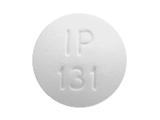
Generic Colchicine ( Colchicum autumnale )

Colchicine
| Active ingredient | Colchicine |
|---|---|
| Mechanism of action | Inhibits microtubule polymerization; anti-inflammatory and anti-mitotic |
| Common dose | 0.6 mg loading dose orally, then 0.5 mg maintenance |
| What is it used for? | Acute gout attacks and prophylaxis of familial Mediterranean fever |
| Important information on taking | Take with food; avoid in severe renal or hepatic impairment; monitor blood counts |
| Common side effects | GI upset, diarrhea, nausea |
| Serious risks | Bone-marrow suppression, rhabdomyolysis, severe neutropenia |
| Interactions | Concurrent nephrotoxic agents, CYP3A4 inhibitors, cyclosporine, certain antibiotics |
| Contraindications | Severe renal/hepatic disease, pregnancy (categoryC), breastfeeding |
| Legal status | Prescription-only in most jurisdictions; controlled substance in some countries |
An overview of Colchicine
Definition and mechanism of action of Colchicine
Colchicine is a naturally derived alkaloid used primarily to treat acute gout attacks. It works by inhibiting microtubule polymerization which interferes with neutrophil recruitment to inflamed joints. The drug binds to tubulin leading to a reversible disruption of cytoskeletal dynamics in migrating white blood cells. This action reduces the inflammatory response that causes pain swelling and redness in gouty arthritis. Because of its specific effect on microtubule-dependent processes Colchicine does not suppress the underlying uric acid production or crystal formation. Clinicians administer it orally in low doses to achieve symptom relief without altering long-term disease progression.
Pharmacological characteristics of Colchicine
Colchicine is a natural alkaloid medication that treats gout and familial mediterranean fever. The drug works by inhibiting the formation of microtubules inside white blood cells. This prevents the cells from moving and releasing inflammatory chemicals that cause swelling and pain. As a result the immune response that damages joints and tissues is reduced. Colchicine also interrupts the signaling pathways that activate inflammatory genes. The overall effect is a quick decrease in attack severity and frequency for affected patients. Its mechanism relies on modulating cellular transport processes rather than directly killing bacteria or viruses.
Colchicine: typical uses
| Gout | 0.6 mg (one tablet) once daily, usually for the duration of an acute attack (short-term) |
|---|---|
| Familial Mediterranean Fever | 500 ug twice daily, long-term preventive therapy |
| Behcet's disease | 1 mg daily, maintenance treatment (often continued indefinitely) |
Side effects of Colchicine
Side effects of Colchicine you should know about
Colchicine is commonly used to treat gout and certain inflammatory conditions. It works by reducing inflammation and inhibiting cell migration. Gastrointestinal symptoms such as nausea, vomiting, and diarrhea are among the most frequent side effects. Some people may experience abdominal pain or cramping during treatment. Rarely, Colchicine can cause muscle weakness or tingling sensations. In high doses it may lead to low blood counts or liver enzyme elevations. Changes in taste or a metallic feeling on the tongue have also been reported. These effects are usually dose dependent and tend to improve with gradual dose adjustments.
What should I note before taking Colchicine?
Colchicine may cause nausea and diarrhea in some patients. Abdominal discomfort can occur after ingestion. It may lead to bone marrow suppression resulting in reduced blood cell counts. It can also cause liver enzyme elevations which may indicate liver stress. Peripheral neuropathy with tingling or numbness has been reported. Muscle pain or weakness may develop with prolonged use.
Common effects experienced with Colchicine
- Nausea and vomiting
- Diarrhea
- Abdominal pain
- Bone marrow suppression
- Neuropathy
- Muscle weakness
Colchicine remains a valuable therapeutic option for acute gout attacks and for preventing recurrent episodes when used judiciously. Its efficacy stems from the inhibition of neutrophil migration and microtubule function, which rapidly reduces inflammation. However, its narrow therapeutic index demands careful dosing and monitoring to avoid gastrointestinal upset or systemic toxicity. Patients should start with a low loading dose followed by a maintenance dose, strictly adhering to the prescribed schedule and not exceeding recommended limits. It is essential to inform clinicians about concurrent medications, especially those that affect the liver or kidneys, as they can alter Colchicine clearance. Individuals with renal impairment, hepatic disease, or a history of blood disorders should be particularly cautious and may require dose adjustments. Finally, because Colchicine can interact with several common drugs, regular follow-up with a healthcare professional is advisable to ensure safe and effective use.
 William Weir
: ABEM Certified, Board Certification, Emergency Medical Services, Emergency Medicine
William Weir
: ABEM Certified, Board Certification, Emergency Medical Services, Emergency Medicine

 Patrick B. Broderick, M.D.
: ABEM Certified, Emergency Medicine
Patrick B. Broderick, M.D.
: ABEM Certified, Emergency Medicine
 Jonathan Slutzman, M.D.
: ABEM Certified, Emergency Medicine
Jonathan Slutzman, M.D.
: ABEM Certified, Emergency Medicine
 Kenneth MacLeod Rice, M.D.
: ABEM Certified, Addiction, DEA, Emergency Medicine, MyEMCert, opioids, Substance Use Disorder
Kenneth MacLeod Rice, M.D.
: ABEM Certified, Addiction, DEA, Emergency Medicine, MyEMCert, opioids, Substance Use Disorder

 Zia Ur Rehman, D.O.
: ABEM Certified, Emergency Medicine
Zia Ur Rehman, D.O.
: ABEM Certified, Emergency Medicine


| Shipping method | Delivery time | Price | |
| Airmail service Delivery | 14-21 days | 14.95$ | Tracking# available in 4 days |
| Trackable service Delivery | 9-14 days | 30$ | Tracking# available in 2 days |
- Shipping worldwide
- Confidentiality and anonymity guarantee
- Safe and secure
- Discrete looking packages
- Dispatch orders within 24 hours
- 100% success delivery