


- Bestsellers
- Alcoholism
- Allergy
- Alzheimers
- Anti Fungal
- Anti Viral
- Anti-Depressants
- Anti-Inflammatory
- Antibacterial
- Antibiotics
- Antiparasitic
- Arthritis
- Asthma
- Birth Control
- Blood Pressure
- COVID-19
- Cancer
- Cardiovascular
- Cholesterol
- Diabetes
- Diuretics
- Erectile Dysfunction
- Eye Drop
- Gastro Health
- General Health
- HIV
- Hair Loss
- Hepatitis C Virus (HCV)
- Herbals
- Hormones
- Men's ED Packs
- Men's Health
- Mental Illness
- Motion Sickness
- Muscle Relaxant
- Pain Relief
- Parkinson’s Disease
- Quit Smoking
- Skin Care
- Sleeping Aids
- Veterinary Medicines
- Vitamins
- Weight Loss
- Women's Health
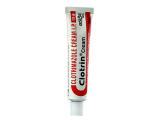
Generic Clotrimazole

Clotrimazole
| Active ingredient | Clotrimazole (1 % cream) |
|---|---|
| Mechanism of action | Inhibits fungal ergosterol synthesis by blocking lanosterol 14a-demethylase |
| Common dose | Topical 1 % cream applied 2-3 times daily for 2-4 weeks |
| What is it used for? | Treatment of superficial fungal infections such as athlete's foot, jock itch, yeast infections, and ringworm |
| Important information on taking | Apply to clean, dry skin; wash hands after use; complete the full course even if symptoms improve; avoid eye contact |
| Common side effects | Local irritation, burning, itching, or redness at the application site |
| Serious risks | Rare allergic reactions (hives, swelling, difficulty breathing); severe skin rash |
| Interactions | May increase irritation if used with other topical medications; avoid simultaneous application of unrelated creams without medical advice |
| Contraindications | Hypersensitivity to clotrimazole or any formulation excipients; not for oral ingestion |
| Legal status | Over-the-counter in many jurisdictions; not a controlled substance |
What you should know about Clotrimazole
Understanding the definition and mechanism of action of Clotrimazole
Clotrimazole is an imidazole antifungal agent commonly used to treat superficial fungal infections. It functions by inhibiting the fungal cytochrome p450 enzyme lanosterol 14a-demethylase, which is essential for ergosterol biosynthesis. The resulting depletion of ergosterol compromises the fungal cell membrane integrity and disrupts vital membrane functions. This membrane disruption leads to increased permeability and impaired fungal growth, ultimately causing cell death. Clotrimazole is applied topically to the skin or mucous membranes where it penetrates the site of infection. Upon absorption it binds to fungal proteins and interferes with mitochondrial respiration, further limiting cellular metabolism. The drug's lipophilic nature allows it to remain in the stratum corneum and epidermis, prolonging its antifungal effect. Through these mechanisms it provides targeted therapy for conditions such as athlete's foot, jock itch, and candidiasis without systemic exposure.
Key pharmacological features and clinical properties of Clotrimazole
Clotrimazole is an imidazole antifungal agent used for topical and vaginal applications. Its therapeutic role involves inhibiting ergosterol synthesis in fungal cell membranes. Pharmacodynamically it binds to the fungal lanosterol 14a-demethylase enzyme disrupting membrane integrity. The interaction leads to accumulation of toxic intermediates causing fungal cell death. Clotrimazole demonstrates activity against dermatophytes candida and malassezia species. Clinical use targets superficial skin infections and vaginal candidiasis with minimal systemic absorption.
When Clotrimazole is indicated
| Athlete's foot | 1 % cream, applied twice daily for 2-4 weeks |
|---|---|
| Jock itch | 1 % cream, applied twice daily for 2-4 weeks |
| Vaginal yeast infection | 1 % suppository, applied once daily for 3-7 days |
The most common side effects
Common side effects of Clotrimazole
Clotrimazole is an antifungal medication used to treat skin infections. It works by inhibiting the growth of fungi on the skin surface. When applied topically, it may cause mild irritation at the site of application. Some users experience a sensation of burning or stinging during use. Redness or itching can occur as part of the skin's reaction to the drug. Dryness or peeling of the treated area is a reported side effect. In rare cases, contact dermatitis may develop if sensitivity increases. Most of these effects are temporary and resolve after discontinuation.
Key factors to keep in mind before using
Clotrimazole may cause mild skin irritation such as redness or itching. Some users report a burning sensation at the application site. Dry or flaky skin can occur after repeated use. Occasional swelling or rash may develop in sensitive individuals. Rarely, localized blistering has been observed. The medication can seldom lead to allergic reactions with hives. Most side effects are mild and resolve on discontinuation of the drug.
Typical reactions to Clotrimazole
- Local irritation (burning, stinging, or tingling at the application site)
- Itching or mild itching
- Redness or rash
- Dry or flaky skin
- Slight pain or discomfort
- Peeling skin
Clotrimazole offers a reliable, over-the-counter option for tackling common fungal infections such as athlete's foot, jock itch, and yeast-related skin irritations. Its broad-spectrum action works by disrupting the cell membrane of the fungus, ultimately halting growth and relieving discomfort. To get the most benefit, apply a thin layer to the affected area - and a small margin of surrounding skin - twice daily, continuing for at least two weeks even if symptoms improve sooner. Keep the treated zone clean and dry; moisture-wicking socks or breathable fabrics can help prevent reinfection. Avoid using the cream on broken mucous membranes or inside the nose, mouth, or eyes unless a healthcare professional advises otherwise. If you notice persistent redness, swelling, or an allergic reaction, discontinue use and seek medical advice promptly. Finally, remember that Clotrimazole treats the current infection but does not guarantee resistance - practicing good hygiene and promptly addressing any new symptoms will keep future outbreaks at bay.
 Robert Boyd Tober, M.D.
: ABEM Certified, Emergency Medicine
Robert Boyd Tober, M.D.
: ABEM Certified, Emergency Medicine


 Ryan J. Reece, MD, NRP, FACEP
: ABEM Certified, Addiction, Board Certification, DEA, Emergency Medical Services, Emergency Medicine, MyEMCert, opioids, Substance Use Disorder
Ryan J. Reece, MD, NRP, FACEP
: ABEM Certified, Addiction, Board Certification, DEA, Emergency Medical Services, Emergency Medicine, MyEMCert, opioids, Substance Use Disorder
 Ira Gordon Early, M.D.
: Certification, Medical Toxicology
Ira Gordon Early, M.D.
: Certification, Medical Toxicology
 Gregory Wallingford, M.D.
: ABEM Certified, Certification, Emergency Medicine, Hospice, Palliative Care
Gregory Wallingford, M.D.
: ABEM Certified, Certification, Emergency Medicine, Hospice, Palliative Care
 Kevin Thomas O'Mara, M.D.
: ABEM Certified, Emergency Medicine
Kevin Thomas O'Mara, M.D.
: ABEM Certified, Emergency Medicine
 Matthew Robert Lohse, M.D.
: ABEM Certified, Advanced Emergency Medicine Ultrasonography, Emergency Medicine, Focused Practice Designation, Ultrasonography, Ultrasound
Matthew Robert Lohse, M.D.
: ABEM Certified, Advanced Emergency Medicine Ultrasonography, Emergency Medicine, Focused Practice Designation, Ultrasonography, Ultrasound
 Antony Awad, D.O., M.S.
: ABEM Certified, Emergency Medicine
Antony Awad, D.O., M.S.
: ABEM Certified, Emergency Medicine
 Maia Dorsett, M.D., Ph.D.
: ABEM Certified, Board Certification, Emergency Medical Services, Emergency Medicine
Maia Dorsett, M.D., Ph.D.
: ABEM Certified, Board Certification, Emergency Medical Services, Emergency Medicine


| Shipping method | Delivery time | Price | |
| Airmail service Delivery | 14-21 days | 14.95$ | Tracking# available in 4 days |
| Trackable service Delivery | 9-14 days | 30$ | Tracking# available in 2 days |
- Shipping worldwide
- Confidentiality and anonymity guarantee
- Safe and secure
- Discrete looking packages
- Dispatch orders within 24 hours
- 100% success delivery