


- Bestsellers
- Alcoholism
- Allergy
- Alzheimers
- Anti Fungal
- Anti Viral
- Anti-Depressants
- Anti-Inflammatory
- Antibacterial
- Antibiotics
- Antiparasitic
- Arthritis
- Asthma
- Birth Control
- Blood Pressure
- COVID-19
- Cancer
- Cardiovascular
- Cholesterol
- Diabetes
- Diuretics
- Erectile Dysfunction
- Eye Drop
- Gastro Health
- General Health
- HIV
- Hair Loss
- Hepatitis C Virus (HCV)
- Herbals
- Hormones
- Men's ED Packs
- Men's Health
- Mental Illness
- Motion Sickness
- Muscle Relaxant
- Pain Relief
- Parkinson’s Disease
- Quit Smoking
- Skin Care
- Sleeping Aids
- Veterinary Medicines
- Vitamins
- Weight Loss
- Women's Health
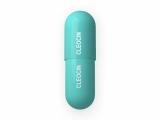
Generic Cleocin ( Clindamycin )


Cleocin
| Active ingredient | Clindamycin |
|---|---|
| Mechanism of action | Inhibits bacterial protein synthesis by binding to the 50S ribosomal subunit |
| Common dose | 150-300 mg orally every 6 hours (or 300-450 mg every 8 hours) |
| What is it used for? | Serious bacterial infections (e.g., skin, respiratory, bone, abdominal) |
| Important information on taking | Take with full glass of water; avoid lying down for 30 minutes; complete full course |
| Common side effects | Nausea, vomiting, diarrhea, abdominal pain, rash |
| Serious risks | C. difficile colitis, Stevens-Johnson syndrome, liver damage |
| Interactions | Warfarin (increased bleeding risk), oral contraceptives (reduced efficacy) |
| Contraindications | Inflammatory bowel disease, hypersensitivity to clindamycin/lincomycin |
| Legal status | Prescription-only medication |
Understanding Cleocin and its purpose
Definition, therapeutic role, and mechanism of action of Cleocin
Cleocin is the brand name for the antibiotic clindamycin used to treat bacterial infections. It is classified as a lincosamide antibiotic that inhibits bacterial protein synthesis. The drug works by binding to the 50s ribosomal subunit of susceptible bacteria preventing peptide bond formation. This inhibition halts the growth and replication of the microorganisms, leading to their eventual death. Clinically, Cleocin is employed to manage infections of the skin, soft tissue, abdomen, and certain anaerobic infections. By targeting essential bacterial cellular processes, the active ingredient reduces the pathogenic load and supports the body's natural clearance mechanisms.
Key pharmacological features and clinical properties of Cleocin
Cleocin is a brand name for the antibiotic clindamycin that belongs to the lincosamide class. Its therapeutic role is the treatment of serious bacterial infections including those caused by anaerobic organisms and susceptible gram-positive bacteria. Clinically it is prescribed for conditions such as intra-abdominal infections skin infections and osteomyelitis. The drug works by binding to the 50s ribosomal subunit of bacteria and inhibiting protein synthesis. This interaction prevents the formation of peptide bonds and halts bacterial growth. As a result the medication reduces the spread of infection and supports clearance of the pathogen. Its activity is considered bacteriostatic against many organisms but can become bactericidal at higher concentrations.
Conditions treated with Cleocin
| Bacterial vaginosis | Clindamycin 300 mg orally every 6 hours (4 times daily) for 7 days |
|---|---|
| Anaerobic bacterial infections | Clindamycin 600 mg IV every 8 hours (3 times daily) for 10 days |
| Pelvic inflammatory disease | Clindamycin 600 mg IV every 6 hours (4 times daily) plus ceftazidime, total therapy 14 days |
Side effects of Cleocin you should know about
Common reactions Cleocin can cause
Cleocin may cause mild gastrointestinal discomfort such as nausea or diarrhea. Skin rashes or itching can occur in some individuals. Headaches and dizziness are reported less frequently. Some patients experience a metallic taste sensation while taking the medication. Occasional vaginal irritation or discharge may be noted especially in women. Rarely liver enzyme elevations can be detected through laboratory testing. Overall most reactions are mild and resolve without intervention.
Essential considerations before taking Cleocin
Diarrhea may occur as a result of antibiotic use. Nausea and vomiting are frequently reported side effects. Skin reactions such as rash or itching can develop. Abdominal pain is sometimes experienced by patients. Headache may appear during treatment. Dizziness or lightheadedness can occasionally be observed. Changes in taste perception have been noted in some individuals.
Common effects experienced with Cleocin
- Nausea
- Vomiting
- Diarrhea
- Rash
- Allergic reactions
Cleocin (clindamycin) can be an effective tool against bacterial infections, but its power comes with responsibility. Finish the entire prescribed course, even if symptoms improve, to prevent resistance and recurrence. Watch for signs of diarrhea, abdominal pain, or rash, and contact a healthcare professional promptly if they appear, as these could indicate a serious reaction. Be sure to inform your doctor of any other medications or supplements you're taking, because drug interactions can alter effectiveness or safety. Avoid using Cleocin for viral illnesses such as colds or flu, as it will not help and may increase the risk of side-effects. If you have a history of intestinal diseases, liver problems, or a known allergy to lincomycin, discuss these conditions with your physician before starting treatment. Finally, keep follow-up appointments to monitor how well the infection is responding and to address any emerging concerns.
 William Weir
: ABEM Certified, Board Certification, Emergency Medical Services, Emergency Medicine
William Weir
: ABEM Certified, Board Certification, Emergency Medical Services, Emergency Medicine

 Barbara Van De Water
: ABEM Certified, Emergency Medicine
Barbara Van De Water
: ABEM Certified, Emergency Medicine
 Ashley Grant, D.O.
: ABEM Certified, Advanced Emergency Medicine Ultrasonography, Emergency Medicine, Focused Practice Designation, Ultrasonography, Ultrasound
Ashley Grant, D.O.
: ABEM Certified, Advanced Emergency Medicine Ultrasonography, Emergency Medicine, Focused Practice Designation, Ultrasonography, Ultrasound

 Tahisha Nicole Tolbert, M.D.
: ABEM Certified, Emergency Medicine
Tahisha Nicole Tolbert, M.D.
: ABEM Certified, Emergency Medicine
 John Dayton
: ABEM Certified, Emergency Medicine
John Dayton
: ABEM Certified, Emergency Medicine


| Shipping method | Delivery time | Price | |
| Airmail service Delivery | 14-21 days | 14.95$ | Tracking# available in 4 days |
| Trackable service Delivery | 9-14 days | 30$ | Tracking# available in 2 days |
- Shipping worldwide
- Confidentiality and anonymity guarantee
- Safe and secure
- Discrete looking packages
- Dispatch orders within 24 hours
- 100% success delivery